
Picking between a bus or a plane for your family trip isn’t just about reaching your destination—it’s about what actually works for your kids, your wallet, and, honestly, your sanity. Buses usually win when it comes to cost and flexibility, while planes are unbeatable for saving time on longer hauls. Knowing what each option offers makes it easier to decide before you hit “book.”
Bus trips put you in the driver’s seat, so to speak. You can pack what you want, stop when your kids need a break, and skip the stress of security lines and boarding chaos. Flying gets you there quicker, but you’re dealing with strict schedules, surprise fees, and airports that seem like they were designed by people who’ve never met a toddler. The best choice? It really depends on where you’re going, how old your kids are, and what kind of experience you want.
Key Takeaways
- Buses are cheaper and more flexible; planes save you time on long journeys
- Little kids often do better on buses thanks to more space and fewer rules
- Your decision should balance price, time, and what keeps your family comfortable
Key Differences Between Bus and Air Travel for Families

Traveling with kids by bus or plane feels totally different. Travel time, how you board, how close you get to your real destination, and even the environmental impact all play a part in what’s best for your family.
Travel Time and Scheduling Factors
Planes get you to far-off cities faster, but there’s more to it. You’ve got to show up at the airport at least 90 minutes early for domestic flights. Then there’s security, boarding, and waiting for your bags—suddenly, a “one-hour” flight eats up four hours of your day.
Buses take longer on the road, but you avoid most of the waiting. You can roll up 15-20 minutes before departure, hop on, and go. For trips under 300 miles, a bus might actually get you there in about the same total time once you add up all the airport hassle.
Buses run more often, too. Miss one and there’s probably another soon. Miss your flight, and you might be stuck until tomorrow—or paying a fortune for a new ticket.
Flight delays are a headache. Weather, mechanical snafus, air traffic—they can mess up your whole day. Buses get delayed by traffic or weather, but they don’t just sit for hours like planes sometimes do.
Ease of Boarding and Check-In
Getting on a bus with kids is refreshingly simple. Show your ticket, toss your bags underneath, find your seats. No metal detectors. No wrestling with shoes. No tossing out your kid’s water bottle.
Airport security? That’s a circus. You’re juggling car seats, strollers, diaper bags, and trying to coax your toddler through the scanner without a meltdown. Some airports have family lanes, but you’re still up against all the rules about liquids, snacks, and what you can carry on.
Buses let you bring snacks, drinks, and pretty much any comfort item your kids want. If you’ve got picky eaters or a child who needs a specific food, that’s a huge relief.
| Boarding Factor | Bus Travel | Air Travel |
|---|---|---|
| Arrival time needed | 15-20 minutes | 90+ minutes |
| Security screening | None | Extensive |
| Food/drink restrictions | Minimal | Strict |
| Stroller/car seat handling | Simple storage | Gate check required |
Door-to-Door Convenience
Bus stations usually sit right in the city center or along main roads. You can often catch a bus close to home and get dropped off near your destination. No pricey airport parking or long drives out to the middle of nowhere.
Flying means extra transportation on both ends—either paying for parking, rideshares, or begging a friend for a lift.
With kids in tow, every extra transition is another chance for chaos. The fewer times you have to move car seats, wrangle luggage, and herd everyone between vehicles, the smoother your trip will go.
Need to make a pit stop or grab food before you leave? Bus stations make that easy. Airports, not so much.
Environmental Impact
Buses put out way less carbon emissions per passenger than planes do. One bus can carry 50+ people using about as much fuel as a few cars. Planes? They pump out nearly 10 times more CO2 per passenger mile compared to buses.
If cutting your family’s carbon footprint matters to you, the bus is a solid choice. And honestly, it’s a good lesson for kids—what we choose matters, even in travel.
The difference is huge on short trips. Flying from Boston to Philly creates about 200-300 pounds of CO2 per person, while the bus is closer to 20-30 pounds each.
Comparing Comfort and Onboard Experience
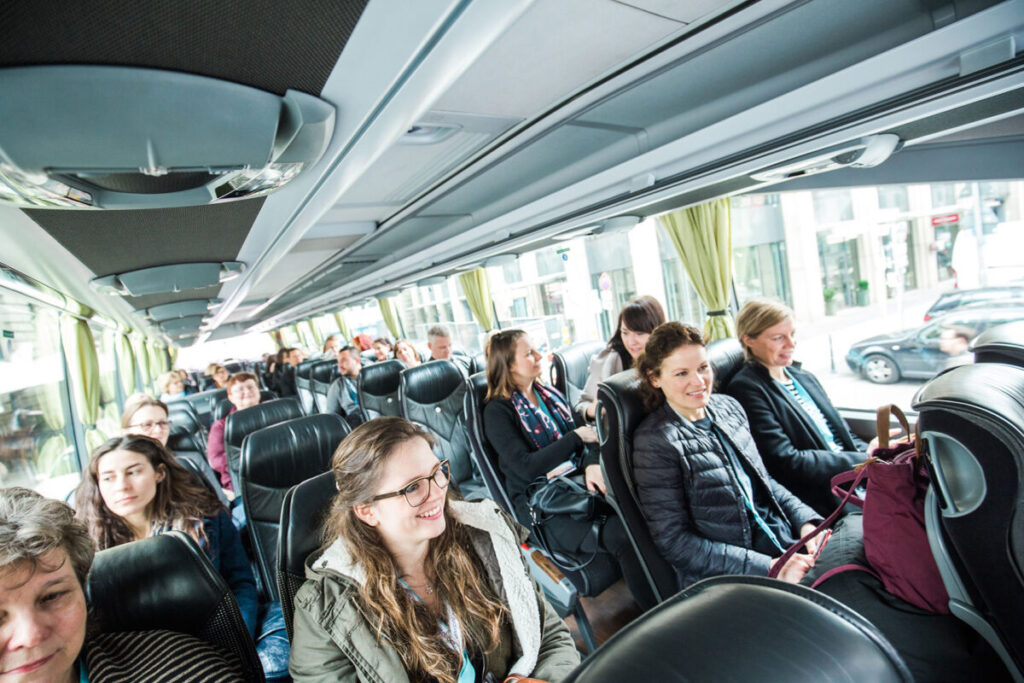
When you’re sizing up bus travel vs. flying with kids, comfort and what’s actually available during the ride can make or break the trip. Buses usually give you more room to breathe and easier access to what you need, while planes pack you in but get you there faster.
Seating Space and Legroom
Charter buses and big names like Greyhound offer more legroom than economy airline seats. On a bus, you’ve got reclining seats and real space—sometimes 36 to 39 inches of pitch, compared to the 28 to 31 inches you’re squeezed into on a plane.
Your kids can move around more freely on a bus without constantly kicking someone’s seat. You can get up and head to the bathroom whenever you like—no waiting for the seatbelt sign.
Airlines now charge extra just to pick your seat, and you might end up split from your kids unless you pay. Bus companies usually let you pick seats together through sites like Busbud, and there’s no extra fee. Seats are wider, too—about 18 to 20 inches, not the 17-inch squeeze you get on budget airlines.
In-Transit Entertainment Options
Planes usually have seatback screens with movies and games, but they can be hit or miss. (Ever had a toddler and a broken screen? Not fun.)
Buses like Greyhound and many charter lines now have WiFi and outlets at every seat. You can charge your tablets, phones, whatever, without fighting for a plug. Some buses show movies on overhead screens, though they’re often in the local language.
The real win? You’ve got space to spread out coloring books, snacks, and toys, and things don’t tumble into the aisle every five minutes. If your kid likes looking out the window at cows or city lights, that’s free entertainment for miles.
Food, Snacks, and Restroom Facilities
Airlines have gotten stingy with snacks—sometimes it’s just a tiny bag of pretzels. On longer bus trips, drivers stop so you can buy real food or stretch your legs for 10-15 minutes.
Buses let you bring whatever snacks you want—no TSA to confiscate your kid’s juice box. You can pack a cooler if you need to, which is a lifesaver for picky eaters or allergies.
Bathrooms are easier, too. Most charter buses and Greyhound routes have restrooms onboard you can use whenever. They’re not fancy, but they sure beat waiting for the seatbelt sign or standing in a cramped airplane aisle. When your four-year-old has to go right now, that bus bathroom is a lifesaver.
Cost Considerations: Bus Tickets vs. Airfare
Traveling with kids means ticket prices add up fast—and airlines’ extra fees can turn a “cheap” trip into a budget buster.
Family Ticket Pricing and Group Discounts
Bus companies usually charge per seat, just like airlines, but here’s the thing: most bus operators don’t jack up the price if you book several tickets together. You pay the listed price times your group size—simple.
Airline fares bounce around based on how many seats are left at each price. Book four tickets, and you might pay four different prices if the cheap seats disappear halfway through.
Some bus lines actually have family discounts. Greyhound sometimes lets kids under 12 ride for less, and FlixBus does companion fares where the second ticket is cheaper. They don’t always advertise these—sometimes you have to dig or call to find out.
Group rates get interesting if you’re traveling with a crew. Charter bus companies will negotiate for big groups, which airlines rarely do unless you’re booking for, say, a wedding. The price break usually starts around 15-20 people, but even smaller families can snag deals during slow seasons.
Baggage, Fees, and Hidden Costs
Flying with kids can get expensive fast. Airlines charge $30-35 per checked bag on most domestic flights now. If you’ve got three kids each needing a suitcase, you’re looking at $90-105 each way—$180-210 round trip just for bags.
Buses include bags in your ticket price. You usually get one or two checked bags per person plus a carry-on, no extra fees. That matters when you’re hauling car seats, strollers, diaper bags, and all the rest.
Airlines also charge if you want to sit together. Budget airlines can hit you for $10-50 per seat just to pick your spot. Buses assign seats when you board or let you choose for free—no extra cost.
Airport parking or rideshares can add $25-60 each way. Bus stations are usually downtown, so you can get there cheaper. I’ve spent $40 on an airport Uber when the bus station was a $3 subway ride away.
Saving Money on Short and Medium Distances
For trips under 300 miles, buses are a no-brainer. A family of four going from Philly to DC might pay $60-80 total. Flying? That’s $320-480 for tickets, plus baggage and airport rides.
For 300-600 mile trips, buses still win on price. Four tickets from LA to San Francisco run about $100-180. Flying is $320-480 before fees. Even with a longer ride, you’re saving $200-300.
Long trips (over 600 miles) are where things shift. A bus from New York to Chicago takes 18 hours and costs maybe $200-300 for a family of four. Flights are $400-600 and get you there in under three hours. Whether the time saved is worth the extra cost really depends on your kids’ patience and your own flexibility.
Safety, Reliability, and Health Factors

Commercial planes have the top safety record of any travel mode, and buses are a close second—both way safer than driving yourself. Weather, mechanical trouble, and scheduling mess with buses and planes in different ways, so how you handle disruptions with kids will vary too.
Safety Records of Buses and Planes
Flying is, statistically, the safest way to travel. Between 2010 and 2019, commercial flights in the US caused only 16 deaths. That’s an incredibly low number, especially considering the millions who fly every year.
But here’s what surprises most parents: buses come in second place for safety. The fatality rate for bus travel is much lower than driving your own car. Your kids are actually safer on a bus than if you drove them yourself.
Key safety differences:
- Planes follow strict federal rules, have required maintenance, and pilots go through a ton of training
- Buses meet federal standards too, but safety can vary a bit depending on the company and the route
- Weather impacts hit buses more since they’re on the road
- Accident severity is usually lower on buses because they travel slower
Here’s the catch: those stats are per mile traveled. Planes cover ground fast, so you’re at risk for less time. A 10-hour bus ride means way more time on the road than a 2-hour flight for the same distance.
Managing Delays, Cancellations, and Travel Disruptions
Buses give you more flexibility when things go sideways, but planes usually keep tighter schedules—at least when everything goes right.
Flight cancellations can leave you stuck at an airport for hours or even overnight. If your flight’s cancelled, you might not get rebooked until the next day, especially during busy times. I’ve seen families camping out on airport floors at 2 AM with cranky toddlers because there just weren’t any other options.
Bus companies often run multiple departures a day on popular routes. Miss a bus or hit a cancellation? You can usually hop on another within a few hours. Sure, you won’t get the same federal compensation rules as airlines, but those cheaper tickets take some sting out of it.
Disruption factors to consider:
- Bad weather grounds planes faster than it stops buses
- Buses can reroute around road closures; planes need specific airports
- Mechanical issues on buses might mean switching vehicles roadside
- Airport security issues can delay flights even in perfect weather
Deciding Which Mode is Right for Your Trip
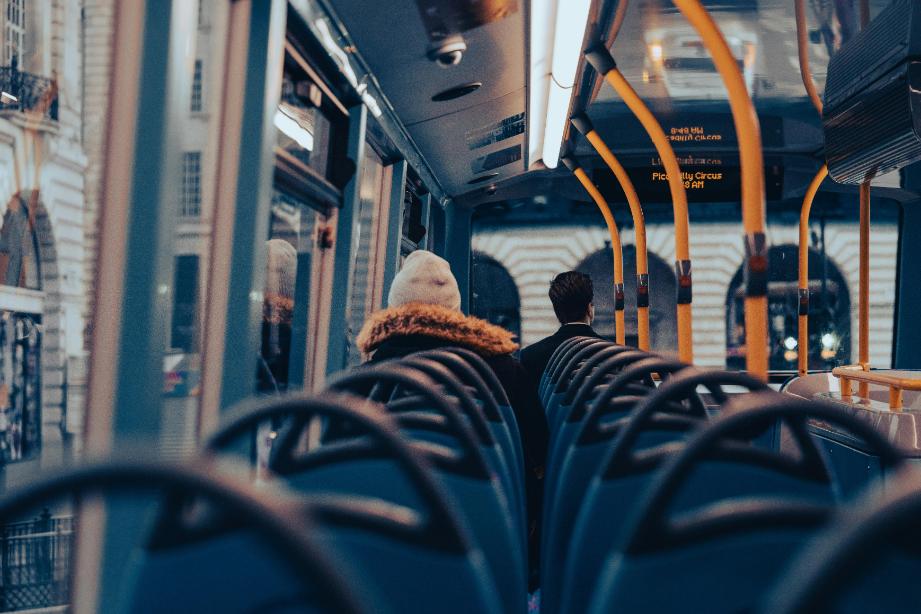
Bus travel makes sense when you’re watching your budget and have some wiggle room in your schedule. Flying is better when you need to get somewhere far, fast. It really depends on your destination, how much time you have, and what your kids can handle.
When to Choose Bus Travel With Kids
Go for the bus if your trip is within 200-300 miles. Routes like Boston to New York or San Francisco to LA work great because kids can move around more than on a plane. The savings are real—a family of four might pay $600-800 for flights but just $150-200 for bus tickets with companies like Busbud.
Buses are champions for flexibility. Your kids can bring whatever snacks they love, no TSA rules, and you skip those long security lines. Need a bathroom break? No problem. Plus, big windows mean younger kids stay distracted watching the world go by.
Honestly, one of the best perks is that buses usually drop you downtown, close to your hotel. No pricey airport shuttles or 30-mile drives from the airport.
When Flying With Kids Is Better
Pick flying if you’re traveling more than 500 miles or crossing regions. A five-hour flight is way better than a 12-hour bus ride with restless kids, even when you add in airport time. Sure, flights can be pricey, but sometimes your sanity’s worth it.
Flying is great when time matters—like quick trips to visit family or making it to a wedding. You can leave Friday after school and actually enjoy Saturday instead of spending it on the road.
If you have toddlers who sleep well, flying is surprisingly easy. A napping baby on a two-hour flight is a dream compared to keeping them entertained for eight hours on a bus. And, let’s be real, some places just aren’t doable by bus without a bunch of transfers that’ll wear everyone out.
Itineraries Favoring Each Mode
Bus-friendly trips:
- Regional city pairs (NYC to Philadelphia, Chicago to Milwaukee)
- Scenic routes where the journey is part of the fun (Pacific Coast Highway segments)
- Multi-stop trips with 2-3 cities close together
- Weekend getaways under 4 hours away
Flight-friendly trips:
- Cross-country travel (New York to California)
- International destinations
- Single-destination vacations in far-off states
- Trips with tight schedules
Your kids’ ages matter too. Teens often prefer buses—they get WiFi and can zone out for hours. But a squirmy 4-year-old? They might do better with a quick flight, even if the airport part is a hassle. Think about what your kids can handle, not just what travel blogs say.
Essential Tips for Stress-Free Bus and Air Travel With Kids

Whether you’re buckled in at 30,000 feet or cruising down the highway, smart prep and the right attitude make all the difference. The line between a nightmare trip and one your kids actually remember fondly comes down to how you pack, how you keep them busy, what you feed them, and how you handle surprises.
Packing Smart for Both Modes
Your packing game needs to change depending on how you travel. On a plane, you’re fighting weight limits and overhead bin puzzles. On a bus, you get more space but less access once you’re rolling.
Pack a dedicated carry-on for each mode. For flights, stick with compact stuff and remember the 3-1-1 liquids rule. On buses, you can bring bigger wipes, extra water, and comfort items without security hassling you.
Must-haves in every travel bag:
- Change of clothes for each kid (seriously, don’t skip this)
- Medications and basic first aid
- Hand sanitizer and disinfecting wipes
- Chargers and a portable battery
- Small trash bags
- Snacks that won’t melt or make a mess
Keep essentials in outside pockets so you can grab them fast. Nothing’s worse than digging through a packed bag while your kid’s melting down over a missing stuffed animal.
Keeping Kids Entertained and Comfortable
Bored kids = chaos, especially on long trips. Download everything before you leave—Wi-Fi is unreliable on both buses and planes.
Fill tablets with new movies, shows, and games. Fresh content keeps them interested longer. But don’t count only on screens—bring activity books, magnetic games, small toys, and coloring stuff that won’t roll away.
On buses, window seats are gold. Kids can watch the scenery and play games like “spot the red car” or “count the cows.” Little prizes make it more fun.
Play simple verbal games: 20 Questions, I Spy, or just making up stories together. Sometimes, just talking about whatever random thing your kid wants to discuss works better than any toy.
Comfort matters. Neck pillows, light blankets, and their favorite stuffed animal can help kids relax. Dress in layers—buses and planes are usually chilly.
Managing Meals and Snacks During Travel
Food is both fuel and distraction. But not all snacks are travel-friendly.
Avoid messy, crumbly, or stain-prone snacks. Applesauce pouches are great until one bursts. Crackers become a million crumbs. Chocolate melts everywhere.
Solid snack picks:
- Granola bars (the chewy kind)
- String cheese
- Dried fruit
- Pretzels in a container
- Frozen squeeze pouches
On planes, you’re stuck with what you bring or buy after security. On buses, you can pack a small cooler if you want. Either way, bring more snacks than you think you’ll need. Hungry kids are grumpy kids.
Pack water bottles but keep them sealed until after takeoff if you’re flying. On buses, refill at rest stops to save cash.
Pace the snacks. Hand them out slowly to break up the trip: “We’ll have goldfish crackers in 30 minutes” gives kids something to look forward to.
Preparing for Unexpected Issues
Stuff will go wrong. That’s just how it is with kids and travel.
Motion sickness can hit harder on buses than planes with all the stops and turns. Seat your nausea-prone kid by a window so they can see the horizon. Keep a sealable bag handy—just in case. Small sips of water help more than you might expect.
Teach your kids what to do if you get separated. Make sure they know your phone number and full name. Point out the flight attendant or bus driver as the grownup to find if they can’t find you.
Bring backup clothes for everyone, not just the little ones. Spills happen to everyone. Toss in extra underwear and socks too.
Delays are more common with flights, but buses can get behind or make surprise stops. Build buffer time into your plans and avoid tight connections. Rushing through airports or bus stations with kids isn’t worth saving 30 minutes.
Keep your phone charged and bring paper copies of tickets, hotel info, and emergency contacts. Tech always fails at the worst times.
Frequently Asked Questions
Picking between bus and air travel with kids brings up lots of practical questions about cost, safety, time, and logistics. Real-world answers matter.
What are the key factors to consider when deciding between bus travel and flying with children?
Your child’s age is a bigger deal than you might think. Toddlers (1-3 years old) often do better on buses where they can move around a bit, while older kids (past 6) usually handle flying fine once you get through security.
Distance matters too. For under 300 miles, buses usually make more sense—you skip the whole airport ordeal. Flying means showing up 2-3 hours early, so a “quick” flight can turn into a five-hour event once you add in everything else.
Being able to bring your own food and drinks is a big plus for buses. My neighbor swears by bus trips for her picky eater because she can pack whatever keeps him happy, no TSA rules or airport prices.
Bathroom access is another thing parents forget until it’s too late. Buses have restrooms you can use anytime, but planes keep you seated with that seatbelt sign on—sometimes for who knows how long during turbulence.
How does the cost comparison between bus travel and flying typically break down for families?
Bus tickets usually run about 30-60% cheaper than flights on similar routes. A family of four might spend $200-300 for bus tickets, while plane tickets on a Boston to Washington DC route can hit $600-1000. That’s a big gap, especially if you’re watching your wallet.
But it’s not just the ticket price. Flying racks up expenses fast—parking fees ($15-30 a day), checked bag fees ($30-35 per bag each way), and those overpriced airport snacks you regret buying. Buses? You usually park for free at the terminal and bring whatever snacks you like. No one’s going to stop you from packing PB&Js and juice boxes.
Children under 2 fly free as lap infants, which sounds good until you’re wrestling a restless toddler for hours. Most bus companies knock down fares for kids ages 2-11, and a few will let little ones under 2 ride free on your lap too. Not perfect, but it helps.
What are the safety considerations when choosing between bus travel and flying with kids?
Statistically, both buses and planes are very safe, though planes edge out buses on the numbers. Still, when you’re traveling with kids, stats only get you so far.
Bus crashes happen more often than plane crashes, but they’re usually less serious. Planes have trained pilots and strict maintenance, thanks to the FAA. That’s reassuring, right?
The real safety headache with buses is car seats. Kids under 40 pounds should use car seats, but most intercity buses don’t have seatbelts or anchors. So you’re left holding your kid or just hoping for the best—not exactly ideal.
On planes, you can use FAA-approved car seats or CARES harnesses for kids under 40 pounds if you buy them their own seat. That gives you real restraint options, which buses just can’t offer.
During cold and flu season, buses actually have better ventilation than you might expect, since air flows in through open doors at stops. Planes push cabin air through HEPA filters, which works well but sometimes feels a bit stuffy.
How do travel durations compare between bus routes and flights when traveling with children?
Flight time alone doesn’t really tell the whole story. A so-called 2-hour flight means you have to get to the airport 2-3 hours early, so you’re easily looking at 4 or 5 hours from leaving home to actually arriving at your destination.
Buses might seem slower on paper, but they often end up faster than flying for trips under 400 miles once you count all the airport hassle. That 6-hour bus ride from New York to Cleveland? It can match a flight pretty closely after you factor in airport time, security, and the usual delays.
Overnight buses can work surprisingly well for families. Kids might just sleep through most of the ride, so that 10-hour overnight bus becomes a rolling hotel and transport in one, saving money and freeing up your daytime hours.
Flying feels unpredictable in ways buses just don’t. Flight delays and cancellations can leave families stranded in airports with cranky kids and not many good options. Sure, buses hit traffic sometimes, but at least they don’t get stuck waiting for weather to clear three states away.
Layovers make flying with kids especially tough. A connecting flight might look faster at first glance, but a 3-hour layover in Chicago with tired children? That can test your patience in ways a direct bus ride just doesn’t.


