I’ve spent years bouncing around continents on buses, and one question never dies: is a sleeper bus actually cheaper than flying? Sleeper buses usually cost 40-70% less than economy flights for similar routes, with fares ranging from $10-$55 compared to $50-$200+ for flights.
The real answer, though, depends on your route, timing, and what you care about most—sometimes that cheap ticket comes with trade-offs you really should know about.
The math isn’t always clear-cut. You might spot a sleeper bus from Lahore to Karachi for about $55, while a flight costs $120, making the choice look easy. But then you have to think about booking fees, luggage charges, airport transfers for flights, and the fact that a bus takes a lot longer. I’ve watched travelers pick both options and regret it later because they didn’t look at the whole picture.
Your decision is about more than just the ticket price. The distance, when you book, and whether you can actually sleep on the move all matter when figuring out if that cheaper sleeper bus ticket is the smarter move for your trip.
Key Takeaways
- Sleeper buses cost way less than flights but take much longer
- Booking early and traveling off-peak saves money on both sleeper buses and flights
- The best choice depends on your route, schedule, and how much comfort you need
Understanding Sleeper Buses and Air Travel

Sleeper buses run as overnight coaches with beds. Planes get you there faster, but you’ll pay more once you add up all the fees.
What Is a Sleeper Bus?
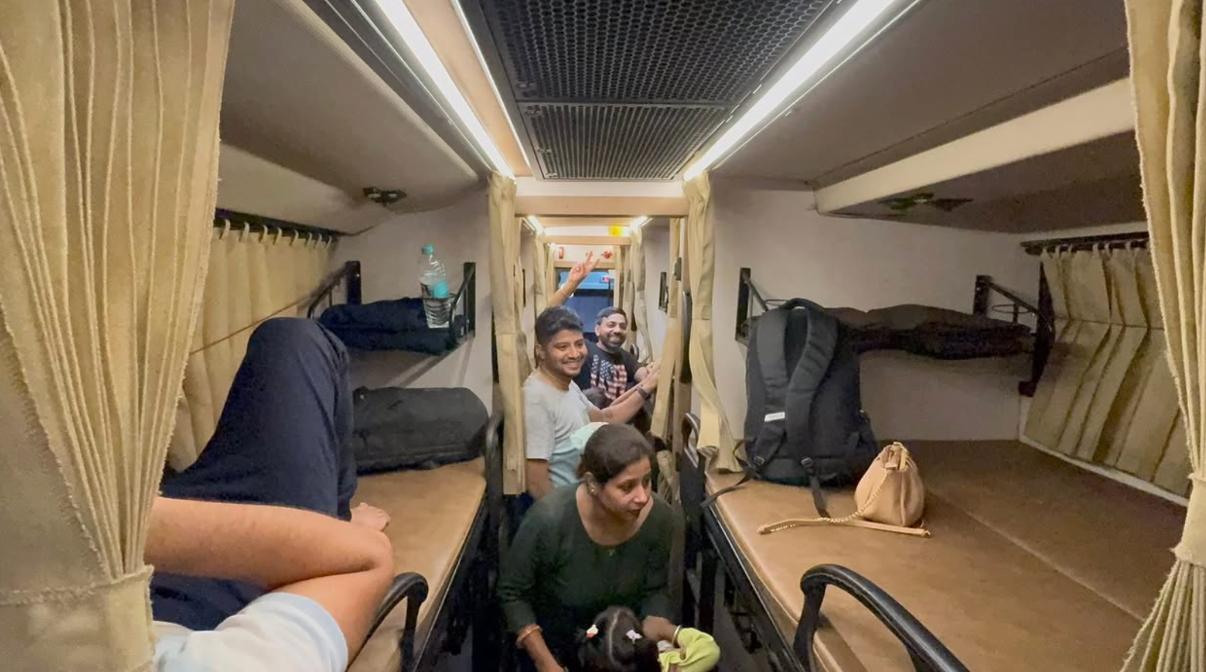
A sleeper bus is an overnight coach with beds instead of the usual seats. You board at night, sleep while rolling down the highway, and wake up at your destination the next morning.
These buses have private pods or semi-private sleeping spots. Each pod usually gives you a mattress, pillow, blanket, and a curtain for privacy. Companies like Napaway have made sleeper buses surprisingly comfy with features you’d never expect on a bus.
Most sleeper buses offer Wi-Fi, USB charging, and reading lights. Some have basic shared bathrooms onboard. Pods are stacked two high, with ladders or stairs to the upper ones.
You save on a hotel since you’re sleeping while traveling. The experience isn’t exactly like your own bed, but it’s way better than sitting upright for eight hours. Your luggage goes in storage underneath, just like on regular buses.
How Air Travel Works for Domestic Routes
Flying gets you there in a fraction of the time. A flight from Boston to Philadelphia? About 90 minutes in the air.
But you can’t just show up right before you want to leave. You need to get to the airport early for security, check your bags (and pay for them), and deal with possible delays. Airports are usually out of the way, so you’ll need extra time and money just getting there.
Budget airlines love to advertise low fares, but baggage, seat selection, and other fees push the price up fast. That $50 ticket? It can easily turn into $150. Need a connecting flight? Suddenly your “fast” trip drags out.
The flying part is quick. Everything else? Not so much.
Key Differences in Travel Experience
Time commitment: Flying is faster for pure travel time, but airport routines eat up hours. Sleeper buses take longer, but you’re asleep anyway.
Comfort level: Economy airline seats barely give you room to move. Sleeper buses let you lie flat, though the pods can feel a bit tight. Still, it’s better than being wedged into seat 32B.
Departure and arrival locations: Buses drop you in city centers. Airports? Usually out in the sticks, so you’ll pay and plan for extra transport. That matters—a lot—when you’re dragging bags at sunrise.
Your choice depends on what you care about. Need speed? Fly. Want to save cash and stretch out? Go for the sleeper bus.
Sleeper Bus vs Flying: Direct Price Comparison

When you’re booking travel, the sticker price is just the beginning. Sleeper buses often cost $30-$80 for most routes, while budget airline tickets run $50-$150, depending on timing and where you’re headed.
Average Ticket Prices by Route
Short-haul routes (under 300 miles) show the biggest price gap. A Greyhound or FlixBus ticket from LA to San Francisco is usually $25-$45, while flying that route costs $80-$120—even on budget airlines.
For medium distances (300-600 miles), things get interesting. Red Coach’s Miami to Orlando sleeper service charges about $35-$55. A Spirit or Frontier flight? Usually $60-$100 for the base fare.
Long-distance routes (over 600 miles) narrow the gap. Tufesa’s Phoenix to Tijuana sleeper bus sits at $60-$75, while budget airlines charge $90-$140. But here, flying starts to make more sense for some—you save 8-12 hours of travel time.
One thing I’ve noticed: bus prices stay pretty steady, while airline fares swing wildly with demand.
Breaking Down Hidden Costs
Budget airlines pile on fees that turn a $60 ticket into something much pricier. Checked bags cost $30-$60 each way. Carry-ons? Another $35-$55 on the ultra-budget guys. Seat selection? Add $10-$50.
Bus tickets include your luggage—usually two checked bags and one carry-on. No tricks, no surprises. FlixBus and Greyhound don’t charge extra for standard bags.
Getting to airports costs money too. Parking can run $15-$30 per day, or you’ll pay $25-$60 for rideshares from most city centers. Bus stations are usually downtown, often reachable by local transit for $2-$5.
Regional and Seasonal Price Fluctuations
Holiday travel sends airline prices soaring—sometimes by 40-80%. Thanksgiving flights from New York to Miami can jump from $120 to $200+. Long-distance bus fares climb too, but usually just 20-30%—that same route might go from $85 to $110 on a sleeper bus.
Summer tourism season hits both options, but in different ways. Coastal routes see airline price spikes, while bus prices stay more stable. I’ve booked buses just a week out and still got decent rates, while last-minute flights cost a fortune.
Regional quirks matter. In the Northeast, buses compete hard and prices stay low. In the Southwest, there’s less bus competition, so prices hold steady and airlines don’t discount as much either.
Cost Factors That Affect Both Sleeper Buses and Flights

When you’re comparing sleeper buses to air travel, the sticker price is just the starting point. Both have pricing structures shaped by similar factors, though how much each factor matters can vary between bus tickets and plane tickets.
Distance and Duration
The length of your trip plays out differently for buses and flights. For short distances under 200 miles, flying can cost about $100 more than the bus. But once you get into longer trips, that gap shrinks.
Sleeper buses usually price tickets between $80 and $180 one-way, depending on the route. That price stays pretty consistent, whether you’re going 300 or 600 miles. Air travel is another beast. Short flights often feel overpriced since you’re paying for takeoff and landing no matter the distance.
International flights are a different story. Sleeper buses rarely cross borders (though a few routes exist), so planes basically own that market. Less competition means higher prices.
One thing I’ve noticed: a bus trip from Fort Myers to West Palm Beach actually gets you there nearly 3 hours faster than flying when you factor in airport time, and saves you about $129. Distance alone doesn’t explain everything.
Booking Timing and Availability
Timing matters, but the penalties hit differently. Airlines want you to book 3-4 weeks ahead for the best fares. Buy earlier? Doesn’t help. Wait until the last minute? Prepare to pay double or triple.
Bus tickets are more forgiving. The last-minute penalty exists, but it’s less harsh. I’ve grabbed sleeper bus seats two days before departure and not broken the bank. Budget airlines try to compete here, but their “flexible” fares still cost more than standard bus tickets.
Availability shifts with demand too. Holiday weekends and summer months squeeze both markets, but sleeper buses can usually add extra departures more easily than airlines add flights.
Additional Fees and Baggage Policies
This is where things get a little nuts. Airlines have turned fees into an art form. Major US carriers (except Southwest) raised checked baggage fees by $5 in 2024. That might not sound like much until you’re traveling with family or making multiple trips a year.
Fuel surcharges? They can add over $1,000 to a round-trip ticket on some routes. A court recently blocked rules that would’ve forced airlines to show these fees upfront, so you often don’t see the real cost until checkout.
Sleeper buses keep it simple. Most include at least one checked bag and a carry-on in your ticket price. Some charge for extra luggage, but we’re talking $10-20, not the $35-75 airlines want.
Air travel also hits you with seat selection fees, priority boarding, and food costs. Buses? Your bunk or seat is assigned, and while meals aren’t included, you’re not paying $12 for a sad sandwich at 30,000 feet either.
Comfort and Amenities: Getting Value for Your Money

When you’re weighing sleeper buses against flying, comfort really changes the value. A $115 bus ticket might seem steep next to a $50 flight, but the amenities can totally shift your decision.
Seating vs. Lie-Flat Beds and Private Suites
Regular airplane seats squeeze you into tight rows with almost no legroom. Even “economy plus” barely helps. Sleeper buses flip this on its head.
Companies like Napaway and VonLane offer lie-flat beds instead of seats. You’re not just in a chair that reclines—you get an actual sleeping surface. Some luxury bus operators even provide private suites with curtains or doors.
The difference really shows up on overnight trips. While airline passengers twist themselves into weird shapes trying to sleep, you’re stretched out flat in your sleeper pod. Charter bus services offer these setups too, though it depends on the company and route.
Private suites on premium buses usually have reading lights, climate controls, and sometimes even little entertainment screens. It feels more like a tiny hotel room than a mode of transport.
Onboard Services and Entertainment
Airlines charge for everything now. Want a snack? That’s $8. Need Wi-Fi? Pay up. Sleeper buses usually bundle these in with your ticket.
Most luxury bus services include decent Wi-Fi (since you’re not 30,000 feet up). Power outlets are standard at each seat or pod. Some operators give you streaming entertainment, though honestly, I care more about having reliable internet.
The bathrooms are worth mentioning. Bus restrooms are usually cleaner and more spacious than airplane lavatories. You can use them whenever—no need to wait for a seatbelt sign.
VonLane and similar premium services sometimes include light meals or snacks. It’s not gourmet, but it beats paying airport prices for a sad sandwich.
Luggage and Accessibility Considerations
Airlines charge $30-35 per checked bag now, and carry-on rules just keep tightening. Sleeper buses? Luggage is usually part of the deal—no surprise fees.
You can bring a normal amount of baggage without the weight limits airlines love to enforce. Toss your big stuff under the bus and keep a bag close by. Nobody’s eyeballing your backpack to see if it fits in a tiny metal bin.
Accessibility really depends on the company. Some luxury sleeper coaches just don’t have the same ADA features you find on planes. If you have specific needs, it’s worth calling the bus company before you book.
Rest, Sleep Quality, and Privacy
This is where sleeper buses really show their strengths. Sleeping on a plane? Good luck—armrest wars, seats in your lap, and babies crying up and down the aisle.
With a lie-flat bed on a sleeper coach, you can actually rest. Privacy curtains or doors block out the world so you get your own space. There’s road noise, sure, but it’s steadier and less harsh than the chaos of a plane cabin.
Most sleeper buses run overnight. You leave around 10 or 11 PM, show up early in the morning, and basically turn travel time into sleep time. That efficiency is worth something, even if tickets cost a little more.
You can move around, too. If you need to stretch, just get up and walk to the back. No waiting for the seatbelt sign or worrying about bumping into flight attendants.
Major Companies and Services: Who Offers What?

The sleeper bus scene in the US is still pretty small, but a few standout operators are shaking things up for overnight travel. Traditional bus lines and charter options have their own takes on premium comfort that might fit your needs better.
Top Sleeper Bus Operators in the US
Napaway is one of the rare true sleeper bus services out there. They run between major cities with lie-flat pods—actual sleeping space, not just a seat that kind of leans back. Each pod has curtains, charging ports, and enough room to stretch out.
Vonlane, mostly in Texas, calls itself a “private jet-style” bus. It’s not a true sleeper, but their seats recline way back and you get about 6 feet of legroom. There’s complimentary food, drinks, and an onboard attendant to help out.
Red Coach covers Florida with premium buses and first-class sections featuring memory foam seats and generous legroom. No sleeping pods, but for overnight trips between cities like Miami and Tampa, the reclining seats do the job.
These options cost more than basic bus tickets—figure $80 to $250 depending on the route. Still, they’re usually cheaper than flying once you add up baggage fees and airport headaches.
Noteworthy Bus and Flight Alternatives
Greyhound is still the biggest bus network in the US, though it’s more about low prices than comfort. Sometimes you get lucky on overnight routes and snag a seat to yourself during off-peak hours.
FlixBus has spread quickly with modern coaches, WiFi, and outlets. Prices stay low thanks to dynamic pricing, but comfort can be hit or miss depending on the route. No sleeper pods, but their buses are a step up from old-school Greyhound.
Trailways is a network of independents, offering mid-tier service. Some routes have nicer coaches with extra legroom and restrooms. Tufesa Ejecutivo serves the Southwest with leather reclining seats and tray tables—pretty decent for overnight rides to places like Phoenix or Houston.
When you’re comparing to flights, just remember budget airlines like Spirit often lure you in with low fares, then pile on fees. That $60 flight? It turns into $150 once you add bags and seat selection, putting you right in premium bus territory.
Charter and Private Bus Options
Bus charter services let you rent an entire sleeper bus for your group. Perfect for bands, sports teams, or work trips when you want everyone together. Companies like Napaway and some charter specialists offer sleeper tour buses with private sleeping quarters, entertainment systems, even kitchenettes.
Charter prices run $1,500 to $5,000 per day depending on the bus and features. Split among 15-25 people, that’s often less than booking flights and hotels for everyone.
Some companies offer “VIP sleeper buses” with private beds or pods, not just reclining seats. They’re mostly used for entertainment tours, but you can rent one if your budget allows. Just be warned—actual sleeper buses are rare in the US charter market, so book early if you want one.
When Is Sleeper Bus Cheaper (and When Is Flying Worth It)?

The price gap between sleeper buses and flights really depends on your route and mileage. For trips under 200 miles, buses often save you about $100. Once you get over 1,350 miles, flying usually wins on price and time.
Short Hauls and Medium Distances
Shorter trips? Buses are usually the wallet-friendly pick. For anything under 200 miles, flying will likely cost you $100 more. The sweet spot is 250-450 miles—buses save you $20-30 per hour of extra travel time compared to flying.
Take Fort Myers to West Palm Beach. The bus actually gets you there almost three hours faster than flying (once you count airport time) and saves you $129. No airport lines, no early check-ins, no waiting around at the gate.
Bus fares for these trips run $8-120, while flights cost about the same whether you’re going 25 or 200 miles. Plus, buses drop you downtown—no extra cash for airport shuttles or cabs.
Long-Distance and Overnight Routes
Longer trips get complicated. You’d think a 20-hour bus ride would be way cheaper, but that’s not always true. Over 1,350 miles, flights often cost the same or even less than the bus.
Night buses can still make sense on certain routes. Tampa to Memphis by bus is $166, compared to $307 by plane—a $140 savings, though you spend 15 more hours on the road. But sometimes, like Orlando to New York, the bus takes nearly 24 hours and only saves you $2.45 versus flying.
Long-distance bus tickets top out around $120, while flight prices barely change with distance. So those marathon bus rides aren’t always the deal you’d expect.
Case Studies: Major City Pairs
Philadelphia to Washington D.C. is a slam dunk for buses. You pay $15 for a bus, $280 for a flight—95% savings, and the bus actually gets you there an hour faster.
Los Angeles to Las Vegas is a closer call. The flight costs $40 more but saves you three and a half hours, or about $11 per hour saved. Not bad compared to other routes where the premium is much higher.
Dallas to Phoenix flips things. Flying saves you $33 and gets you there faster. Same story for Los Angeles to New York, where you save $2.50 (and a lot of time) by flying instead of sitting on a bus for days.
The bus-versus-plane math really depends on your specific cities, so always price out both before you book.
Additional Considerations Before You Choose

Price isn’t the only thing to weigh when picking between a sleeper bus and a flight. Think about environmental impact, how convenient each option feels, safety records, and honestly, which one just fits your situation better.
Environmental Impact and Sustainability
Buses win big on carbon emissions. A full overnight bus puts out about 80-130 grams of CO2 per passenger kilometer, while planes crank out 250-300 grams for the same trip.
That’s a huge gap if you care about your carbon footprint. And let’s be real, more folks are starting to care.
Luxury buses hauling 20-40 people use fuel more efficiently than almost any other long-distance option. Planes burn tons of jet fuel just to get off the ground, so even short flights have a big carbon price tag.
Something people rarely mention: buses use regular roads, while airports require massive concrete pads, constant electricity, and whole networks of ground transport. The whole flying ecosystem just eats up more resources.
Overall Travel Convenience
This one’s a toss-up and really depends on your route. Flying is faster—no doubt. A five-hour bus ride might be a one-hour flight.
But all the airport stuff—security, arriving early, baggage claim, getting to and from the airport—can tack on three or four hours. Suddenly, that quick flight doesn’t save as much time as you thought.
Overnight buses pick you up closer to home and drop you downtown. You sleep through the ride and wake up ready to go. Plus, you skip a hotel night, saving both time and money.
Luxury buses now have WiFi, outlets, and real legroom—stuff you pay extra for on planes. You can also bring whatever luggage you want, without surprise fees.
The downside? Buses can get stuck in traffic or bad weather, and if something goes wrong, your backup options are limited.
Safety, Reliability, and Scheduling
Both options are pretty safe, but air travel has a slightly better record overall. Commercial aviation keeps getting safer every year.
Still, reputable bus companies have strong safety records. You’re way more likely to get delayed than have a real safety issue, whichever way you go.
Scheduling flexibility goes both ways. Major air routes have flights every hour or two, but buses usually run daily or twice daily—easy to plan around if you know your schedule.
Weather messes with both. Flights get canceled for things a bus could handle, but a big snowstorm will slow down a bus while a plane just flies over (if it can take off at all).
Who Should Consider Each Mode?
Sleeper buses are great for 200-500 mile overnight trips, saving money, shrinking your carbon footprint, or if you just like the journey itself. Students, budget travelers, and anyone who can sleep on the move will probably love them.
Flying makes sense for trips over 500 miles, when time matters more than cost, or if you’re traveling for business. If you’ve got mobility challenges, airports usually have better accessibility than bus stations (even if they’re a hassle).
Some families split the difference. Parents with little kids sometimes prefer buses—more room to move, less stress about keeping everyone quiet and still.
Frequently Asked Questions
Price differences between sleeper buses and flights depend on distance, booking timing, and all those hidden fees that add up fast. Knowing these cost quirks can help you make smarter choices for your travel budget.
How do cost differences between sleeper buses and flights affect long-distance travel budgets?
For short trips under 200 miles, sleeper buses usually win on price by about $100 or more. Your wallet feels the difference right away on these shorter routes.
But here’s where it gets interesting. Once you’re looking at trips over 1,350 miles, flights often become the cheaper option. You might spend 20 hours on a bus to save just a few bucks compared to a two-hour flight. Is that really worth it?
The math changes depending on your specific route. A trip from Tampa to Memphis by bus could save you $140 compared to flying. But an Orlando to New York journey? You’d sit on a bus for 21 extra hours just to save $2.45. That sounds rough.
What factors should be considered when comparing the economics of overnight bus travel and air travel?
Your time has value, plain and simple. Think about what those extra hours on a bus cost you in lost work time or vacation days.
Distance plays a huge role in your final costs. Sleeper bus tickets go from $8 for short trips up to $120 for longer hauls. Flight prices don’t jump around as much—you might pay just $5 more for a 1,400-mile flight than a 25-mile one. That’s wild, honestly.
The booking window matters too. Both buses and flights change prices based on demand, but they don’t always follow the same patterns.
Can sleeper buses offer a more affordable alternative to flying for cross-country trips?
Sometimes yes, sometimes no. It really depends on your exact route and timing.
Cross-country trips show the smallest price gaps between buses and flights. The longer your journey gets, the less money you actually save by choosing the bus.
Some routes like Los Angeles to New York might save you just $2.50 by taking the bus instead of flying. That’s not much of a savings for the extra travel time you’ll spend.
How do prices of one-way sleeper bus tickets generally compare to one-way flights?
One-way sleeper bus tickets on services like Napaway typically run between $80 and $180. Your exact price depends on the route and how many people want to travel that day.
Flights for similar distances often start around the same price point. The gap narrows a lot on longer routes where you’d expect buses to have a bigger advantage.
Mid-distance trips around 450 miles show the most dramatic difference. You’ll save about $8 per hour of extra travel time by choosing the bus over flying.
What are the price variations for advance booking versus last-minute travel on sleeper buses versus flights?
Both sleeper buses and flights reward early booking, but they work differently. Airlines use complex pricing systems that can make last-minute flights either extremely expensive or, weirdly, sometimes surprisingly cheap.
Sleeper buses usually have more stable pricing based on demand. You’ll pay more during peak travel times or on popular routes, but the swings aren’t as wild as airline pricing.
Booking ahead gives you better options on both. Sleeper buses have limited seats, and the most comfortable sleeping spots fill up first.
How do additional fees, such as baggage or convenience charges, impact the overall cost of traveling by sleeper bus compared to flying?
Airlines hit you with fees for everything these days. Checked bags can tack on $30 to $70 each way. Want to pick your seat? That’s extra. Some budget carriers even charge for carry-ons, which feels a bit much, honestly.
Sleeper buses usually throw in your luggage for free with the ticket. You can bring a bag or two without worrying about surprise charges, so comparing prices feels a bit less like a shell game.
But don’t get too comfortable—both buses and planes sneak in booking fees and payment processing charges.
These little add-ons pile up and can tip the scales when you’re weighing options. Always double-check the final total before you hit “book.”


