
I’ve spent years riding buses across continents, and one question always comes up: should you travel during the day or at night? The answer really depends on what you care about most during your journey.
Night buses help you save money on accommodation and get you to your destination early, while day buses let you enjoy the scenery and stick to a normal sleep schedule—but both have their quirks you should know before booking. When comparing day and night bus travel, your choice impacts your budget, comfort, and the whole vibe of your trip. The ticket prices are usually about the same, but overnight buses let you skip a hotel bill, so sometimes it feels like you’re getting the ride for free.
Your travel style and schedule play a big part in which option works best. Some folks love watching landscapes roll by in daylight, while others want to maximize time at their destination by sleeping through the long haul.
Key Takeaways
- Night buses cut accommodation costs but can mess with your sleep and leave you tired
- Day buses mean nice views and more comfort, but you might get stuck in traffic or crowds
- Your pick depends on budget, whether you love scenery, and how easily you sleep on the move
Night Bus vs Day Bus: Key Differences

Choosing between night and day buses mostly boils down to three things: when you want to travel, what kind of comfort you need, and your route.
Departure and Arrival Timing

Night buses usually leave between 9 PM and midnight, getting you to your destination early in the morning. You can skip paying for a hotel since you’re already sleeping on the bus.
Day buses run all day, typically from around 6 AM until early evening. Arriving during daylight makes it easier to find your hotel or get your bearings in a new place.
The timing does more than just change your schedule. Traveling at night means you combine transportation and accommodation into one cost. Overnight bus rides can save you money on a night’s stay, so the ticket feels almost free when you think about what you’d pay for a bed.
But let’s be real: showing up at 5 AM in an unfamiliar city can be rough. You might end up waiting hours before check-in, and some neighborhoods seem a bit sketchy before sunrise.
Types of Buses and Seat Options

Night travel calls for different bus features than daytime trips. Sleeper buses have seats that recline way back—sometimes almost flat—plus extra legroom and footrests. Some major night bus providers in the USA like RedCoach even offer premium seats you can really stretch out in.
Day buses stick to standard seating since most people don’t need to sleep. The seats do recline, but comfort isn’t as big a deal when you’re awake and watching the world go by.
Amenities are different, too. Night buses often give you a pillow, blanket, and eye mask.
Lights stay low, and drivers try to keep things quiet. Day buses focus more on entertainment—better WiFi, maybe movies, that sort of thing.
Route Flexibility and Coverage

Day buses usually offer more frequent departures on busy routes. Sometimes you’ll see a bus leaving every hour or two, so you’ve got some wiggle room if plans change.
Night buses don’t run as often, since there’s really only one overnight slot. Popular night bus routes like New York to Washington D.C. or Los Angeles to Las Vegas might just have one or two departures per night.
Coverage varies a lot. Some routes are perfect for overnight travel—think 8-12 hour trips. Shorter 3-4 hour journeys don’t really work for sleeping, so overnight buses aren’t as useful there.
See Related: Tips for Bus Tours & Travel
Pros of Night Buses

Night buses have some real perks for budget travelers and anyone trying to squeeze the most out of their trip. You save money on lodging, get more daylight at your destination, and sometimes reach your next stop faster than you’d expect.
Save on Accommodation Costs

Taking an overnight bus basically gives you a free place to crash for the night. Instead of dropping $30 to $100 on a bed, you’re already paying for the ride.
The math makes sense: say your bus ticket is $25. That covers both your ride and your “hotel.” Compare that to a $20 day bus plus a $40 hotel room, and you’re already ahead by $35.
This budget-friendly approach works best on long hauls—8-12 hour rides where you’d be traveling all night anyway. Over a few weeks, those savings add up. You can spend that extra cash on better food, fun activities, or just extend your trip a bit.
Maximize Daytime for Exploration

Traveling overnight means you wake up somewhere new, ready to hit the ground running. No wasting daylight stuck on a bus, just start exploring.
If you’re on a tight schedule or bouncing between cities, this is a game-changer. Arrive at 6 or 7 AM, grab some breakfast, and you’ve got the whole day to do your thing.
This is especially handy for folks who can’t take much time off work. Every day matters, and night travel squeezes more adventure into your limited vacation. You get more out of your trip without feeling rushed.
Avoid Daytime Traffic

Here’s something people often overlook: roads are usually emptier at night. You skip rush hour and slow traffic on busy highways.
Buses can keep a steadier pace after dark, so you might even arrive earlier than planned. There’s less stop-and-go, fewer delays, and a smoother ride all around.
This matters a lot in big cities or places where daytime traffic is a nightmare. The overnight option just makes life easier.
Faster Intercity Connections

Night buses often take more direct routes between major cities. They don’t make as many stops for local passengers. Many overnight services are express, aimed at folks traveling long distances.
You’ll notice this on popular tourist routes with dedicated sleeper buses. These aren’t your average local buses—they’re point-to-point, so you get where you’re going with fewer interruptions.
Less traffic, fewer stops, direct routes—it all adds up. Your overnight bus might be the fastest option, and since you’re asleep for most of it, the trip feels even shorter.
Cons of Night Buses
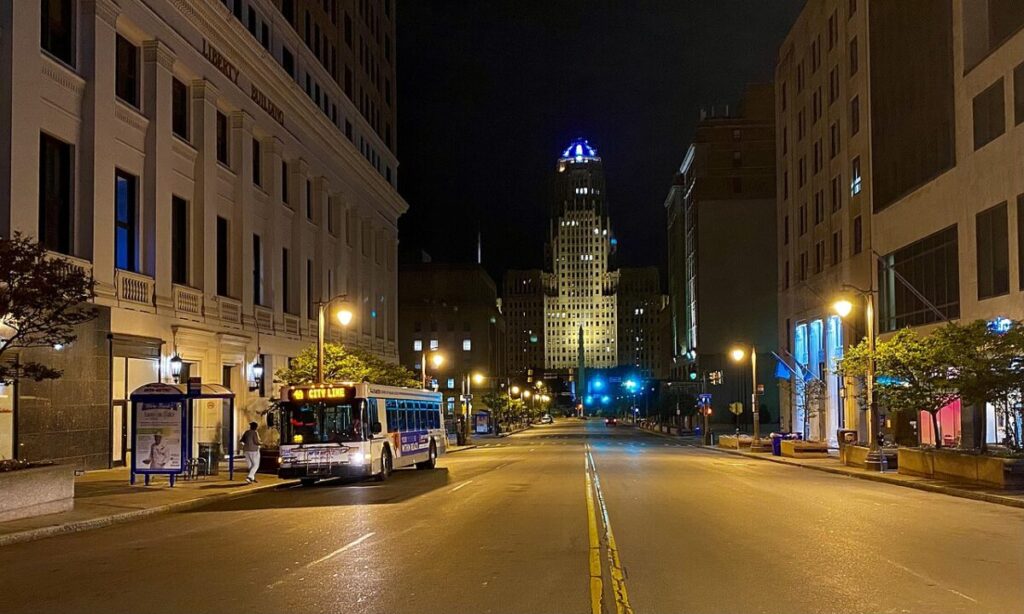
Night buses might save you cash and time, but they’re not always comfortable. Sleep can be tough, arrival times are sometimes awkward, and there are a few safety things to think about too.
Sleep Quality and Comfort Challenges

Getting real rest on a night bus? Honestly, it’s not easy.
Even with a sleeper seat, you’re dealing with engine noise, sudden stops, and people moving around. The bus rocks and bumps, so deep sleep is rare for most of us.
Temperature swings are common. Sometimes the AC blasts so cold you’re shivering under a thin blanket, or it’s so hot you can’t get comfortable. Your neck and back might ache from awkward positions, even if you bring a travel pillow.
The person next to you might snore or hog the armrest. If you need the bathroom, you’ll be climbing over sleeping strangers in the dark.
And those 3 AM rest stops? They’re loud and bright, just when you finally nodded off. You’ll probably arrive feeling groggy and out of it, not exactly refreshed.
Early Morning Arrivals

Night buses usually show up between 5 AM and 7 AM. Sounds good, but most hotels won’t let you check in until the afternoon.
You’re left dragging your bags around a sleepy city while everything’s still closed. Coffee shops and restaurants might not open for hours, so you’re stuck tired and hungry.
Finding a safe spot for your luggage becomes your first challenge. Some bus stations have luggage storage, but not all. It’s tough to start sightseeing when you’re exhausted and lugging your stuff around.
Early morning arrivals can throw off your first day. Sometimes you end up paying for an extra night’s accommodation just to shower and nap after a rough journey.
Potential Safety Concerns

Traveling at night does come with extra risks. You’re more vulnerable when you’re tired and in an unfamiliar place in the dark. Theft is a bigger worry when everyone’s asleep and not watching their bags closely.
Choosing a reputable bus company matters even more for overnight trips. Driver fatigue is a real issue, and not all companies keep up the same safety standards. Do your research before booking.
Keep your valuables in a bag on your lap or right next to you. Don’t stash anything important overhead where you can’t see it. Some folks use tiny locks on their backpacks for a little extra security at night.
Women traveling solo might feel less at ease on night buses, especially on certain routes. Trust your gut—if a trip feels sketchy, maybe skip the overnight option.
See Related: Best Amsterdam Bus Tours: Canal Tours & Hop-On Hop-Off Guide
Pros of Day Buses

Day buses let you actually see where you’re headed, show up when hotels are open, and make stops without worrying about wandering around in the dark—three solid reasons many travelers end up picking daytime rides, even if it means sacrificing a little time.
Scenic Views and Daytime Activities

This is where day travel really shows its worth. Riding during daylight means you actually see the landscape you paid for—simple as that.
Coastal routes flaunt ocean views and wild desert formations you’d never spot at night. Mountain passes open up into valleys and sleepy villages that just vanish after sunset. And honestly, sometimes the best moments happen between the official stops, out there in the in-between.
Day travel lets you stop at hidden gems that night buses blow right past. Want to detour for a viewpoint, a local market, or a funky roadside oddity? You can, and you won’t wreck your whole plan. Some bus companies even work these stops into the schedule, so your travel day doubles as a mini sightseeing tour.
If you like snapping photos or just zoning out at the world rolling by, day buses give you that. At night, your window’s just a mirror. Not much to see there.
Ease of Navigation and Check-In

Arriving in daylight spares you a bunch of headaches you probably won’t think about until you’re outside a locked hostel at 5 a.m., shivering with your backpack.
Day arrivals mean:
- Hotels and hostels have staff on hand for check-in
- You can actually see street signs and find your way
- Taxis and rideshares are easier (and safer) to hail
- You can grab breakfast or coffee instead of waiting around forever
Night buses tend to dump you at terminals before dawn, so you’re stuck sitting on your luggage or paying way too much for a sad coffee until the city wakes up. In a lot of places, bus terminals are scattered all over town—arriving in the dark usually means extra cab rides through neighborhoods you don’t know.
Day travel just feels less stressful. Everything works on a normal schedule, and you’re not scrambling to find your bearings.
Potentially Safer Travel

Travel feels safer when drivers can see the road, and everyone’s more awake.
Driver fatigue and speed cause a lot of crashes, and both get worse on overnight runs. Even the best drivers struggle with winding or poorly lit roads at night. During the day, everyone—drivers and passengers—has a better shot at staying safe.
You’re more aware of your surroundings in daylight. It’s easier to keep track of your stuff, notice weird detours, and ask staff questions if something feels off. Late-night bus terminals can feel sketchy, especially if you don’t speak the language.
If something goes sideways—a breakdown, a missed connection, a surprise route change—daylight gives you more ways to fix things. Bus companies have full staff, other services are open, and you’re not fumbling around in the dark.
Cons of Day Buses

Day buses eat into your sightseeing time, get stuck in heavier traffic, and force you to juggle awkward arrival times that either cut your morning short or leave you with weird gaps before dinner.
Lost Exploration Time

Riding during the day basically trades your exploring hours for time staring out the window. A six-hour day trip means you lose half your day to getting from A to B.
Leave at 9 AM, roll in by mid-afternoon, and you’re left with maybe three or four hours before dinner. That’s barely enough to check in, drop your bag, and maybe see one thing before everything shuts down.
Budget travelers feel this the most. You end up paying for a bed in two cities on the same night—the one you left and the one you’re headed to—without really using either. Some people try to fix this by leaving at the crack of dawn, but then you’re just groggy for the rest of the day.
Increased Traffic and Delays
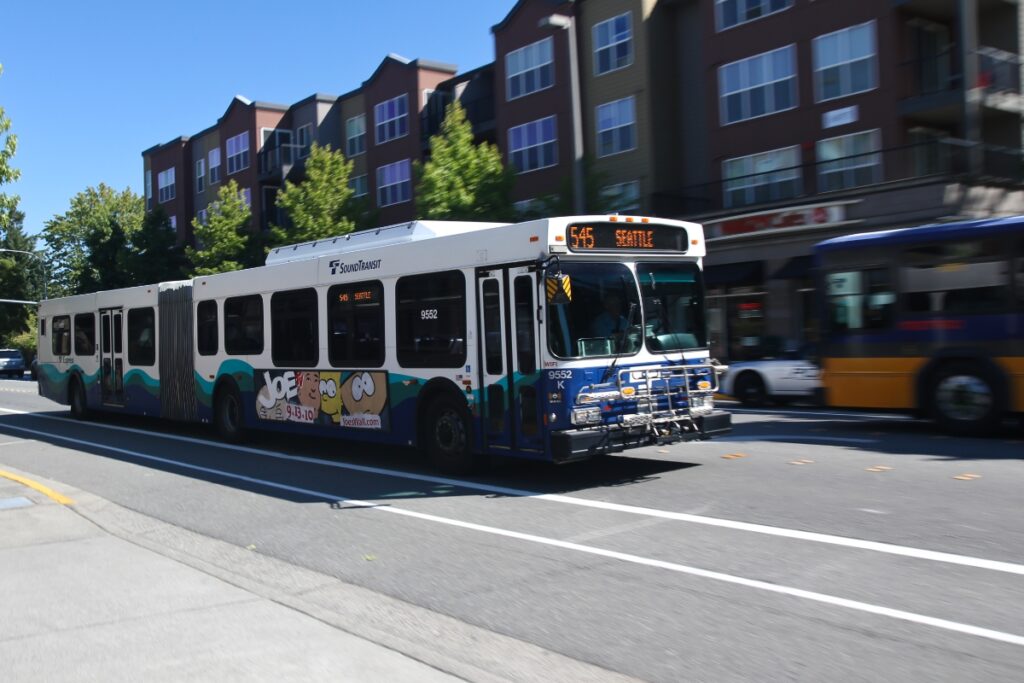
Day buses get stuck in the same traffic as everyone else. Rush hour and midday slowdowns can turn a three-hour ride into five real quick.
I’ve watched a simple coastal route turn into a parking lot just because we hit a city at lunchtime. No amount of planning saves you when a fender bender shuts down the highway at 2 PM.
Delivery trucks, school buses, random local traffic—all fighting for the same roads. Your driver can’t just take a shortcut when the whole region’s gridlocked. At night, roads are emptier; during the day, every delay stacks up and messes with your evening plans.
Disruption of Sleep Schedules

Day buses make you stay awake even when you’re wiped out. If you stayed up late the night before, you’re stuck fighting off sleep while sitting upright for hours.
You can’t really nap the way you might on an overnight bus. Bright sun, frequent stops, and all the noise keep you alert, even if you don’t want to be. Sometimes you end up more tired after a day bus than you would’ve been from a rough night ride.
This gets old fast on multi-stop trips. You’re running on less and less rest because you never get that recovery window an overnight bus gives you.
Choosing the Right Bus: Factors to Consider

Picking between night and day buses really comes down to three things: how well you sleep on the move, what you’re willing to spend, and where you’re actually headed.
Personal Comfort and Preferences

Let’s be real—not everyone can sleep on a bus. Some people are out cold as soon as the wheels turn, while others just stare at the ceiling all night.
If you need a real bed and total darkness, a sleeper bus might sound good. But even then, you’ll hear other passengers, feel every pothole, and deal with random stops at 3 AM.
Think about these comfort points:
- Can you sleep sitting up or squeezed in?
- Are you sensitive to noise, lights, or movement?
- Do you need easy bathroom access?
- Do you get motion sick (which can get worse at night)?
Day buses let you stay awake and enjoy the view. You can read, work, or chat with other travelers without feeling like you’re missing sleep. If the ride gets rough, at least you’re not trying to nap through it.
Budget Constraints

Night buses save you a night’s hotel bill—that’s their big appeal. But the math isn’t always so clear.
Sleeper bus tickets can cost way more than a regular day bus. Sometimes a lot more. You’ve got to compare the night bus fare to a day bus ticket plus a night in a hostel. In pricey cities, the night bus might win. In cheaper spots, you could end up paying more for a worse night’s sleep.
Quick budget breakdown:
- Day bus + hostel bed = $20-60 depending on where you are
- Night bus or sleeper bus = $30-80+ depending on route and perks
And don’t forget about lost time. If you’re wiped out after a rough night on the bus, you might spend half the next day recovering instead of exploring. That’s value lost, even if your wallet looks the same.
Travel Itinerary and Purpose
Your schedule matters more than you’d think. A bus tour runs on a set clock, and picking night or day travel shapes your whole trip.
Night buses are great when you’re just moving between places you’ve already seen. Leave at 11 PM, arrive at 7 AM, and you get a full day at your new spot. But you’ll miss any scenic routes—kind of a bummer if you’re passing through mountains or along the coast.
Business travelers often go for night buses to save their days. Backpackers on tight schedules do the same. But if you’re on vacation and the journey itself matters, day travel makes more sense. You paid for the view, right?
See Related: Packing Tips for Bus Journeys: Clever Hacks for Comfy Travel
Frequently Asked Questions
Night and day buses both have their trade-offs—comfort, cost, and how you spend your travel time. Your choice depends on whether you want scenery and a smoother journey or if you’d rather save your daylight hours for other stuff.
What are the advantages and disadvantages of traveling by night bus compared to day bus?
Night buses let you travel while you sleep, so you roll into your destination in the morning without burning a whole day on the road. You also save a night’s hotel cost. But sleeping on a bus isn’t always easy—road noise, bumps, and seats that never recline quite enough can make for a rough night.
Day buses let you actually see the landscape as you go. You get mountain views, coastal scenes, or endless desert instead of, well, darkness. Arriving during the day also makes stations easier to navigate—everything’s open and well-lit.
The downside of day travel? You lose hours you could spend exploring. If you’re on a tight schedule, that stings.
Night buses have their own risks. Driver fatigue is a real thing on overnight routes, and the risks go up at night when everyone’s fighting their natural sleep cycle.
Are overnight sleeper buses more economical than daytime buses?
Night buses look like the budget pick at first. You skip a night’s accommodation, which can mean real savings in expensive cities or peak season.
But it’s not always so simple. Night buses often cost more because they have reclining seats or bunks. And if you arrive at 5 a.m., you might still need to pay for an extra night at your hotel since check-in isn’t until later.
There are hidden costs, too. If you can’t sleep well on the bus, you’ll probably need to nap the next day instead of exploring—so you’re not really gaining anything. Some folks end up buying coffee, meals, or even a day room just to recover from a bad night’s ride.
Day buses use up daylight, sure, but they don’t leave you exhausted and out of it. The “free accommodation” idea for night buses only really works if you’re a solid sleeper and your schedule fits overnight travel.
What are the best seat options for long-haul travel on buses?
The middle of the bus usually gives you the smoothest ride. Seats over the rear axle bounce around more, and the very front seems to hit every pothole. If you get motion sickness, I’d stay away from the back completely.
Window seats are great if you want to control the view or have a wall to lean on when you’re trying to sleep. Aisle seats give you more legroom and make bathroom trips way easier—super important on a 12-hour ride. But, yeah, people will bump into you as they walk past, and there’s nowhere comfy to lean.
On overnight buses, the seats that recline the most are usually in the middle or toward the back—just not the very last row, since that one often doesn’t recline at all because of the rear wall. If the company lists seat pitch and recline angle, it doesn’t hurt to ask before you book.
Exit row seats sometimes give you extra legroom, a bit like on planes. Just make sure you’re cool with the slight responsibility of sitting there, even though no one really checks on buses.
How can one comfortably endure a bus journey that lasts over 24 hours?
Bring layers. Buses love blasting the AC at night, and you’ll freeze if you only packed shorts and t-shirts. Toss in a hoodie or light jacket—it makes a big difference and works as a pillow if you fold it up right.
Pack snacks you actually like. Bus station food is overpriced and usually not great.
Nuts, dried fruit, crackers, and chocolate bars travel well and don’t need a fridge. Skip really salty stuff or you’ll just end up thirsty with no good water source.
Download entertainment before you get on. Bus Wi-Fi is usually slow or just doesn’t work, no matter what the ticket says. Load up your phone or tablet with podcasts, ebooks, or movies so you’re not stuck staring at the seat ahead of you for hours.
Move around at rest stops. Your legs will go numb if you sit for 24 hours straight. Walk around the parking lot, stretch a bit, and hit the bathroom even if you don’t think you need to. It’s better than waiting in line when the bus is about to leave.
A neck pillow helps, but only if you pick the right one. Those U-shaped ones work for some folks and feel useless to others. Try yours before you go so you know if it’s worth bringing.
What should passengers expect when booking a sleeper bus experience?
Sleeper buses aren’t train berths. You’re getting a seat that reclines a lot—maybe almost flat—but it’s not a real bed. You’ll still feel every bump and turn in the road.
Some sleeper buses, especially in Asia or South America, have actual bunk-style berths. These give you a bit of privacy with curtains, but they’re narrow and you can hear everything around you. If you’re tall or broad-shouldered, fitting comfortably might be a stretch.
Bathrooms on sleeper buses are tiny and, after ten hours, usually not in great shape. Bring hand sanitizer and toilet paper just in case. Some companies skip the onboard bathroom altogether and just rely on scheduled stops.
Temperature control is a gamble. The driver sets the thermostat, and what feels good to them might leave you shivering or sweating. There’s usually no way to adjust it yourself—so, yeah, layers matter.
Don’t count on meal service. Most sleeper buses stop once or twice so you can buy food, but they rarely provide anything onboard besides maybe a bottle of water. If you have dietary restrictions or you’re watching your budget, plan ahead.
What safety considerations should travelers be aware of when taking a night bus?
Stick with companies known for solid safety records. Dig into online reviews—focus on mentions of accidents or sketchy driver behavior, not just people griping about uncomfortable seats. Look for companies that use GPS tracking and actually rotate their drivers, since that usually means they’re taking safety a bit more seriously.


