I’ve spent years riding overnight buses across dozens of countries, and honestly? Taking an overnight bus usually runs you $20-100 per trip, and that covers both getting there and your night’s sleep. Compare that to paying $50-150 for a hotel room, plus $30-200 for separate daytime travel. That’s a chunk of change back in your pocket, especially if you’re trying to squeeze every last drop out of your travel budget.
But let’s not kid ourselves—the savings aren’t always as simple as they look on paper. What are you really getting for your money? With an overnight bus, you skip the hotel bill and show up at your destination (sort of) ready to go. A hotel gives you a real bed, a shower, and maybe some actual rest. The math shifts depending on your route, timing, and whether you can actually sleep on a bus.
This decision isn’t just about dollars. It’s about comfort versus savings, those sneaky extra costs like arriving before sunrise, and whether you can actually sleep sitting up. Let me lay out the real numbers and trade-offs so you can figure out what’s right for your next trip.
Key Takeaways
- Overnight buses save money by rolling transport and accommodation into one bill
- Total cost depends on route, booking timing, luggage, and how much you value comfort
- Watch out for hidden costs: early arrivals, rough sleep, and missing showers
Core Cost Comparison: Overnight Bus vs Hotel Stay

An overnight bus ticket usually costs $30-$80 for most trips, while a hotel room averages $100-$150 per night—plus whatever you pay to get there. The real savings come from overnight travel wiping out your accommodation expense while moving you forward.
Breaking Down Total Expenses
When you’re planning budget travel, you have to look at everything you spend. A hotel isn’t just the room rate. You’re also paying for transport—maybe a flight, a rental car, or a daytime bus ticket.
Let’s get specific. Say you’re going from New York to Washington, D.C. An overnight bus runs about $40-$60. Compare that to a daytime bus or train ($30-$50) plus a hotel room ($120-$180). Suddenly you’re at $150-$230 for the classic option.
And don’t forget the little things: meals, snacks, and those surprise costs. With overnight buses, you can pack your own food and save there too. Hotels often stick you in neighborhoods where you spend more on food or rideshares just to get around.
Luggage is easier, too. Most overnight bus companies let you bring a big suitcase (up to 50 pounds) plus a carry-on for free. Try that with a budget airline and see what happens.
Accommodation Savings Explained
The best part about overnight travel? You’re sleeping while moving. That’s one less hotel bill—huge for anyone watching their wallet.
If you’re bouncing between three or four cities, every overnight bus is a hotel night saved. That could be $300-$600 back in your pocket over a week.
And it’s not just about the money. Overnight buses buy you time. You leave one city at night, wake up in another, and hit the ground running. No wasting daylight hours sitting in transit.
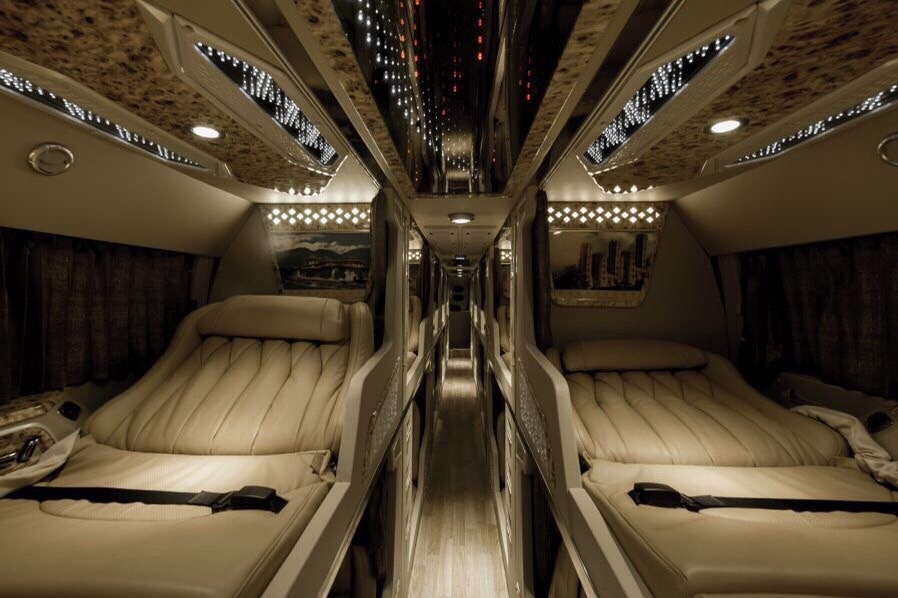
Some overnight buses even have luxury options—lie-flat seats, WiFi, the works. It’s not a five-star hotel, but it’s a lot more comfortable than you’d expect for the price.
Real-World Price Examples
Let’s run through some actual routes. The New York to Boston overnight bus is $45-$70. A Boston hotel? $150-$200, plus $40-$80 for a daytime bus or train.
Traditional Travel:
- Daytime transport: $60
- Hotel: $175
- Total: $235
Overnight Bus:
- Overnight bus: $55
- Total: $55
That’s $180 saved in one shot.
For international trips like New York to Montreal, overnight buses cost $60-$90. If you go the hotel route ($130-$180) and add daytime travel ($70-$100), you’re at $200-$280. The bus? Still under $100.
Dallas to Houston tells the same story. Overnight bus: $35-$50. Hotel plus travel: $140-$200.
Key Factors Impacting Costs

Bus fares and hotel rates jump around based on when you book, where you’re headed, and what extras you end up needing. Knowing how these change helps you budget smarter and avoid nasty surprises.
Bus Ticket Variability and Booking Tips
Night buses usually cost $30 to $80, though luxury services can go $100 or more. Prices depend a lot on route popularity and how early you book.
Major city routes fill up fast, especially on weekends and holidays. The best deals pop up 2-3 weeks ahead. Wait until the last minute and you might pay double, especially during busy seasons.
Luxury options—reclining seats, WiFi, power outlets—add $20-40 to your fare. Some companies have basic and premium tiers on the same route. Still, even a fancy overnight bus usually beats a budget hotel on price.
Traveling Tuesday or Wednesday? It’s often $10-20 cheaper than Friday or Sunday night. If you can be flexible, you save even more.
Hotel Pricing Fluctuations by Location and Season
Hotels change prices all the time. Average U.S. rate is about $137 a night, but that number’s honestly kind of useless.
Downtown hotels and places near big attractions charge a lot more. You might pay $90 in the suburbs and $200 for the same chain in the city. Peak seasons, holidays, or big events? Prices can jump 30-50% or more.
Off-peak times are your friend. Monday through Thursday usually costs less than weekends. Fewer tourists means better deals.
If most hotels are booked, the rest jack up their rates. It’s just supply and demand doing its thing.
Hidden Costs to Consider
Both options come with extras that sneak onto your bill.
For overnight buses, you might need to buy meals since there’s no kitchen. Some travelers grab a day room or gym pass to shower the next morning, adding $15-30. If you overpack, you could pay luggage fees too.
Hotels love their extras: resort fees, parking ($20-50 per night in cities), WiFi charges. That minibar snack or room service breakfast? Ouch. Some even hit you with early check-in or late checkout fees.
Location matters. If your hotel is far from the action, you pay for rideshares or rentals. A night bus usually drops you right where you want to be, so you skip that morning commute cost.
Major Benefits of Choosing an Overnight Bus
Taking an overnight bus means you dodge a hotel bill and still get to your next stop, plus you actually have more time to explore when you arrive. The flexibility of bus travel makes last-minute trips doable, and plenty of popular routes run between major cities across the U.S. and beyond.
Time Efficiency and Maximizing Vacation Time
An overnight bus turns travel time into sleep time. Board in the evening, snooze through the ride, and wake up at your new spot ready to go.
If you fly during the day, those hours are gone. With a bus, you’re traveling when you’d be sleeping anyway. And honestly, buses skip all that airport hassle.
No two-hour trek to the airport, no security line, no waiting at the gate. Buses leave from city centers, so you can stroll up 15 minutes before departure. On arrival, you step off right downtown—no expensive cab from a remote airport.
Your vacation time feels longer when you aren’t burning daylight in transit. Overnight journeys basically hand you an extra day at your destination compared to daytime travel.
Flexibility and Spontaneity for Travelers
Bus ticket prices barely budge compared to flights, so you won’t get slammed for booking last-minute. That makes spontaneous trips way more realistic.
Companies like Megabus keep rates steady, no matter the demand. You can decide on Thursday to hit another city for the weekend and still snag a fair price. I’ve seen people save hundreds by picking the bus over a last-minute flight.
Luggage rules are friendlier, too. Most overnight buses let you bring a 50-pound suitcase plus carry-on for free. Your bag rides locked under the bus—no baggage fees, no lost luggage drama.
Popular Overnight Bus Routes
Several major U.S. routes offer regular overnight buses. New York City to Washington D.C. is one of the busiest, with multiple departures every evening.
Common U.S. Overnight Routes:
- New York City ↔ Boston
- New York City ↔ Baltimore
- Dallas ↔ Houston
- Washington D.C. ↔ Nashville
International routes connect U.S. cities with Canada, too. You can ride overnight between New York City and Montreal or Toronto, crossing the border while you sleep.
Outside the U.S., night buses are everywhere. Europe, Latin America, and Asia all have huge networks, and locals use them all the time. Some routes even have upgraded comfort that might surprise American travelers.
Comfort and Experience: Bus vs Hotel Night

Sleeping on a moving bus versus relaxing in a hotel is all about space, privacy, and how well you handle the ride. Buses give you reclining seats and the basics. Hotels offer a real bed and bathroom. The trade-offs hit your wallet and your schedule in different ways.
Seating, Sleeping, and Amenities on Night Buses
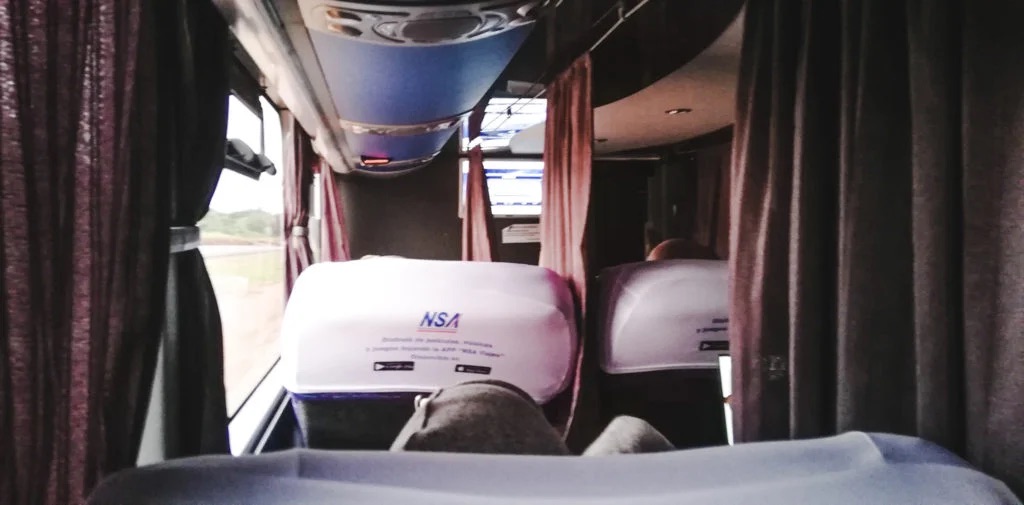
Your seat on an overnight bus reclines, but don’t count on stretching out like you would in a bed. Most standard buses have seats that lean back about 40 degrees, with legroom similar to economy class on a plane. You’ll be upright most of the night—that works for some, but others end up with a stiff neck by morning.
The onboard bathroom exists for emergencies, but it’s cramped—think airplane lavatory. Buses don’t stop much on night routes, so you won’t deal with constant interruptions from people getting on and off. That’s actually nicer than an overnight train, where stops can jolt you awake every hour.
Bring your own comfort items. An eye mask blocks out reading lights, and earplugs help with road noise and the occasional snorer. Some buses hand out blankets, but many don’t—double-check before booking.
Luxury Buses vs Standard Buses
Luxury buses really do change things. These upgraded rides have seats that recline nearly flat—sometimes they even convert to actual beds with privacy curtains. Japan kicked off this idea with individual sleeping pods, and now you can find similar setups on premium routes in the U.S. and Europe.
The price jump is noticeable but still cheaper than booking a hotel and separate transport. A luxury bus ticket might run $80-120, while standard service is more like $30-50. Stack that up against a $100 hotel and a $60 flight, and the bus still comes out ahead.
Standard buses do the job for shorter overnight trips (6-8 hours), but luxury buses make sense for those long hauls. If your route takes 10+ hours, your body will thank you.
Quality of Sleep and Restfulness
Honestly, you won’t sleep as deeply on a bus as you would in a hotel bed. That’s just how it goes. The constant motion, bumps, and upright position mean lighter, more broken sleep cycles.
But here’s the thing—I actually slept better than I expected on my first overnight bus. The gentle rocking helps some people drift off, and modern buses have smoother rides than you’d think.
Preparation makes a difference. Window seats let you lean against the wall. A neck pillow is a game-changer. And if you’re already tired when you board, you’ll probably fall asleep faster.
Hotels obviously win for sleep quality. Horizontal beds, quiet rooms, and climate control you can actually use—after eight hours in a hotel, you’ll feel more refreshed than after eight hours on any bus.
Safety, Security, and Practicalities
Choosing between an overnight bus and a hotel isn’t just about price. Safety and practical details matter, too. Knowing how to protect yourself and your stuff makes the cost savings worth it.
Staying Safe on Overnight Buses
Safety starts before you even buy your ticket. Dig into the bus company—read Tripadvisor reviews and see what other travelers say about specific routes. Some companies have better reputations than others, and you want to know which ones are solid.
Bus travel itself is pretty safe. Statistically, buses are among the safest ways to get around. Your personal safety, though, depends on your choices.
Keep valuables close—money belt under your clothes, wallet, passport, and cards tucked away. It’s not paranoia, just smart.
Stay alert at rest stops and don’t leave stuff unattended on the bus. Some travelers use little locks on their backpacks, but honestly, keeping your essentials on you is easier. If you’re solo, sit near the driver or in a well-lit spot where others can see you.
Luggage Handling and Personal Belongings
Overnight buses usually let you stash big bags underneath in locked compartments. Most companies let you bring one big suitcase (up to 50 pounds) plus a carry-on for free. Your checked bag stays locked under the bus, so you actually have less chance of losing it than on a flight.
Keep meds, phone charger, ID, money, and anything you can’t lose with you in the cabin. Pack a small bag with essentials like a toothbrush, change of clothes, and electronics.
Your carry-on should go under the seat or in the overhead bin. Don’t block the aisle. And don’t put anything irreplaceable in checked luggage—buses are reliable, but stuff happens.
Best Practices and Essential Gear
The difference between a miserable night bus and a decent one? What you pack. Earplugs or noise-canceling headphones help with the noise. An eye mask blocks light. A neck pillow makes a huge difference.
Bring a light blanket or big scarf—buses get cold, even in summer. Dress in layers. Slip-on shoes are handy so you can kick them off without wrestling with laces in tight spaces.
Download movies, podcasts, or books before you board—wifi is iffy at best. Bring snacks and an empty water bottle to fill at rest stops.
Set a phone alarm for about 30 minutes before your stop. You don’t want to miss it, and bus announcements can be hard to catch. Keep a portable battery pack handy for your phone.
Alternative Overnight Options and Comparative Insights
Overnight transport isn’t just buses—trains are another option, and the best pick depends a lot on where you’re going and what matters to you. Sometimes, honestly, neither beats a traditional hotel stay.
Overnight Trains Versus Buses

Overnight trains usually cost more than buses but include a bed or sleeper compartment in the price. On many routes, you get an actual bed, while buses mostly offer reclining seats. The price gap can be big—a sleeper train ticket might run $80-150, while an overnight bus on the same route could be $30-60.
Trains give you a smoother ride, so sleeping is easier. You won’t feel every pothole or deal with constant braking. Most overnight trains also get you there faster, shaving hours off your trip.
Buses, though, win on flexibility. There are more overnight bus routes, especially where trains don’t go. Bus stations are often in city centers, so it’s less hassle getting to your final stop once you arrive.
Comfort comes down to what you’re willing to pay. A train’s sleeping berth beats a bus seat, no question, but the bus is half the price—and you save on lodging either way.
Regional Variations Worldwide
Southeast Asia and South America have huge overnight bus networks with surprisingly comfy sleeper buses. Places like Vietnam, Peru, and Argentina offer fully reclining seats or even flat beds on premium buses for reasonable rates. Europe leans toward overnight trains connecting major cities—though budget airlines are eating into that market.
India runs both options everywhere. Their overnight trains are legendary (and sometimes wild), while private bus companies run air-conditioned sleeper coaches between big cities. Australia’s distances make overnight buses common where trains don’t run.
In North America, overnight bus options have shrunk a lot. You’ll find a few routes, but the quality is hit or miss. Mexico still has decent overnight bus service with comfortable options between tourist spots.
Bottom line? See what’s actually available for your route before deciding.
When a Hotel Stay Makes More Sense
Sometimes, just book the hotel and don’t overthink it. If you’ve got back issues or really need proper rest before something important, a real bed wins every time. I’ve shown up to business meetings looking like I slept in a broom closet—lesson learned.
Short distances aren’t worth it. A 4-hour bus leaving at midnight just leaves you stranded at 4am, tired and with nowhere to go. Hotels make sense if you’re staying multiple nights—the per-night cost drops, and you get a real base for exploring.
Hotels are a better call if you’re traveling with young kids or older folks. Just having a bathroom makes it worth it. And if you’re hauling valuable gear or lots of bags, the security and convenience of a hotel room beats dragging everything onto overnight transport half-asleep.
Frequently Asked Questions
Overnight bus travel brings up a lot of questions about costs, comfort, and value compared to hotels. The price gap depends on your route, timing, and what extras you count in the total.
What are the typical price differences between overnight bus fares and hotel accommodations?
An overnight bus ticket usually costs $30 to $80 for most U.S. routes. Popular trips like New York to D.C. or Dallas to Houston fall in that range.
A budget hotel room averages $70 to $150 a night in most cities. Mid-range hotels are $120 to $200, and big cities or tourist spots cost even more.
It gets interesting when you add daytime travel. If you fly, you’re paying for airfare plus a hotel, which can easily hit $200 to $400 total. The bus covers both for one price.
How do cost comparisons vary between different regions for choosing overnight buses versus hotels?
Regional differences really shake things up. In Europe, overnight buses are everywhere and super cheap—sometimes $20 or $30 for popular routes. Hotels can be just as pricey as in the U.S., so buses are a better deal.
Asia has the widest range. Basic sleeper buses go for $15 to $40, while luxury lie-flat seats might be $60 to $100. Hotels range from $20 hostels to $100+ mid-range spots.
Latin America is famous for value buses. You can get a good seat for $25 to $50, and hotels in smaller cities might cost $30 to $60. The bus still wins because you’re moving while you sleep.
What additional expenses should be considered when choosing between an overnight bus ride and a hotel stay?
Your luggage rides free on most buses, usually up to 50 pounds plus a carry-on. Hotels don’t charge for bags, but getting yourself and your stuff to the hotel from the airport or station costs extra.
Food can get tricky. Bus stations usually have cheap food nearby, and you can bring snacks. Hotels might include breakfast, but you pay for that in the room rate. Airport food? That’s just daylight robbery.
Getting to your departure point matters. Buses leave from city centers, so you might just hop on the subway or grab a quick taxi. Airports are often far out, meaning $30 to $60 in rideshare or taxi each way.
Which option provides better value for money, an overnight bus or a hotel, for a traveler on a budget?
If you’re on a budget, overnight buses almost always win. You get transport and a place to sleep in one ticket, and you don’t waste daylight hours you could spend exploring.The real value shows up in what you don’t spend.
No airport transfers, no hotel check-in fees, no overpriced meals at the airport. More of your cash stays in your pocket for actual travel.
But if you absolutely need to show up looking sharp for a meeting, a hotel might be worth the extra. Sleep quality does vary, and not everyone handles upright or semi-reclined sleeping well.
How do comfort and amenities compare between an overnight bus and a standard hotel room?
Modern overnight buses actually surprise a lot of people with how comfortable they can be. The seats recline pretty far, there’s usually decent legroom, and you get your own little bubble of space. Some of the fancier bus lines even have lie-flat seats—almost like flying business class, but for way less money.
Hotels, on the other hand, give you a real bed, your own bathroom, and plenty of room to stretch out. You can shower, toss your stuff everywhere, and just relax. If all-out comfort is what you’re after, hotels probably win.
The bus isn’t without its own perks, though. You get an onboard restroom, so you’re not left waiting like on some flights. No turbulence, no flight attendants nudging you awake for snacks, barely any stops. Plus, you skip the drama of noisy neighbors or paper-thin hotel walls.
Temperature control on buses? Honestly, it’s better than you’d expect. Sure, bring a light blanket just in case, but most buses keep things pretty comfortable. Meanwhile, hotel AC units can be a gamble—either you’re freezing or sweating, and sometimes there’s no in-between.