
Tour Overview
About
- E-Ticket
- 48 per person
Experience this amazing tour. Discover the local sights and sounds with our guided experience. Perfect for all types of travelers.
Key Features
Sightseeing, Local Guide
Leave a Review!
Other Top-Rated Tours in Stockholm
Explore Other Travel Guides & Reviews
Stockholm can feel like a lot to take in, especially if it’s your first time here. The city sprawls across 14 islands, and its museums, historic sites, and lively neighborhoods are sprinkled all over the place. That’s why grabbing a 72-hour hop on-hop off bus ticket just makes sense.
The 72-hour pass gives you unlimited access to Stockholm’s top sights on multiple routes, so you can explore at your own pace and skip the headache of puzzling out public transit or paying for taxis. You get audio guides in 11 languages, and you can hop off whenever something looks interesting. Honestly, this is the way I’d recommend seeing Stockholm, especially if you’re here for a long weekend.
The ticket covers about 15 well-placed stops near big sights like Gamla Stan, the Vasa Museum, and Djurgården island. Some companies even throw in boat tours, which, if you ask me, is hands-down the best way to see Stockholm’s waterfront.
Key Takeaways
- A 72-hour pass lets you ride as much as you want to all the main sights, with audio guides in 11 languages
- The ticket includes around 15 stops, and a full loop takes about 60-90 minutes
- You can bundle bus tours with boat rides and museum entries for a full Stockholm experience
What Is the 72-Hours Hop On-Hop Off Sightseeing Bus Ticket?
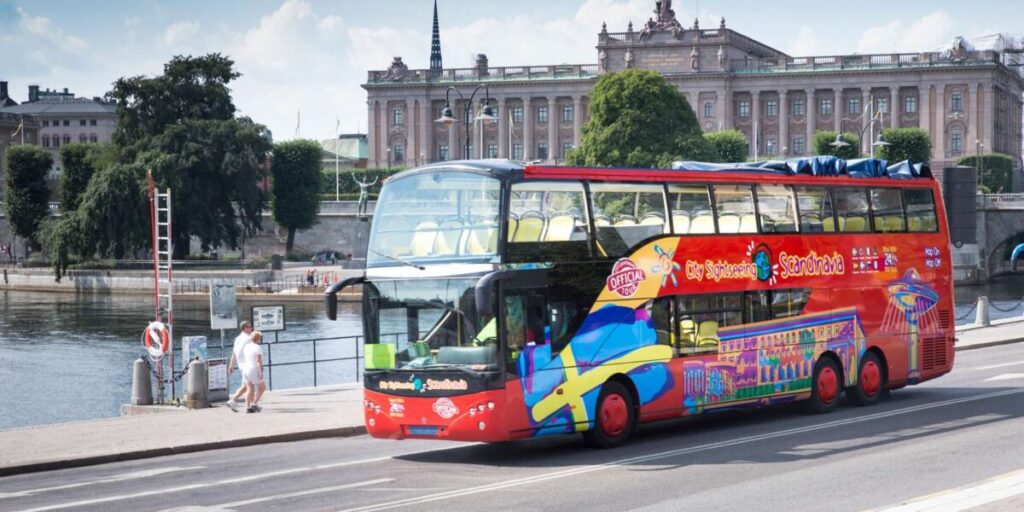
The 72-hour ticket gives you three days of unlimited rides on Stockholm’s sightseeing buses, making it easy to check out the city’s top attractions without juggling separate transit passes or complicated routes. It’s for travelers who want the freedom to see Stockholm on their own terms.
How the Ticket Works
When you buy a 72-hour hop-on hop-off ticket, it kicks in the moment you step onto any sightseeing bus in Stockholm. From there, you’ve got 72 straight hours to use it as much as you want.
Buses run along a fixed route with 15 or 16 stops around the city. You’ll find stops at the Royal Palace, Old Town (Gamla Stan), City Hall, and Djurgården island with its cluster of museums. Just hop off wherever you want, take your time, then catch the next bus when you’re ready to move on.
If you stay on for the whole loop, it takes about an hour. When cruise ships are in port, the route stretches to those terminals, so the loop can run 90 or even 120 minutes. During peak season, buses swing by every 20 to 30 minutes.
You’ll get earphones for the audio guides, available in 11 languages. They’ll fill you in on Stockholm’s history and architecture as you pass each landmark.
Who Should Buy the 72-Hour Ticket
This ticket’s great if you’re in Stockholm for two or three days and want to see a lot without rushing. It’s a solid pick for first-time visitors who aren’t up for navigating the city’s public transit.
Families with kids love it since you don’t have to juggle a bunch of tickets or drag tired kids between sights. Some companies offer family packages for two adults and a couple of kids at a set price.
Cruise passengers with a full day or more in port also find it handy. The buses park right outside the terminals at Stadsgården and Frihamnen, so you can start exploring right after you step off the ship.
If you like to linger at museums or take your time at restaurants, the 72-hour pass gives you that freedom. There’s no need to cram everything into a single day.
Comparison with 24-Hour and Other Ticket Options
The main alternative is the 24-hour pass, which is cheaper but only good for one day. That’s fine if you’re just passing through or want a quick city overview.
But honestly, Stockholm’s packed with things to see, and a single day doesn’t do it justice. The 72-hour ticket costs a bit more, but the daily price usually works out better if you’re staying more than a day.
Some companies also bundle the bus with entry to places like ABBA The Museum or Avicii Experience. Those combo deals can save you a bit compared to buying everything separately.
The hop-on hop-off service covers both the green Stromma buses and the red City Sightseeing buses. Your ticket works on both, so you’ll wait less at each stop.
Key Features and Benefits of the 72-Hour Pass
The 72-hour pass lets you spend three days exploring Stockholm’s historic streets and waterfront spots without stressing about schedules or routes. You get access to multiple bus lines, commentary in your language, and some surprisingly comfy amenities that make sightseeing less exhausting.
Unlimited Rides and Flexibility
Your pass covers all routes for a full 72 hours from your first ride. You can hop off wherever you want, wander for as long as you like, then catch another bus when you’re ready.
Buses run in loops, so you’re never waiting too long. During busy times, they show up every 15-20 minutes on the main lines. If you decide to spend extra time in Gamla Stan’s winding alleys or relax with a fika by the water, you don’t have to worry—your pass still works.
This flexibility is super helpful in Stockholm, where distances between sights can be deceiving. Walking from Djurgården to City Hall looks short on a map, but your feet might disagree. The hop-on hop-off bus saves your energy for actually enjoying the attractions, not just getting to them.
Audio Guides and Multilingual Options
Each bus has recorded commentary in 10+ languages through headphones at your seat. The narration points out landmarks as you pass and shares bits of history and trivia you’d probably miss otherwise.
The Stockholm commentary covers everything from Viking lore and Nobel Prize stories to ABBA’s legacy. You’ll find out why certain buildings look the way they do and which royals lived where. It’s like having a guide—minus the awkward group tour vibe.
You can also grab a printed route map in your language when you board. The maps show every stop, so it’s easy to figure out where to hop off for specific sights.
Free Wi-Fi and On-Board Comforts
Most buses offer free wi-fi, so you can check restaurant reviews, look up museum hours, or share photos without burning through your data. The connection’s fine for browsing and messages, but don’t expect to stream Netflix.
The upper deck is open-air in summer, which is perfect for snapping photos of Stockholm’s skyline. When it gets chilly (which, let’s face it, happens a lot here), you can sit on the heated lower deck with big windows.
Many seats have USB charging ports—honestly a lifesaver when your phone’s running low and you need maps or tickets. Buses are wheelchair accessible too, with spots on the lower deck.
Top Hop On-Hop Off Bus Routes and Stops in Stockholm

The Stockholm hop-on hop-off system covers about 15-16 stops that link you to the city’s biggest attractions. You’ll find stops near historic neighborhoods, museums, and waterfront areas, making it easy to explore the Swedish capital without hassle.
Route Maps and Popular Circuits
The main loop starts at the Royal Swedish Opera and circles central Stockholm in about 60 minutes if you don’t get off. When cruise ships are in town, the loop stretches to Frihamnen or Stadsgården, so it can take up to 90-120 minutes.
Both green and red buses cover the same route, so you get more frequent service all day. The buses wind through different city areas, from the medieval lanes of Gamla Stan to the museum-filled Djurgården and the hip Södermalm district.
You can track the buses live on a map, which helps you plan your stops. With a 72-hour ticket, you’ve got time to ride the full loop more than once and see how neighborhoods change throughout the day.
Major Attractions Along the Route
Gamla Stan is a favorite stop, packed with narrow cobblestone streets and colorful old buildings. The Royal Palace is right there, and Parliament House is just a short walk away.
Djurgården island is a museum hotspot, with the Vasa Museum, ABBA Museum, and Nordiska Museet all nearby. Gröna Lund amusement park and Skansen open-air museum are also on the island, giving you a taste of Swedish history and culture.
Stockholm City Hall, home of the Nobel Prize banquet, has its own stop. The bus also drops you near Naturhistoriska museet and makes it easy to book tours and tickets for deeper dives into specific sites.
Convenient Stops for Cruise Passengers
The sightseeing bus waits right outside both major cruise terminals while your ship’s in port. You can start exploring within minutes of getting off the ship, no extra transport needed.
Stadsgården and Frihamnen terminals both get full bus service. If you dock in Nynäshamn, staff sell tickets on the spot.
For two-day port stays, buses show up early for pickup. You don’t waste precious time figuring out public transit or arguing with taxi drivers.
Must-See Attractions Accessible with Your 72-Hour Ticket
Stockholm’s hop-on hop-off buses stop at the city’s most famous sights, so you get easy access to maritime history, medieval streets, open-air museums, and pop culture landmarks that really define this city.
Vasa Museum
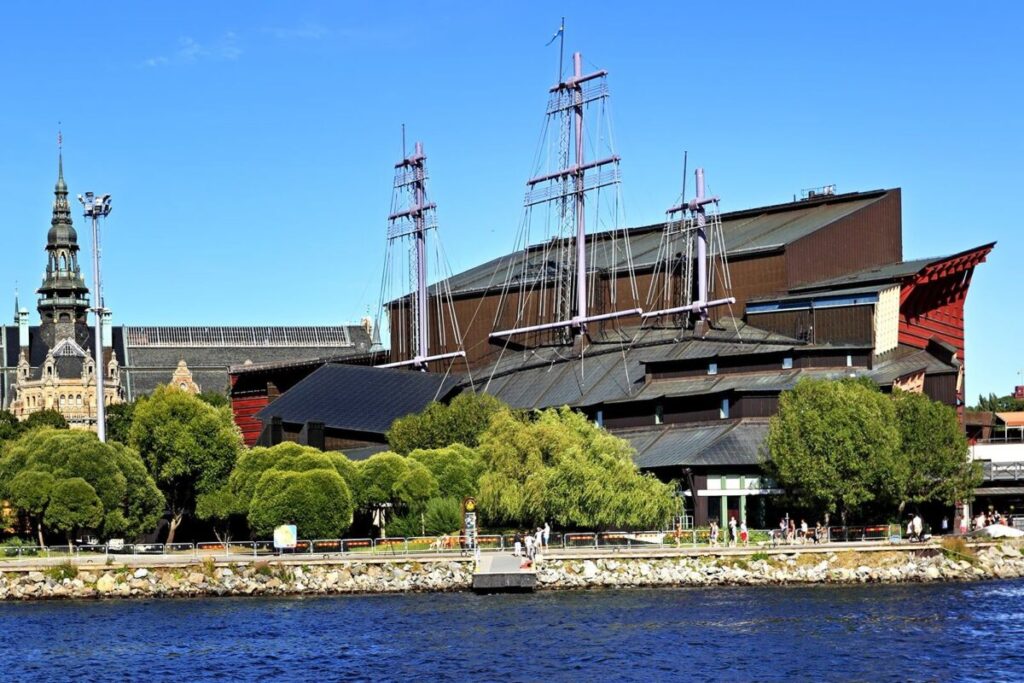
The Vasa Museum showcases a 17th-century warship that famously sank on its maiden voyage in 1628 and then spent 333 years at the bottom of the sea before being salvaged. This isn’t just any boat display—the Vasa is the only preserved ship of its kind anywhere, standing nearly intact with its original wooden carvings and ornate decorations.
The museum sits on Djurgården island, and most hop-on hop-off routes drop you right outside. The ship itself dominates the museum’s interior. You can circle it on several levels, getting a look at everything from the gun deck to the lavish stern. They explain why it sank (yeah, it was top-heavy) and show off artifacts pulled from the Baltic seabed.
Give yourself at least 90 minutes here. If you want the full story behind this naval flop-turned-treasure, the guided tours in English are actually pretty engaging.
Gamla Stan

Gamla Stan is Stockholm’s old town—an island right in the center, with winding cobblestone streets that go all the way back to the 1200s. The buildings lean into each other, painted in gold, rust, and copper hues that look especially striking when the sun decides to cooperate.
Key spots include:
- Stortorget: The main square where the Stockholm Bloodbath happened in 1520
- Royal Palace: One of the largest palaces in Europe, still used by the Swedish monarchy
- Storkyrkan Cathedral: Stockholm’s oldest church with a famous wooden statue of St. George and the Dragon
The alleys here are genuinely maze-like; getting a bit lost is half the fun. You’ll stumble on tiny cafes, antique shops, and those impossibly narrow streets that make you wonder how anyone got a carriage through them. Winter is especially atmospheric when snow dusts the rooftops, but in summer, you can finally sit outside at a restaurant without freezing.
Skansen and Open-Air Sights

Skansen opened in 1891 as the world’s first open-air museum, showing off Swedish life through relocated historical buildings from all over the country. It’s huge—about 75 acres—and combines museum exhibits with a zoo full of Nordic animals like moose, bears, and wolverines.
The historical section has farmsteads, workshops, and a full town quarter. Costumed interpreters demonstrate old crafts—maybe glass-blowing, traditional baking, or leatherwork, depending on the day. The zoo animals roam in enclosures that actually look like their real habitats, which is a win if you’re traveling with kids.
Skansen sits on Djurgården, just like the Vasa Museum. You can hit both in one day, but honestly, there’s enough here to fill an entire afternoon—especially in summer when you catch outdoor folk dancing or grab fika at the cafes.
ABBA Museum

The ABBA Museum celebrates Sweden’s most famous pop group with interactive exhibits. You can try on virtual costumes, mix songs in a replica of Polar Studios, and even “perform” alongside holographic band members. It’s definitely touristy, but if you have any love for 70s pop, it’s a blast.
Sing along to “Dancing Queen” in a soundproof booth (no shame, nobody hears you), and check out loads of actual memorabilia—original costumes, gold records, even handwritten lyrics. The museum goes beyond just catchy tunes and shows ABBA’s impact on music history.
It’s on Djurgården near Skansen, and you’ll probably want about 90 minutes here. Admission is pricier than some other museums, but the interactive bits make it more engaging than just looking at stuff behind glass.
Unique Experiences: Combine the Bus with Sightseeing by Water

The 72-hour pass lets you see a different side of Stockholm if you mix land routes with water legs. Honestly, this is where the city really shines. You’ll catch angles and perspectives you just can’t get from ground level.
Stockholm from the Water: Bus and Boat Combos
The combined bus and boat approach just makes sense here—Stockholm is spread across 14 islands, all stitched together by over 50 bridges. Your 72-hour ticket usually covers both the hop-on hop-off buses and certain boat routes, so you’re not paying twice.
Start your day on the bus to get a feel for the city layout and main sights. Around midday, switch to a boat when the light hits the water right. Boats typically run from central spots like Nybroplan or near City Hall, connecting you to island highlights like Djurgården.
Buses run more frequently in the morning (every 15-20 minutes), while boat schedules are a bit looser and depend on the weather or season. With the 72-hour window, if you miss a boat, just catch a bus and loop back later. No big deal.
Iconic Sights from a Boat Perspective
Seeing Gamla Stan from the water just hits differently. The colorful buildings along Strandvägen look good from the street, but from a boat, you realize the waterfront was built to impress.
The Royal Palace seems bigger and more imposing from below. Same thing with City Hall—that tower you see on every postcard finally makes sense when you float up to it from the harbor.
Djurgården is another winner from the water. You can hop off right at the Vasa Museum or near Skansen, and it’s way easier than dealing with traffic or parking. Plus, the boat ride itself takes you under bridges and through narrow channels, giving you a mini-archipelago vibe without leaving the city.
Photogenic Spots You Can’t Miss
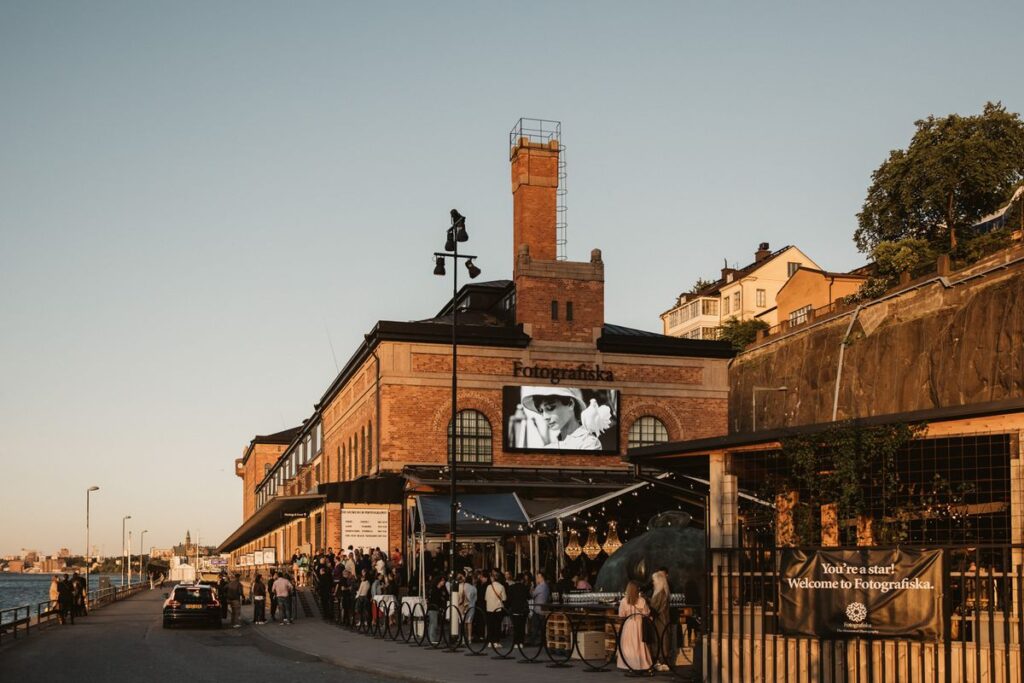
Fotografiska sits right on the waterfront in Södermalm, and it’s a perfect stop for a bus-boat combo day. Take the bus there in the morning, check out the photography exhibits, then grab a boat from the nearby dock to keep exploring.
The cafe at Fotografiska has huge windows facing the water, so even your coffee break turns into a photo op. From the outdoor terrace, you’ll get both the Baltic shoreline and city skyline in your shots.
For the best photos from the boat, sit on the right side heading toward Djurgården from downtown. You’ll pass the Grand Hotel and the Royal Palace with great morning light. Keep your camera ready when the boat slides under Djurgårdsbron—the bridge frames the view perfectly.
Tips for Making the Most of Your 72-Hour Hop On-Hop Off Experience
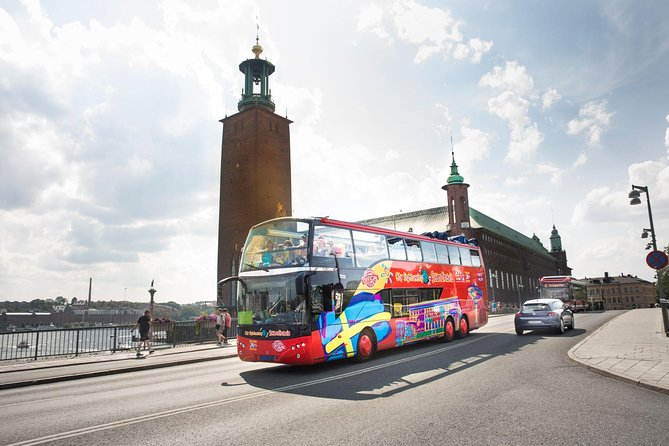
With a 72-hour ticket, you’ve got three full days to explore Stockholm. A little planning helps, though. Knowing when to ride, how to move with your group, and where to find deals can save you time and money while you bounce around the city.
Best Times to Ride and Avoid Crowds
Early morning is your secret weapon for skipping crowds. If you hop on around 9 AM, you’ll score a window seat and actually hear the audio guide without everyone else talking over it.
Mid-afternoon between 2-4 PM is another quiet spell. Most tourists are eating lunch or already deep into some attraction, so buses aren’t as packed.
Try to avoid 10:30 AM to 12:30 PM. That’s when tour groups and cruise passengers swarm the system, and you might be stuck standing for the whole loop. Weekend mornings get busier than weekdays, especially in summer.
Buses come every 30-45 minutes, so don’t stress if one’s too crowded. Wait for the next and grab a coffee. In winter (November–March), you’ll pretty much have the bus to yourself—just bundle up, because Stockholm gets seriously cold.
Family and Group Travel Suggestions
The Family Ticket is honestly one of the best deals in Stockholm for anyone with kids. Two adults and 2-4 children get unlimited rides for one price, which is way better than buying singles.
If you’ve got young kids, sit on the lower deck. The upper deck sounds fun, but it’s open-air and kids get cranky when they’re cold or can’t see. Plus, you’re closer to restrooms at major stops.
Use the bus as your personal shuttle for family-friendly stops. Hop off at Djurgården for Gröna Lund or Skansen, then catch a later bus back when everyone’s wiped out.
For groups, pick one person to track the bus on the live map (it’s on their site and shows real-time locations). It saves you from the endless “should we wait or walk” debate that every group has.
Discounts, Deals, and Pass Inclusions
Your 72-hour ticket covers both the green Hop On-Hop Off buses and the red City Sightseeing buses, so you’ve got double the options. Not everyone knows this, so don’t just wait for a certain color—grab whichever comes first.
Look for combo tickets before you go. The bundles with the hop-on hop-off bus plus ABBA The Museum or Avicii Experience usually save you 15-20% over buying separately. You can book these online in advance.
The audio guide comes in 11 languages, so grab headphones when you board. Sometimes they run out in peak season, but if you ask the driver, they’ll usually find you a pair.
If you’re coming by cruise ship at Stadsgården or Frihamnen, the buses pick up right outside—no extra shuttle required. That alone saves you a pricey taxi ride (Stockholm taxis aren’t cheap).
Frequently Asked Questions
The 72-hour bus ticket gives you flexibility in Stockholm, but pricing depends on how you buy and some routes hit spots most tourists never see.
What are the cost differences for the 72-hour sightseeing bus ticket when purchased online versus in person?
Buying online usually saves you about 10-15% compared to grabbing a ticket from staff at bus stops or cruise terminals. The online discount isn’t always advertised, but it’s one of those travel hacks that add up when you’re budgeting.
Most operators also throw in free cancellation up to 48 hours before your date if you book online. That flexibility alone makes online booking worth it, especially if your plans might change.
Can you provide insights on the most economical options for multi-day sightseeing in Stockholm?
The 72-hour ticket is a much better deal than buying several 24-hour passes if you’re staying more than a day. You get unlimited rides on both green and red buses, so you basically double your route options.
Family tickets give you fixed pricing for 2 adults and 2-4 kids, which is cheaper than buying singles. And honestly, if you’re traveling with kids, having a predictable cost is a relief—Stockholm isn’t exactly cheap.
Combo tickets bundling the hop-on hop-off bus with museum entry—like ABBA The Museum or Avicii Experience—save you money versus buying separately. Those museums are pricey, so the bundle actually makes sense.
What hidden gems can be accessed along the Stockholm hop-on hop-off bus route?
Most folks make a beeline for spots like Gamla Stan and the Royal Palace, but honestly, the route sneaks in some quieter corners on Djurgården where locals actually hang out. The island’s walking paths and smaller museums often slip under the radar—kind of wild, considering how nice they are.
Some routes swing out to the cruise terminals at Stadsgården and Frihamnen. Sounds dull, right? But these waterfront areas hand you wide-open views of the archipelago. You can stand there without dodging tour groups like you would at City Hall.
The Stureplan stop drops you near quiet residential neighborhoods where Stockholmers go about their day. It’s a refreshing break from the polished tourist hotspots.
How does the hop-on hop-off bus service in Stockholm adapt its schedule to seasonal changes in the city?
The standard loop usually takes about an hour, but it stretches to 90 or even 120 minutes when cruise ships are in town. The buses tweak their routes to scoop up cruise passengers, so you’ll notice more frequent service to those terminals during cruise season.
In summer, buses run more often since daylight lingers and the city buzzes with visitors. When winter rolls in and darkness hits by mid-afternoon, they cut back on frequency—not surprising, really, since the crowds thin out too.
The Multi Destination Ticket, which covers 11 Nordic cities, only shows up in summer when cruise travel spikes. You won’t see it in the off-season, so if that’s on your wishlist, keep the timing in mind.
Are there lesser-known pick up and drop off points for the hop-on hop-off bus that offer unique perspectives of Stockholm?
The bus covers around 15 to 20 stops depending on the company, but honestly, some of them barely get a mention in brochures. Stops near Skansen drop you right at the open-air museum’s entrance—no need to trek over from the metro.
Cruise terminal stops aren’t just for cruise passengers. If you hop on there, you’ll get a waterfront view of Stockholm with way fewer people jostling for space compared to the Opera House stop.
On some routes, you’ll roll through areas where old stone buildings give way to modern Swedish design. Seeing that shift up close is way more interesting than you might expect—it’s like watching the city’s history unfold right in front of you.
Does the 72-hour hop-on hop-off sightseeing pass integrate any additional services or discounts on Stockholm attractions?
The buses have audio guides in 11 languages and free WiFi. It’s not exactly a game-changer, but it definitely helps when you’re figuring out your next stop. Some routes even add live commentary in several languages, though honestly, that’s hit or miss depending on the time of year and which bus you catch.
Your ticket covers both main bus brands in Stockholm—the green Stromma buses and the red City Sightseeing ones. It’s not a direct discount, but it does mean you get more departure times and different routes without shelling out extra cash.
If you’re after real savings, the combo tickets that include museum entry are where you’ll find them. The pass itself doesn’t really unlock extra deals at restaurants or shops along the way, unlike some city cards in other places.
Key Highlights & Inclusions
- ✓ Sightseeing
- ✓ Local Guide