
Landing on Maui can feel a bit overwhelming at first, but after plenty of trips, I’ve realized you actually have more ways to get around than you’d expect. The best way to explore Maui really hinges on your travel style—rental cars offer the most freedom for island-hopping adventures, while buses, shuttles, and rideshares work surprisingly well if you’re sticking to popular areas like Lahaina or Wailea. I’ve tried both, and honestly, each has its own vibe.
Maui’s public transportation has definitely improved over the years. The Maui Bus only costs $4 for a day pass and connects most of the main towns along the coast. But here’s the thing—buses can be slow, and if you’re hoping to catch sunrise at Haleakala or drive the winding Road to Hana, you really need your own wheels.
It all comes down to what you want out of your trip and where you’re staying. If you’re a beach bum parked at a resort, you might not need a car. But if you want to see every nook and cranny of the island? Renting one, even for just a couple days, is probably the way to go.
Key Takeaways
- Rental cars give you the most flexibility for exploring remote areas and scenic drives across Maui
- Public buses and shuttles work well if you’re on a budget and staying near tourist hubs like Lahaina and Kihei
- Mix it up—rent a car for some days, use rideshares or buses for others
Choosing the Best Way to Get Around Maui

Your transportation really depends on where you’re staying, what you want to see, and how you feel about navigating without a car.
Determining Your Maui Itinerary and Needs
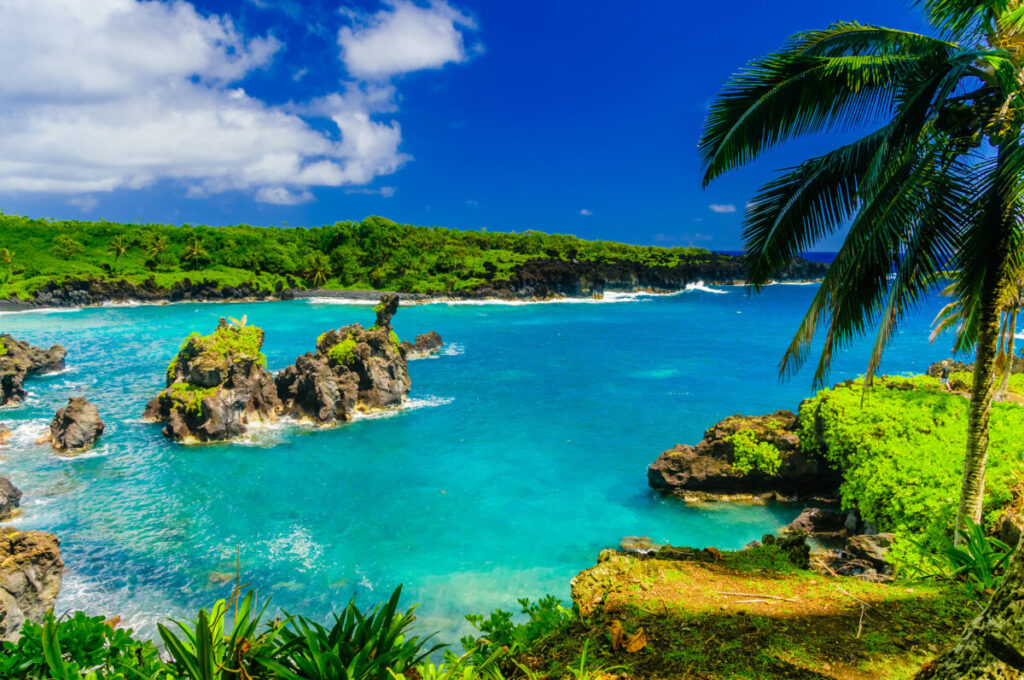
Start by mapping out what you actually want to do on Maui. If your plans include the Road to Hana, Haleakala sunrise, or hopping between beaches on opposite sides of the island, you’ll want reliable wheels. But if you’re settling in at a resort with maybe one or two adventures, you can get by without a car.
Location matters a lot more than people realize. Staying in Kihei or Ka’anapali puts you within walking distance of beaches, restaurants, and shops.
You can book organized tours for bigger adventures and use shuttles or rideshares for everything else. But if you’re staying somewhere like Napili or anywhere more remote, not having a car turns simple errands into a headache fast.
Be honest about your travel style too. Some people love spending a week at one gorgeous beach.
Others get restless if they’re not exploring every day. There’s no wrong answer, but knowing yourself helps you pick the right transportation.
Comparing Transportation Options

Rental cars give you total freedom but come with extra costs—parking, gas, and the stress of driving unfamiliar roads. Tour companies handle the driving and offer local guides, but you’re on their schedule. Public buses have limited routes and not-great schedules, so they’re not ideal for most visitors.
Rideshares and taxis are fine for occasional trips, but they get expensive fast if you use them daily. A ride from the airport to Wailea can easily cost $60-80. Bike and moped rentals are great for short distances, especially near resorts.
The Lahaina shuttle connects Ka’anapali to Lahaina, which is handy if you’re in that area. Kihei and Wailea don’t have similar shuttles, so you’ll rely more on paid rides.
Pros and Cons of Car-Free Travel

Skipping the rental car saves you money on fees and parking, and you won’t have to deal with tricky driving. Tours let you relax, and some experiences—like helicopter rides—just aren’t possible with a car anyway.
But let’s be real: you lose the freedom to change your plans or find hidden spots off the beaten path. Tours fill up quickly, especially in busy seasons, so you need to plan ahead. If you use rideshares or taxis for everything, costs can actually match or beat what you’d pay for a rental car.
Grocery shopping gets tricky without a car—you’ll either pay for delivery or haul bags in the heat. Plus, some of Maui’s best little beaches and food trucks are just out of reach unless you’ve got your own ride.
Renting a Car on Maui: Freedom and Flexibility
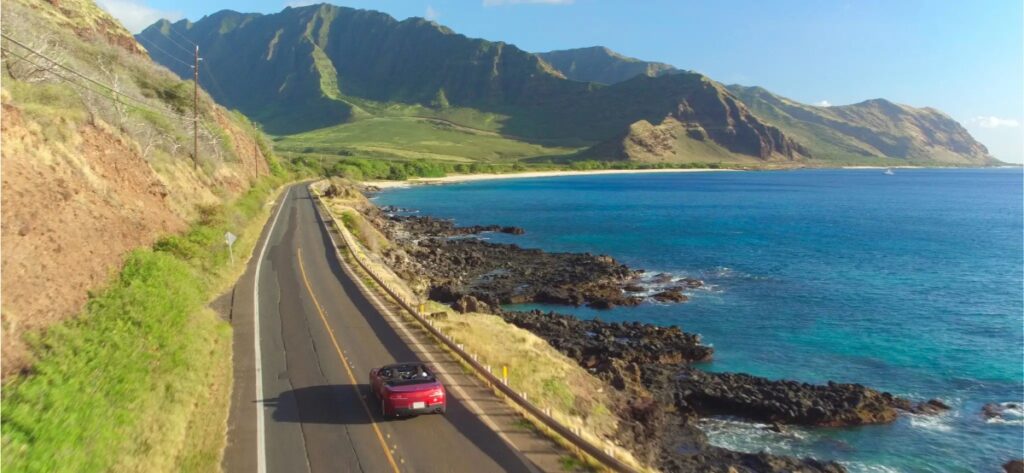
Renting a car puts you in control of your Maui adventure. You can hit remote beaches, drive the Road to Hana, and catch sunrise at Haleakala whenever you want. Book early, check out local rental options, and brush up on basic driving rules to make the most of your time.
Booking a Rental Car in Advance

Book your rental car weeks—or even months—ahead. Maui just doesn’t have enough rental cars for everyone, especially during busy seasons.
Prices jump around a lot. One day it’s $300 a day, the next it’s under $100. Keep checking prices before your trip.
Discount Hawaii Car Rental is a solid place to compare rates. They don’t need a credit card to hold your spot, so you can book now and cancel if you find something better.
Airport pickup usually gives you the most options. If those sell out, check rental locations in Wailea, Kihei, and Lahaina. Even having a car for a day or two opens up the island way more than just hanging at your resort.
Alternative Car Rental Companies

Local rental companies often have cars when the big chains are booked up. They’re smaller, so you can actually talk to a real person if you need help.
Some local options worth a look:
- Kihei Rent a Car (in Kihei)
- Kahului Auto Rentals
- Manaloha Car Rental (Wailuku/Kahului area)
- Maui Cruisers (Central Maui)
- Ohana Rent a Car
You could also rent a camper van from Maui Westy Campers or check Outdoorsy. These aren’t just for sleeping—they’re handy for day trips too, since you get a place to change or stash your beach stuff.
Local companies tend to be more flexible if your plans shift. And, honestly, it just feels good to support local businesses on Maui.
Parking and Driving Tips
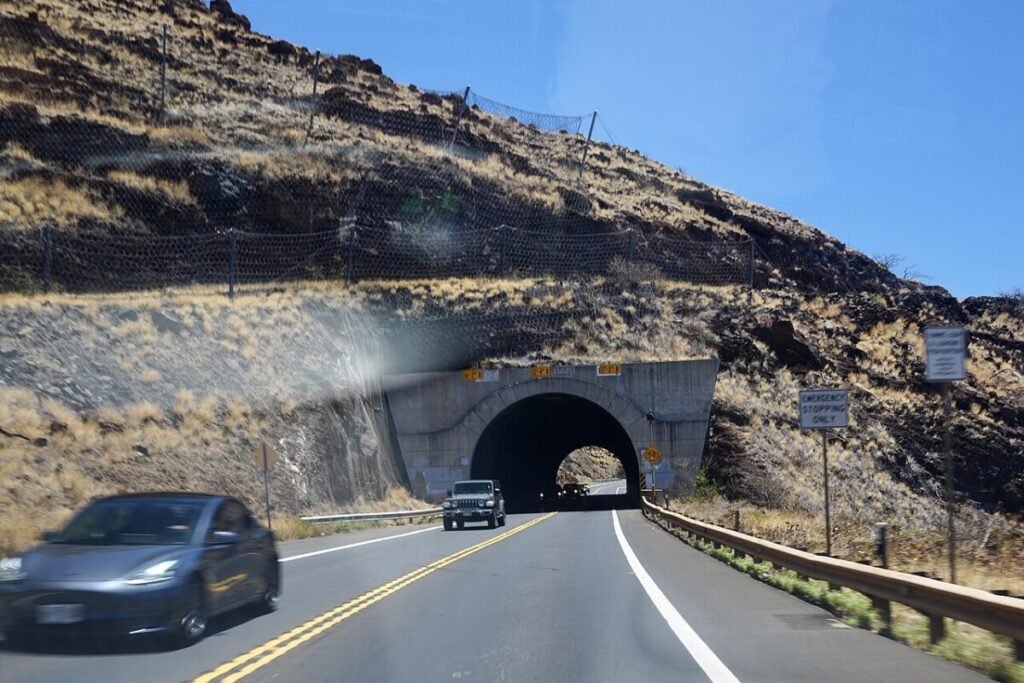
Most resorts charge for parking—sometimes $30 or more per day. Add that to your budget before you book a car.
Driving on Maui is pretty chill. Speed limits are lower than on the mainland—usually 25-35 mph through towns. On the Road to Hana, watch for one-lane bridges and yield to oncoming cars.
Gas stations can be few and far between. Fill up before heading to Hana or up Haleakala. Gas is pricier than the mainland, but that’s just how it is on the island.
Parking is free at most beaches and trailheads. Lahaina and Wailea have paid lots in shopping areas. For popular spots like Wailea Beach or Ka’anapali, get there early—parking fills up fast.
Don’t leave valuables in your car. Break-ins happen, especially at remote beaches and trailheads.
See Related: Best Bus Tours in Hawaii
Getting Around Maui Without a Car
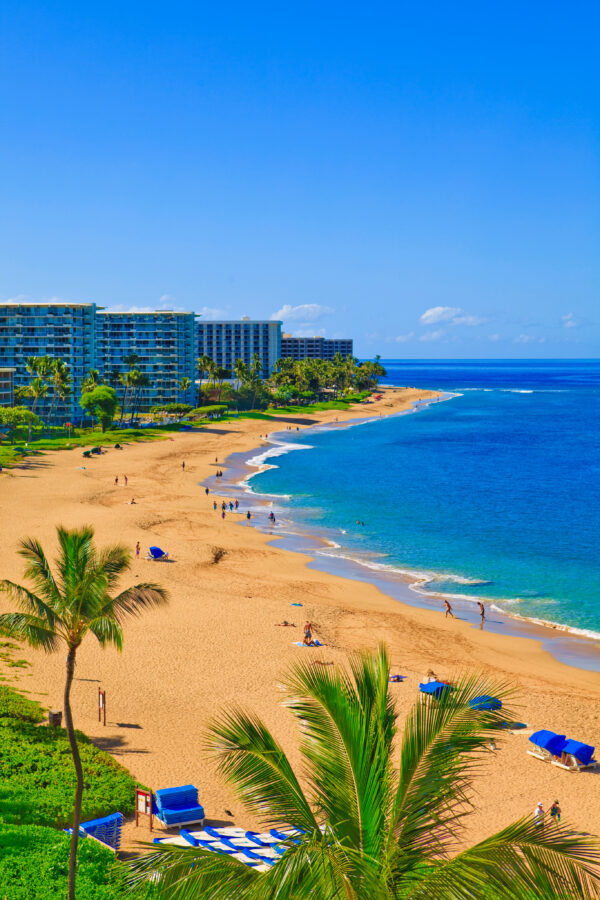
You can totally do Maui without a rental car if you pick the right home base and use the island’s shuttle network. Stay in walkable areas like Kaanapali or Kihei for easy beach access, and lean on complimentary hotel shuttles and the Lahaina shuttle to get around.
Staying in Walkable Locations

Where you stay makes all the difference if you go car-free. Kaanapali puts you steps from Whaler’s Village, several beaches, and restaurants. You can walk to Black Rock for snorkeling—no need for a car or taxi.
Kihei is similar. The town runs along the coast with plenty of beach parks, stores, and casual food you can walk to. I’ve seen people stay at condos near Kamaole Beach Parks and never feel stuck.
Wailea is more upscale, but the resort area keeps shopping and dining close. The beach path links several resorts and public beaches, so you aren’t trapped at one spot.
Lahaina (still recovering) used to offer the most walkable experience. If you book a place in town, you can walk to most activities.
Planning a Maui Trip Without a Rental Car

Planning ahead is key if you won’t have a car. Book your airport shuttle before you land—Roberts Hawaii runs shared shuttles starting around $19 per person to the main resort areas, which is way cheaper than a taxi.
Tour companies become your go-to. Road to Hana tours pick you up at your hotel, handle the crazy roads, and bring you back after a long day. Same for Haleakala sunrise tours—they’ll grab you at 2:30 am so you don’t miss a thing.
Use grocery delivery like Instacart if you’re staying in a condo. The delivery fee is still less than what you’d pay for a rental car during peak season.
Check if your resort has free activities or shuttles to nearby spots. Some Wailea places run shuttles to shopping or beaches.
Maximizing Resort Shuttles and Complimentary Transfers

The Lahaina shuttle links Kaanapali and Lahaina, running between Whaler’s Village and town. It’s free and saves you from a sweaty walk.
Your resort may offer more than you think. Many Kaanapali hotels run shuttles between properties or to Whaler’s Village. Some Wailea resorts provide rides to The Shops at Wailea. Ask the front desk—these perks aren’t always listed online.
Some boat tours, like Kai Kanani, include resort pickup for snorkel trips if you’re in South Maui. That saves you the hassle of arranging a ride to the harbor.
But don’t expect to reach upcountry Maui or remote beaches without a car. The Maui Bus is there, but routes are limited and the schedule doesn’t really match up with tourist plans. For the occasional trip, just rent a car for a day or two from a local company in Kihei or Wailea instead of booking for the whole week.
Public Transportation: Maui Bus System

The Maui Bus runs 12 routes across the island every day, linking main towns like Kihei, Lahaina, and Kaanapali. Fares start at $2, or free for some riders. The Islander routes are the most useful for visitors going between tourist areas and the airport.
Maui Bus Routes and Fares

The Maui Bus is more extensive than you’d probably expect for an island this size. It runs 12 routes, covering Central, South, West Maui, Haiku, Kula, and Upcountry. Buses run every day, holidays included—handy if you’re here during busy travel seasons.
One-way fare is $2. But here’s the cool part: folks 55 and up ride free with an ID, and students 24 and under get the same deal with proof.
If you’re planning to ride a lot in one day, a $4 day pass is worth it. Monthly passes go for $45.
In March 2024, the fare system shifted to let income-eligible riders and people with disabilities ride free on fixed routes. You’ll need to apply for those benefits with Maui Economic Opportunity before your trip.
Popular Islander Bus Lines

If you’re staying in the resort zones, the Kihei Islander is probably your best option. It connects Kahului Airport, Kihei, and Wailea, stopping at most South Maui hotels and beaches.
For West Maui, the Lahaina Villager runs between Lahaina town and Kaanapali resorts. But if you’re coming from the airport, you’ll want the West Maui Express—it’s the direct line from Kahului to the west side.
The Upcountry Islander and Haiku Islander cover the more rural areas and also stop at the airport, which is useful if you’re staying somewhere less touristy. The Haiku Islander even goes through Paia, a laid-back surf town that’s worth a stop.
Heads up: there are no transfers between routes. If you switch buses, you’ll pay again unless you have a day pass or qualify for free rides.
Tips for Using Maui Bus with Luggage

The airport stops on the Upcountry and Haiku Islander routes sound tempting, but there are luggage restrictions you should know about. Each person can bring one carry-on and one personal item—think airline rules.
Full-sized suitcases are tricky. The buses aren’t built for heavy tourist luggage, and you’ll share space with regular commuters. I’ve watched visitors struggle with this, especially when buses get crowded in the afternoons.
Your best bet? Pack light if you want to take the bus from the airport.
A big backpack and a small roller bag usually work. Anything bulkier, and you’re honestly better off with a shuttle or rideshare for that first leg.
Buses are ADA accessible with designated spaces, but bulky luggage can block these. Try to be mindful of folks who need that space.
See Related: Best Beach Drinks | Cocktails and Recipes
Tours, Shuttles, and Specialty Transportation
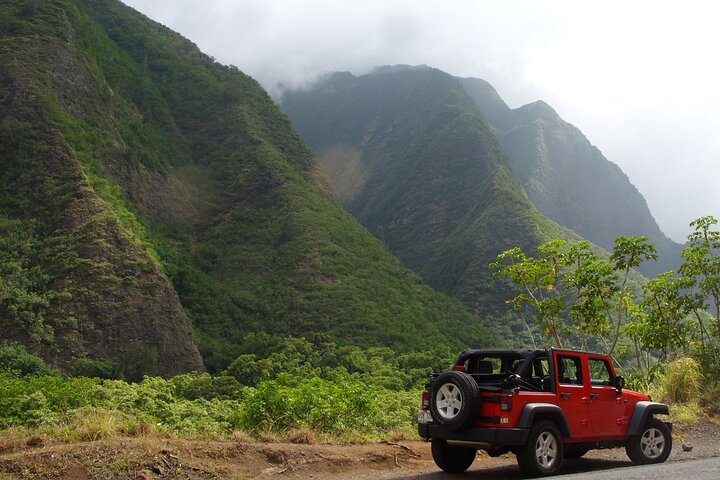
If you’d rather not drive, tours and shuttles make it easy to get around Maui. Resort areas have free trolleys for local transportation, and guided excursions handle all the details for places like the Road to Hana.
Guided Tours and Excursions

Booking a guided tour is honestly a smart move, especially for Maui’s trickier drives. The Road to Hana is a good example—this 64-mile stretch has over 600 curves and tons of narrow bridges. Companies like Valley Isle Excursions do the driving, so you can just enjoy waterfalls, black sand beaches, and scenic stops.
Most tours pick you up at your hotel, so you skip the stress of early mornings and crowded parking lots. Guides know which stops are actually worth it, and which you can skip.
Tour prices usually land between $125 and $200 per person for a full day. There are options for Hana, upcountry, volcanoes, and more. The buses are comfortable, air-conditioned, and many tours include snacks or lunch.
Regional Shuttles and Resort Trolleys

The Lahaina shuttle links Ka’anapali and Lahaina for $2 each way, running from 6 a.m. to 9:30 p.m. It’s a good choice if you’re in Ka’anapali and want to check out Lahaina’s shops and restaurants without parking headaches.
Ka’anapali’s free trolley loops through the resort area, stopping at hotels, golf courses, and shopping centers. It runs often during daylight hours, though schedules change with the season.
Some Wailea and other resort hotels run their own free shuttles to beaches and attractions. Ask the concierge when you arrive—these can save you money on short trips where a rental car or rideshare isn’t really worth it.
Airport and Inter-Island Transfers
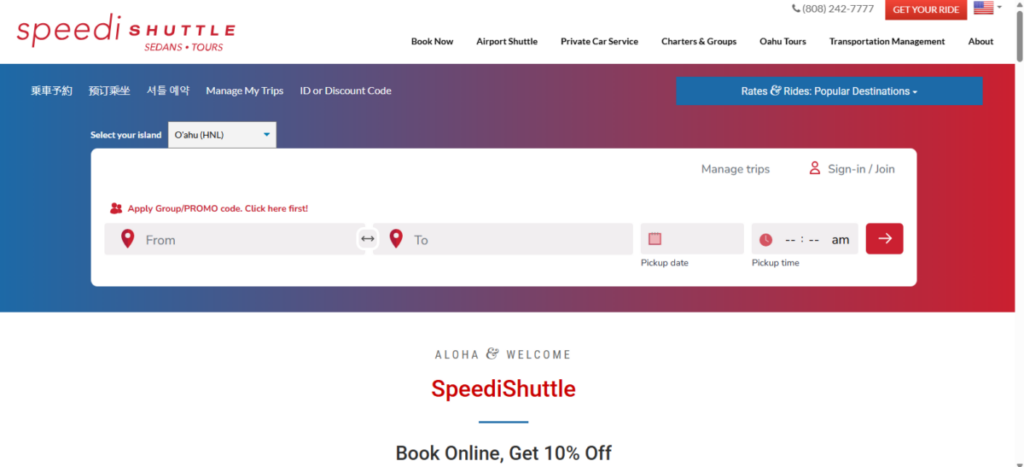
Roberts Hawaii and Speedi Shuttle dominate airport transportation. Roberts starts at $19 per person for shared shuttles to the main resorts, while Speedi charges $25 to Kihei/Wailea and $39 to Lahaina and Ka’anapali.
Shared shuttles make multiple stops, so your ride takes longer than a private car. But the savings are real—a private transfer or taxi from Kahului Airport to Ka’anapali can easily run $120 or more.
Ferries to Lanai ($60 roundtrip) and Molokai ($80 roundtrip) leave Lahaina Harbor several times daily. They’re a solid way to see neighboring islands without booking a flight. The Lanai ferry drops you near Hulopoe Beach; the Molokai ferry lands in Kaunakakai town.
Alternatives: Rideshares, Biking, and Exploring on Foot

You’ve got plenty of ways to get around Maui besides the bus—rideshares, bikes, or just walking, depending on where you’re staying and what you want to do.
Using Uber, Lyft and Taxis

Uber and Lyft both work on Maui, though drivers thin out once you leave the main tourist spots. In Kahului, Kihei, Lahaina, and Wailea, you’ll usually get quick pickups most times of day.
In remote areas or late at night, wait times get longer. Surge pricing pops up during tourist rushes and special events, so check the fare before you confirm.
Taxis are another steady option, especially at the airport and big resorts. They use set rates and don’t spike prices during busy times. For West Maui, try West Maui Taxi at 808-661-1122, or CB Maui Taxi Service at (808) 243-8294 for central Maui.
Quick comparison:
- Rideshares: Usually cheaper for short hops, easy app booking
- Taxis: More predictable pricing, always at airports and hotels
Many hotels keep taxi numbers at the front desk, which helps if rideshare drivers are scarce.
Renting Bikes and Recreational Vehicles
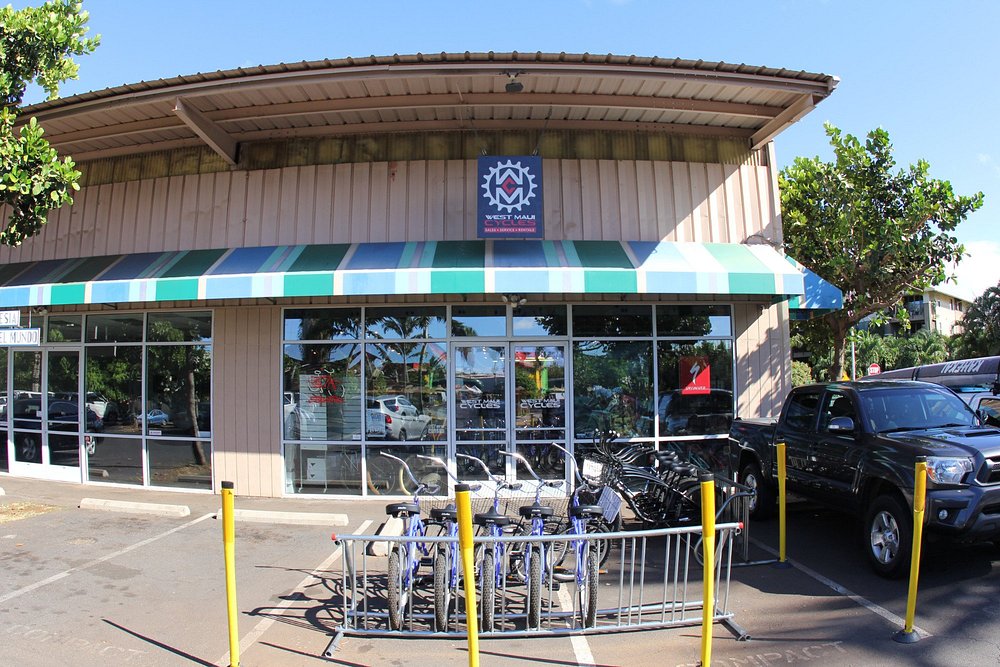
Renting a bike gives you freedom and flexibility. Shops in Lahaina, Kihei, and Kaanapali rent by the day or week—West Maui Cycles is a favorite with locals and visitors.
The Wailea coastal path and Kihei beachfront routes are great for casual rides. They’re mostly flat and link up beaches, cafes, and shops. The stretch from Kaanapali to Lahaina has ocean views and lots of places to stop.
Mopeds and scooters are available too, but you’ll need a valid driver’s license. They move faster than bikes but demand more attention to traffic.
Pack water and sunscreen for any ride. Maui’s sun can sneak up on you, even when it’s cloudy. Most rental shops include helmets and a basic lock.
Exploring Maui on Foot
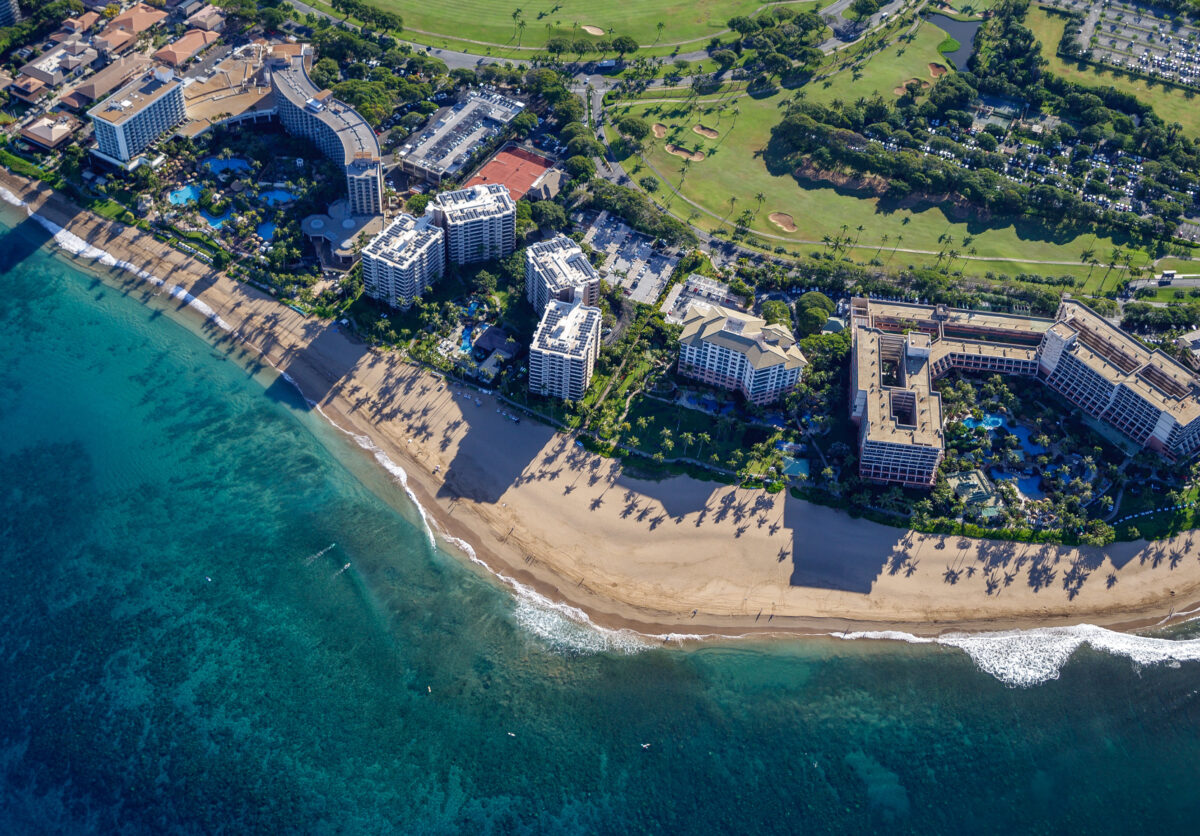
Some spots on Maui are perfect for walking. Kaanapali has a three-mile paved beach walk linking resorts, Whaler’s Village, and beach access points.
Lahaina’s Front Street puts shops, restaurants, and historic sites all within a short stroll. You can easily spend a day here and barely rack up a mile.
Wailea is walker-friendly, with wide sidewalks winding through resorts and along the coast. The paths connect five beaches and several shopping areas.
Napili Bay is more low-key. Everything’s close—beach, condos, cafes—so you can grab a bite, hit the sand, and find dinner without much effort.
Kihei works for walking if you stay near the main drag, but things are more spread out than in Wailea or Kaanapali. Trust me, comfy shoes matter—those paths heat up fast in the afternoon.
Tips for a Smooth Maui Transportation Experience

Getting around Maui takes a bit of planning if you want to save money and dodge last-minute headaches. Booking early usually means better rates, and knowing which places need extra prep keeps your trip on track.
Saving Money on Island Transportation
Transportation costs can sneak up on you fast. Honestly, you don’t always need a rental car for your whole trip.
Rent a car for a day or two when you really need it—like for Haleakala or the Road to Hana. The rest of the time, shuttles, rideshares, or walking around your area work just fine.
Tour companies often handle transportation. For example, Old Lahaina Luau sometimes includes hotel pickup, which saves you the headache and cost of parking.
Local rental places usually beat the big airport brands on price. Kihei Rent a Car and Manaloha Car Rental often have better daily rates.
Here’s something a lot of folks don’t realize: check prices every few days before your trip. Rates change constantly, and you might score a car for way less than you expected.
Mopeds and bikes are way cheaper than cars if you’re sticking to one area and just need to zip between beaches and restaurants.
Booking in Advance and Local Insights
It’s tough to just show up and wing it on Maui these days—things book up fast, especially in high season.
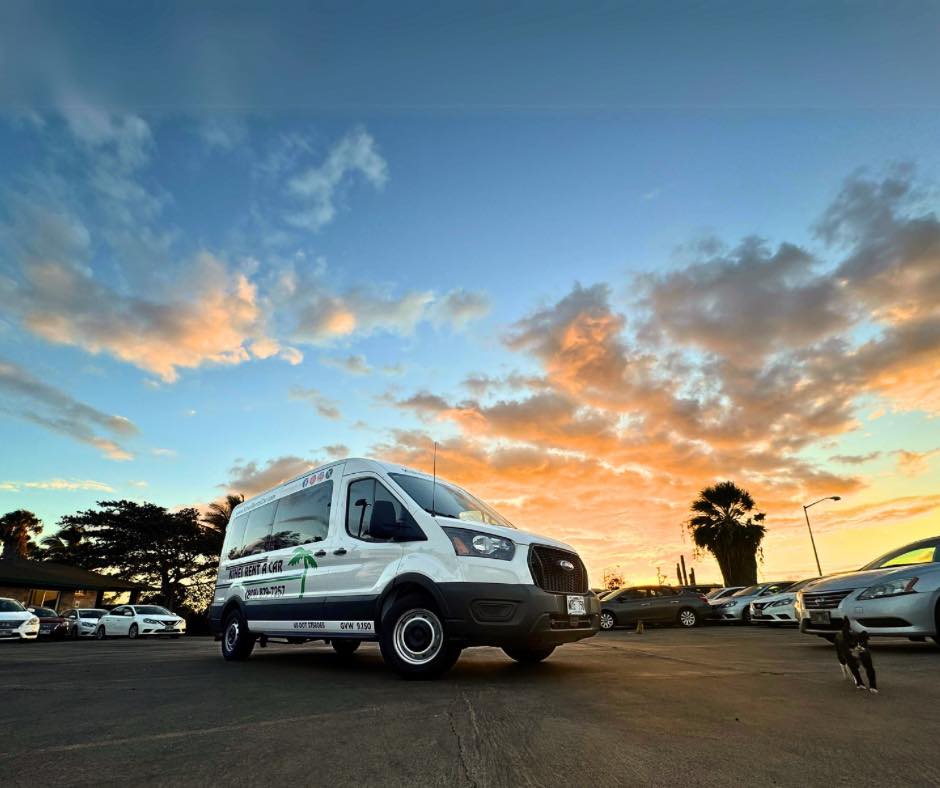
Book your airport shuttle before you land. Roberts Hawaii shared shuttles start around $19 per person, but they fill up. Same goes for tours—reserve weeks ahead if you can.
Sometimes, calling local companies directly works better than booking online. They know their schedules and might help you out even if the website says they’re full. Locals also have tips and shortcuts you won’t get from big companies.
Check in with your hotel concierge after you arrive. They often know about shuttle services that aren’t listed online. Some Wailea and Kihei resorts offer their own rides to popular spots.
The Lahaina shuttle runs between Ka’anapali and Lahaina, stopping at several points. It’s free or very cheap, depending on where you board. Schedules change with the season, so double-check before you go.
Planning for Remote Destinations
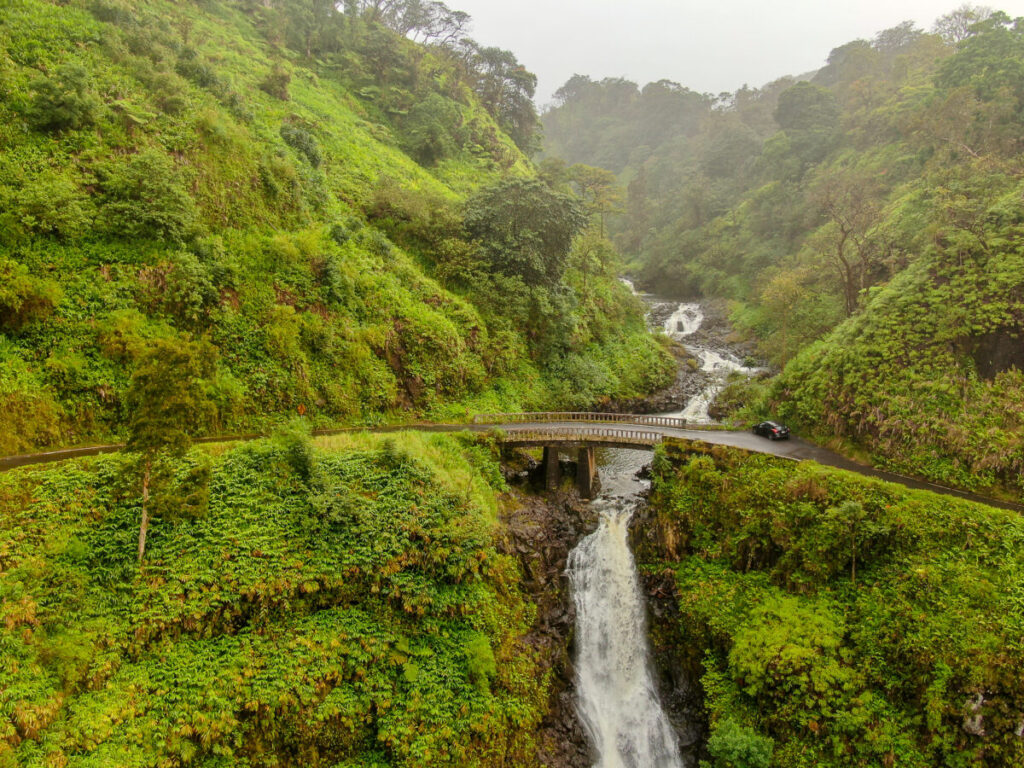
Some spots on Maui can be a real pain to reach if you don’t have your own car. The Road to Hana, Haleakala National Park, and the more hidden beaches just aren’t on any bus route.
If you’re heading up for Haleakala sunrise, you’ll either need a rental car or to book a tour. These tours really do pick you up at 2:30 am (sorry, that’s just how it goes) and take care of the mountain drive. If sunrise is a must on your Maui itinerary, just plan for this extra transportation cost right from the start.
Hana’s the same deal. You could splurge on a helicopter tour or go with a guided van trip—Valley Isle Excursions is one option. Sure, tours cost more than driving yourself, but honestly, letting someone else handle those twisty roads can be a relief.
Definitely pack snacks and water for these remote outings. Stores are few and far between, and tour stops are on a set schedule. Using Instacart or another grocery delivery service to stock up at your hotel before a big day out can be a game changer.
Think about how far you’re actually willing to walk in the heat. A beach that’s “just a mile away” can feel brutal if you’re lugging towels and chairs under the midday sun. Sometimes it’s worth grabbing a rideshare instead of toughing it out on foot.
See Related: Discover The Best Bus Tours in the USA – An Ultimate Guide
Frequently Asked Questions

Getting around Maui comes with a bunch of practical questions, whether you’re figuring out the bus system or debating between renting a car and relying on rideshares. Honestly, the island’s transportation setup isn’t quite what most travelers expect.
What are the public transportation options on Maui?
The Maui Bus runs across the island and only costs $2 per ride. You’ll see routes linking bigger towns like Kahului, Kihei, Lahaina, and Wailea, but don’t expect the same kind of coverage as you’d find in a big city.
Buses run from early morning to evening, but they skip remote places like Hana and Haleakalā National Park. Most routes come by about once an hour, so you’ll need to keep an eye on the schedule.
You can check the current schedule online or grab a paper timetable at the airport. Buses take Sundays and major holidays off, which can catch people by surprise.
Is car rental necessary to explore Maui efficiently?
Having a rental car gives you the most freedom to do Maui your way. If you’re planning to drive the Road to Hana, catch sunrise at Haleakalā, or poke around the less touristy corners, you’ll want one.
But if you’re sticking to just one resort area, you might not need a car at all. Places like Lahaina, Kihei, and Kaanapali are pretty walkable, and you can reach beaches and restaurants on foot.
Tour companies offer guided trips to the big sights, which saves you from driving. Downside? You’re stuck with their schedule, so lingering at your favorite spot isn’t really an option.
Can I rely on Uber or Lyft for transportation in Maui?
Uber and Lyft do work on Maui, but they’re not always as reliable as you might like. You’ll find more drivers near Kahului, Kihei, and Lahaina, mostly during the day.
In remote spots like Hana, Kapalua, or upcountry, drivers are few and far between. Early morning or late night? Good luck getting a ride then.
Surge pricing can get wild during busy seasons. I’ve heard plenty of stories about visitors waiting 45 minutes or more for a ride that just never comes—especially outside the main resort areas.
What are the best options for tourists to travel across Maui?
Private car services let you skip the stress of driving and still go where you want. Companies like Maui Luxe offer everything from airport pickups to all-day charters, so you set the schedule.
Guided tours are a solid choice for places like the Road to Hana or Haleakalā. You get local insights and don’t have to worry about the roads, but you do have to stick with the group’s pace.
Golf carts can be a blast for getting around certain resort areas or towns. They’re not meant for long distances, but if you just want a quick trip to the beach or dinner, they add a fun touch.
How can I travel from the airport to my hotel in Maui?
Booking a shuttle or private transfer ahead of time makes life easier when you land. Shared shuttles are cheaper but stop at a bunch of hotels, while private ones take you straight to yours.
Uber and Lyft pick up at the airport, but it’s hit or miss depending on when you arrive. Late-night flights can mean long waits or no rides at all.
Some resorts run their own airport shuttles, but you’ll have to check with your hotel. If you prefer taxis, you’ll find a stand right outside baggage claim—sometimes the old-school way is just simpler.
Are there any unique or scenic drives recommended for Maui visitors?
The Road to Hana is Maui’s most famous drive, winding 64 miles along the northeastern coast. You’ll wind through over 600 curves and cross dozens of bridges, weaving past waterfalls, black sand beaches, and thick rainforest. It’s a lot, but worth it if you’re up for the adventure.
Haleakalā Crater Road climbs from sea level to 10,023 feet in about 40 miles. If you want to catch sunrise at the summit, you’ll need a reservation and should probably start driving around 3 AM. That early wake-up is rough, but honestly, the view is something else.
Highway 30 from Lahaina to Kapalua hugs the coastline, serving up ocean views nearly the whole way. It’s a much more relaxed drive than the Road to Hana, so if you want the beauty without the hairpin turns and white-knuckle moments, this route might be your best bet.


