After years of zigzagging across Europe by bus, I can tell you: figuring out if buses beat trains on price to Amsterdam isn’t as straightforward as it seems. The quick answer? Bus tickets to Amsterdam are usually cheaper than train tickets, but it depends on when you book, your route, and whether you’re traveling at peak times.
You can save anywhere from a handful of euros to half the train fare by going with a bus. But honestly, cheaper doesn’t always mean it’s the best choice.
Buses take longer, and trains do offer more comfort and flexibility. So, you’ll want to weigh the savings against your own schedule and what you care about most before you decide.
Key Takeaways
- Bus tickets to Amsterdam usually cost less than trains, especially if you book early
- Prices for both buses and trains jump around depending on demand, city, and when you book
- Amsterdam has multiple arrival points for buses and trains, and different companies offer all sorts of ticket types and passes
Ticket Price Comparison: Bus vs Train to Amsterdam

Bus tickets to Amsterdam tend to cost less than train fares, though how much less really depends on when you book and your route. Sometimes you’ll just save a few euros, but other times the difference is bigger, especially if you plan.
Average Bus Ticket Prices to Amsterdam
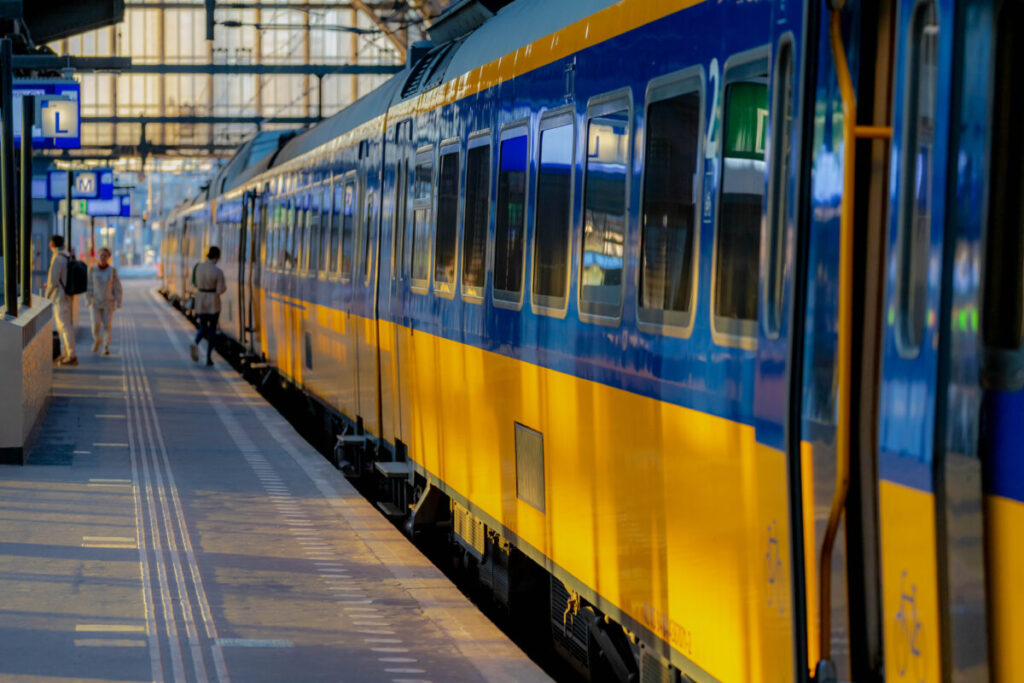
FlixBus pretty much runs the show for budget buses to Amsterdam, with prices starting at about €9 from nearby cities. The real price depends on where you’re starting out and how far in advance you buy.
If you’re coming from Paris or Brussels, expect to pay somewhere between €15-€35 for a standard bus ticket. Book two or three weeks before and you’ll probably get the lower end. Leave it till the last minute? Prices can shoot up to €50 or more, especially when it’s busy.
Buses often add extra departures when demand spikes, which keeps prices a bit more reasonable. And since buses sometimes use different routes than trains, you’ll notice prices can be all over the place. A Tuesday afternoon bus might be €12, but the same route on Friday evening could be €28.
Typical Train Ticket Costs to Amsterdam

Train tickets to Amsterdam through NS Trains and Thalys start higher than buses. Usually, you’re looking at about €20-€60 for most European routes, and if you want a premium service, add even more.
Thalys trains are fast and comfy, but you pay for that. A Paris-Amsterdam ticket sits around €35-€80 depending on class and timing. Brussels connections run €25-€50 for standard seats.
NS Trains handle Dutch domestic routes and keep things reliable, but rarely as cheap as FlixBus. Trains get you to Amsterdam Centraal station in the city center, which the buses don’t always do.
Peak and Off-Peak Fare Differences

Traveling on weekends or holidays? Both buses and trains can get pricey. A bus ticket that’s €15 on a Wednesday might be €30 on Saturday morning.
Trains are even more dramatic. That €35 Thalys ticket from Paris? It can rocket up to €95 during peak weekends or holidays. Weekday mornings and evenings also cost more since business travelers fill up the seats.
Booking 2-3 weeks ahead is usually your best bet. Both FlixBus and train operators drop early-bird fares that vanish as the date gets closer. If you can swing a mid-week trip, especially Tuesday to Thursday, you’ll almost always find the lowest prices.
Factors Influencing the Cost: When Is the Bus Cheaper?

The price gap between bus and train tickets to Amsterdam isn’t fixed—it moves around depending on when you book, who you are, and the time you travel. Knowing these factors helps you snag the best deal.
Advance Purchase and Last-Minute Fares
Book early, and you’ll almost always get cheaper bus fares. Most bus companies drop their lowest prices weeks or months ahead, and those tickets go fast. Sometimes you’ll see fares as low as €5-15 if you’re quick.
Train tickets don’t always play by the same rules. Some rail operators offer early discounts, but a lot of standard train fares barely budge no matter when you buy—especially for Dutch domestic routes.
If you’re booking last-minute, bus companies sometimes keep a few budget seats available, but prices do go up. Trains usually just charge the same higher fare whether you buy a month out or an hour before. So, if you’re booking within 48 hours, buses still usually win on price, even without advance discounts.
Discounts and Age-Based Savings

Your age can really change what you pay. Bus companies often have discounts for students, seniors (usually 60+), and kids, knocking 10-30% off. Just bring an ID or student card when you board.
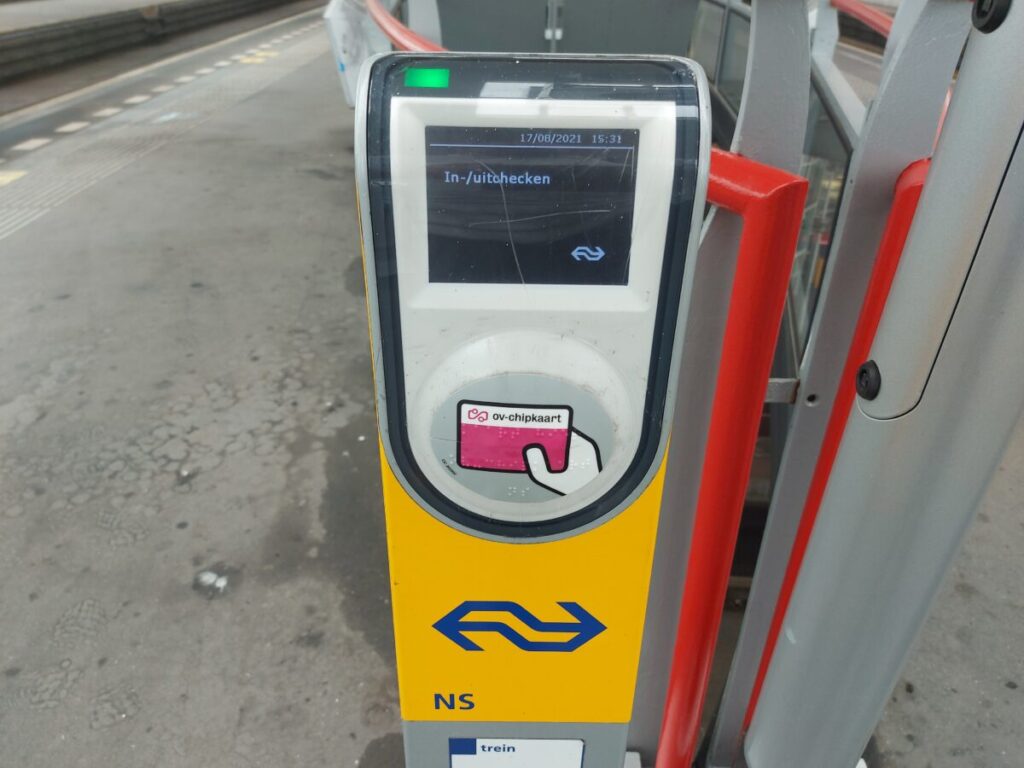
Train travel in the Netherlands is a different animal with the OV-chipkaart system. You load it with an e-purse or buy subscriptions. Under-18s get solid discounts with special subscriptions, but adults often pay full price unless they shell out for monthly or yearly discount subscriptions (which cost extra upfront).
If you’re just visiting Amsterdam, most train discounts won’t help since they need a Dutch bank account or a long-term commitment. Buses are simpler: buy your ticket, hop on, and you’re set.
Day of Week and Seasonal Pricing
Buses hike prices on Fridays and Sundays when everyone’s heading out or coming back. A route that’s €12 on Tuesday could be €20 on Friday night. Tuesday to Thursday mornings are usually the cheapest.
Trains use the OVpay and OV-chipkaart systems, and prices stay pretty steady through the week. Peak hours (weekday mornings and evenings) cost more, but the day itself doesn’t matter much.
Seasonal pricing hits both, but buses swing harder. Summer can bump bus prices 30-50% over winter.
Holidays like Christmas and Easter drive them up too. Train fares are more stable year-round, though some routes add small surcharges during peak tourist season.
See Related: Best Bus Tour Companies in the US
Popular Bus and Train Companies Serving Amsterdam

Several big bus and train operators link Amsterdam with cities across Europe, each with their own prices and vibes. Flixbus rules the budget bus market, while NS Trains covers most Dutch rail routes.
Bus Operators: Flixbus, Connexxion, EBS & More

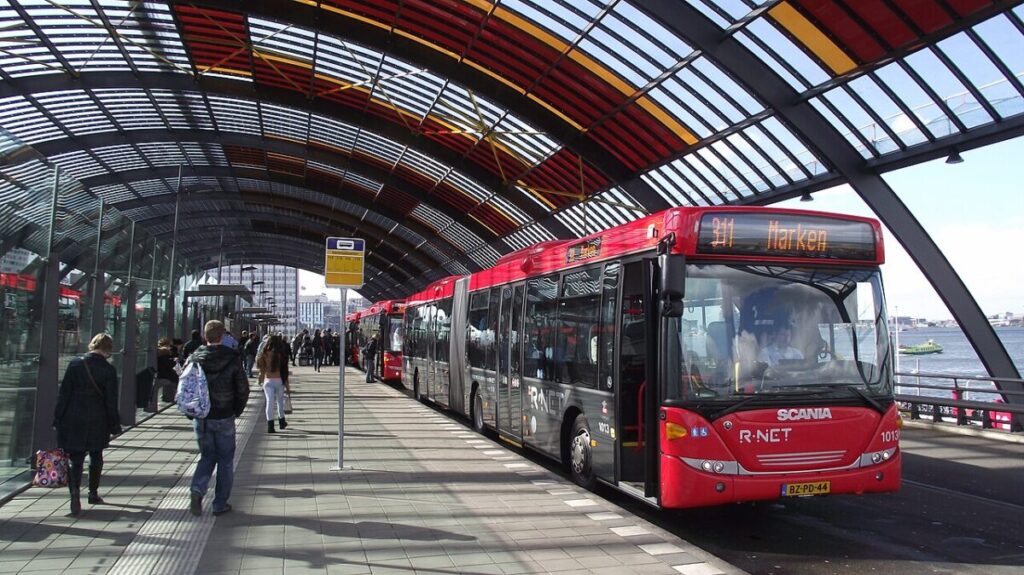
Flixbus is the main choice for cheap buses to Amsterdam from other European cities. They run from Paris, Brussels, Berlin, and loads of other places, often starting at €9-15. Their green buses pull into Amsterdam Sloterdijk, Amsterdam Bijlmer, or Amsterdam Central bus stops.
For regional Dutch trips, you’ll see a few other names. Connexxion links Amsterdam to nearby towns and the airport.
EBS handles northern routes, though not usually direct to central Amsterdam. Arriva runs buses in some provinces, but rarely straight into the city. Qbuzz covers other regions.
Most travelers just stick with Flixbus for international trips—it’s cheap, reasonably comfy, and gets the job done. The buses have wifi, power outlets, and seats that recline. Not luxury, but not bad for the price.
Major Train Services: NS Trains and European Networks
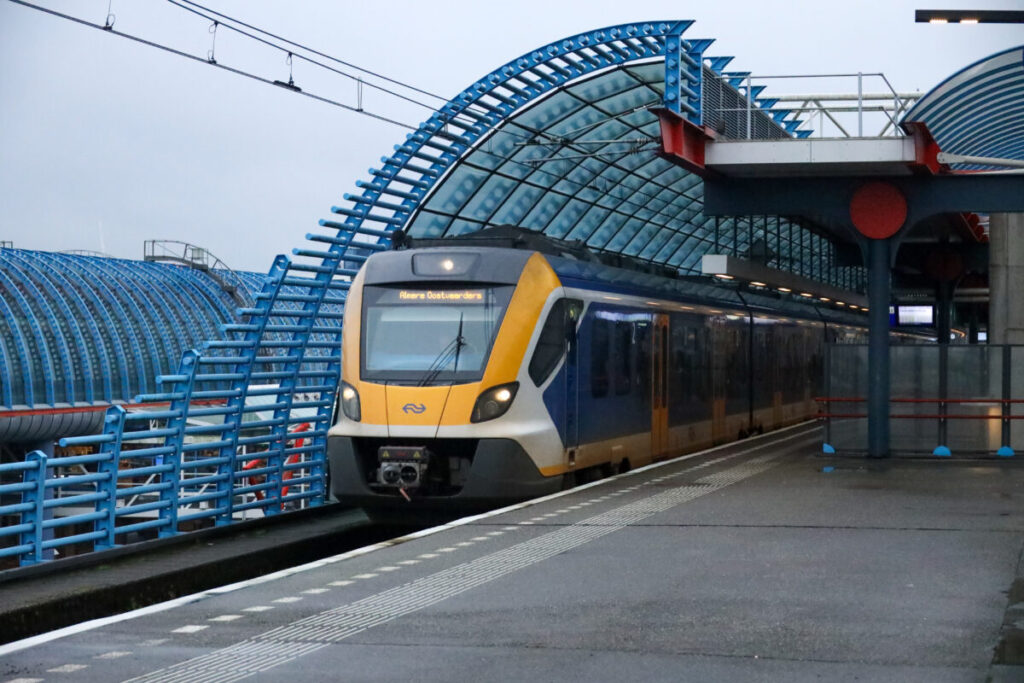
NS Trains (Nederlandse Spoorwegen) runs nearly all Dutch domestic trains. Their Intercity and Sprinter trains connect Amsterdam Centraal to other Dutch cities all day long. You can grab tickets at stations or on their app.
For international routes, Thalys runs high-speed trains between Amsterdam and Paris, Brussels, Antwerp, and Lille. These red trains are fast, but you’ll pay—expect €50-100+ depending on when you book. European Sleeper offers overnight trains if you’d rather sleep on the move.
Trains pull into Amsterdam Centraal or Amsterdam CS Prins Hendrikplantsoen. Both are central and make it easy to hop on trams, metros, or buses. Trains are just more comfortable and faster than buses, but your wallet will notice.
Key Amsterdam Transport Hubs and Arrival Points

Amsterdam’s public transport network revolves around a few major stations, connecting buses, trains, trams, and metro lines. Knowing these hubs helps you get around smoothly and maybe save a few euros along the way.
Amsterdam Centraal and Amsterdam Central Station

Amsterdam Centraal is the city’s main hub—almost everything passes through here. The station handles national and international trains, and you’ll find the main bus station on the upper level of the IJ-side (north waterfront).
To reach the bus terminal, just take the escalators from the IJhal area. Electronic screens show all bus departures. Many regional buses to places like Volendam, Edam, Monnickendam, and Zaanse Schans leave from here.
GVB runs lots of tram and metro lines from Amsterdam Centraal. Free ferries to Amsterdam Noord leave from behind the station, and you can connect to more buses there. Night buses also start here, with 11 lines running after 00:30 when other transport shuts down.
Amsterdam Sloterdijk and Amsterdam Bijlmer

Amsterdam Sloterdijk is a big interchange out west. It connects trains with bus line 22, which runs between Sloterdijk and Muiderpoort via Centraal. Bus 369 from Schiphol Airport ends here, though honestly, the train is faster for that hop.
Amsterdam Bijlmer-ArenA sits in the southeast and gives you access to Ziggo Dome and Johan Cruijff ArenA. Multiple night buses (N86, N87) link this station to Centraal. There are also GVB service desks here if you want a paper map or ticket help.
Airport to City Routes and Transfers

Getting from Schiphol to Amsterdam by bus gives you two main options. The Amsterdam Airport Express bus 397 goes from Schiphol Plaza to Elandsgracht near Leidseplein, stopping at Museumplein along the way.
A single ticket is €6.50, and the ride takes about 30 minutes. This red Connexxion bus leaves 4-8 times an hour between 05:00 and 01:00.
At night, the N97 Niteliner runs once an hour and actually continues to Amsterdam Centraal, unlike the daytime 397. Bus 369 connects Schiphol to Amsterdam Sloterdijk station for €3.40, but honestly, the train is faster for that route.
The train from Schiphol to Amsterdam Centraal costs about €5 and usually gets you there in 15-20 minutes. It’s almost always cheaper and faster than the airport buses. Still, if you’re staying near Leidseplein or Museumplein, the 397 bus drops you closer than the train would.
See Related: Packing Tips for Bus Journeys: Clever Hacks for Comfy Travel
Types of Travel Tickets and Passes: Offers and Flexibility

Amsterdam’s public transport offers a bunch of ticket types, from singles to multi-day passes. The GVB day ticket is €10 for 24 hours of unlimited travel, and multi-day passes drop the daily price to as low as €6.15 if you get the 7-day version.
Single Journey and Hour Tickets

Single journeys in Amsterdam aren’t as straightforward as you might hope. There’s no fixed-price ticket for just one trip.
Instead, you either use an OV chip card (the “e-purse”) or OVpay, and you get charged based on the distance you travel. The OV chip card itself costs €7.50, and after that, it’s €1.16 base fare plus 21.7 cents per kilometer. You need a minimum of €4 credit on the card before you travel.
OVpay lets you tap your debit or credit card when you board and exit. Watch out, though—your bank might tack on extra fees, and if you forget to check out, you get hit with a higher fare. The system caps out at €10.50 per day, which is, weirdly, more expensive than just buying a GVB day ticket.
If you plan more than two or three trips in a day, these options don’t really make sense. And honestly, GVB keeps removing ticket machines, so topping up an OV chip card gets trickier every year.
Day Passes and Multi-Day Tickets
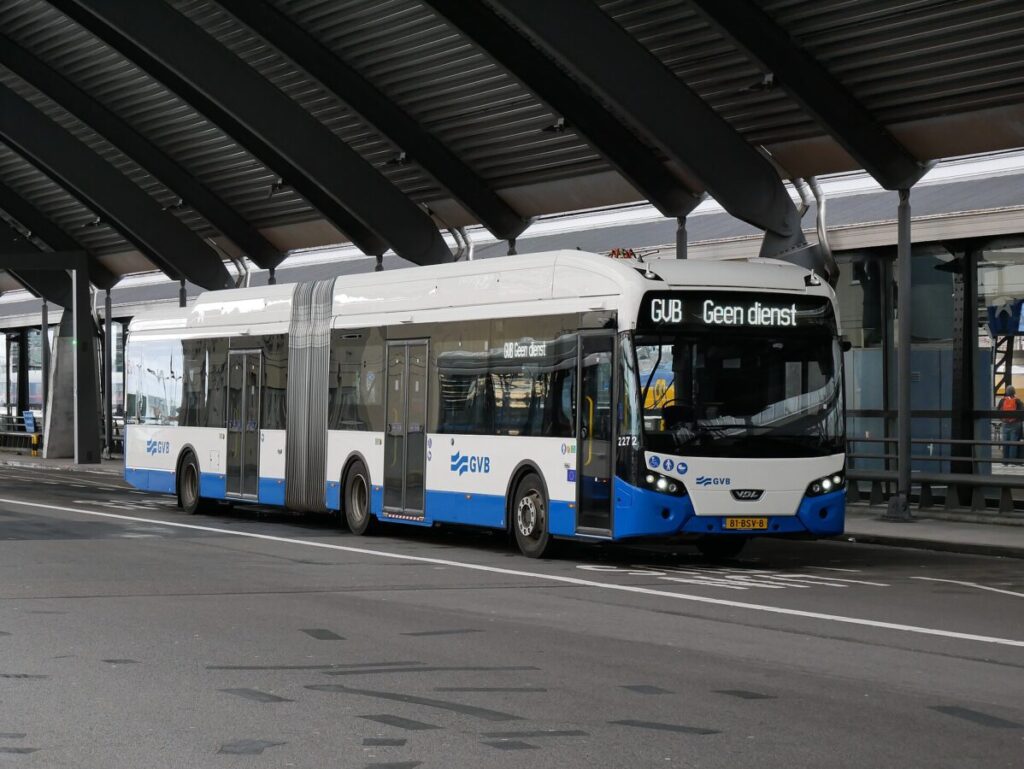
The GVB day ticket gives you unlimited rides on trams, buses, and metro lines for 24 hours, starting from your first use—not midnight.
GVB Multi-Day Ticket Prices (2026):
- 1 day: €10
- 2 days: €16 (€8 per day)
- 3 days: €21.50 (€7.17 per day)
- 4 days: €27.50
- 5 days: €34
- 7 days: €43 (€6.15 per day)
Kids aged 4-11 pay just €5 for a day, but there’s no multi-day children’s pass, so you’ll need to buy more than one if you’re staying longer.
The basic GVB ticket won’t get you onto the airport express bus or train to Schiphol. For that, you’ll need the Amsterdam Travel Ticket, which throws in an airport transfer too.
You can buy these tickets online in advance through the GVB app or other booking sites. That way, you avoid messing with ticket machines after a long flight.
Regional and All-In-One Cards
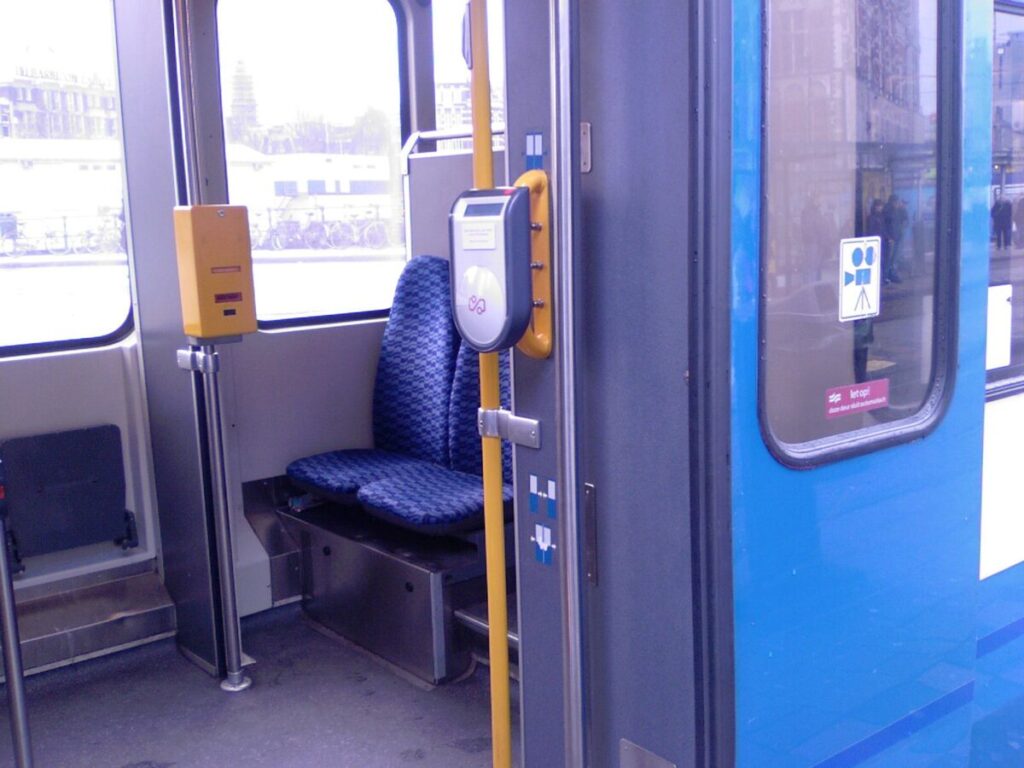
The Amsterdam & Region Travel Ticket covers more ground. It includes everything the GVB ticket does, plus Connexxion and EBS buses to the suburbs and NS trains around Amsterdam. That means you get the Airport Express Bus 397 and can head out to places like Haarlem or the coast.
The I Amsterdam City Card bundles transport with museum entry. You get unlimited GVB travel and free admission to more than 50 museums and attractions. Prices start at €65 for 24 hours, dropping to €27 per day if you go for a 5-day pass.
This card only really makes sense if you’re hitting a bunch of museums. For example, the Rijksmuseum alone is around €22.50, and you’ll have to book online in advance anyway. But if you just want to explore neighborhoods by tram and bus, regular GVB tickets are usually a better deal.
The iamsterdam card also throws in 25% discounts at restaurants and bike rentals. Like the GVB day ticket, you activate it the first time you use it.
Additional Considerations: Convenience, Connectivity, and Value
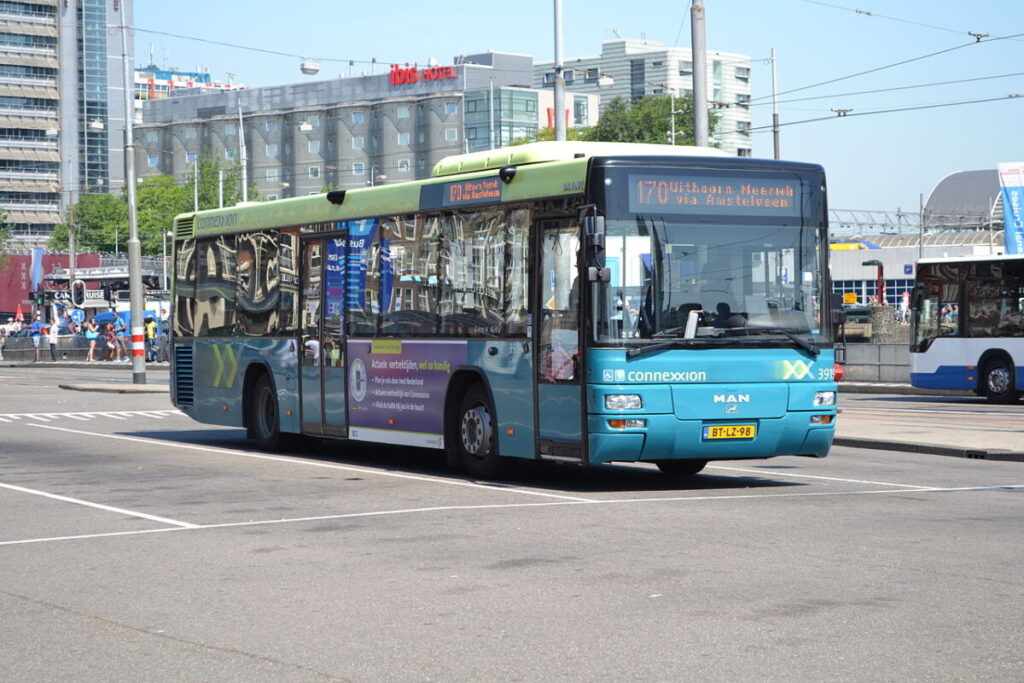
Comparing bus and train costs is just one part of the puzzle. How you buy tickets, where each option actually takes you, and how easy it is to connect to other transport all shape the real value of your trip.
Ease of Buying and Using Tickets

Buying bus tickets to Amsterdam is usually pretty simple. You can book online with FlixBus, Eurolines, or regional carriers weeks ahead. The tickets land in your email, and you just scan them from your phone when you board.
Train tickets work differently depending on your starting point. International routes like Thalys or Eurostar let you book online, but once you’re in the Netherlands, things change.
The OV-chipkaart is the main system for Dutch trains and Amsterdam public transport. You tap in and out, and it calculates your fare automatically.
If you’re only in town for a few days and plan to use trams, buses, and metros a lot, an Amsterdam public transport ticket makes the most sense. The GVB day pass covers unlimited rides on trams, metros, and GVB night buses for 24 hours. You can grab one at GVB service points at Central Station or Schiphol.
Buses have an advantage here: you pay once for your intercity ticket and that’s it. No fiddling with zones or worrying about whether you tapped out correctly.
Coverage of Attractions and Regions
Trains drop you at Amsterdam Centraal, right in the heart of the city. That’s great if your hotel is nearby, but getting to places outside the main tourist zone means you’ll need to transfer.
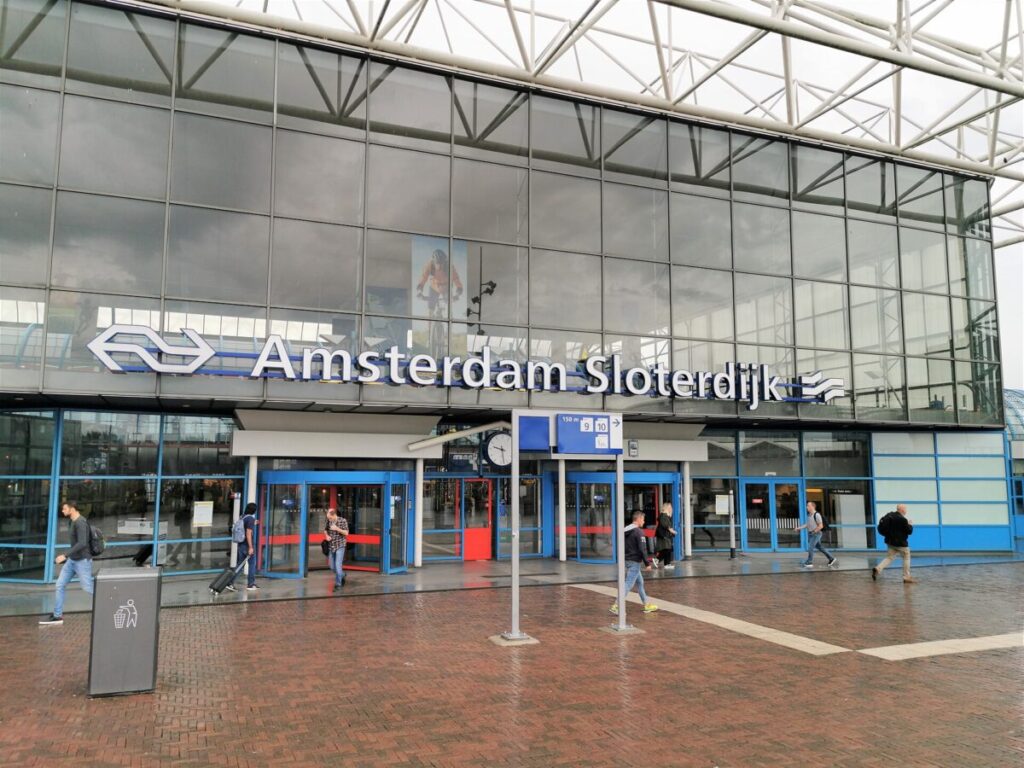
Buses often stop at Sloterdijk station or near Zuidoost, so you’ll need to hop onto Amsterdam public transport to reach your final stop. It adds time, but not necessarily much cost if you already planned to get a transit pass.
Buses really shine when you want to visit places like Zaanse Schans, Zandvoort beach, or Keukenhof. Regional buses go straight to these spots or require fewer transfers than trains. A GVB day pass won’t help for those, but regional day passes do exist.
GVB ferries cross the IJ river for free and get you to Amsterdam Noord, where cool places like NDSM Wharf are. Trains just can’t offer that kind of flexibility inside the city.
Intermodal Transfers and Service Points
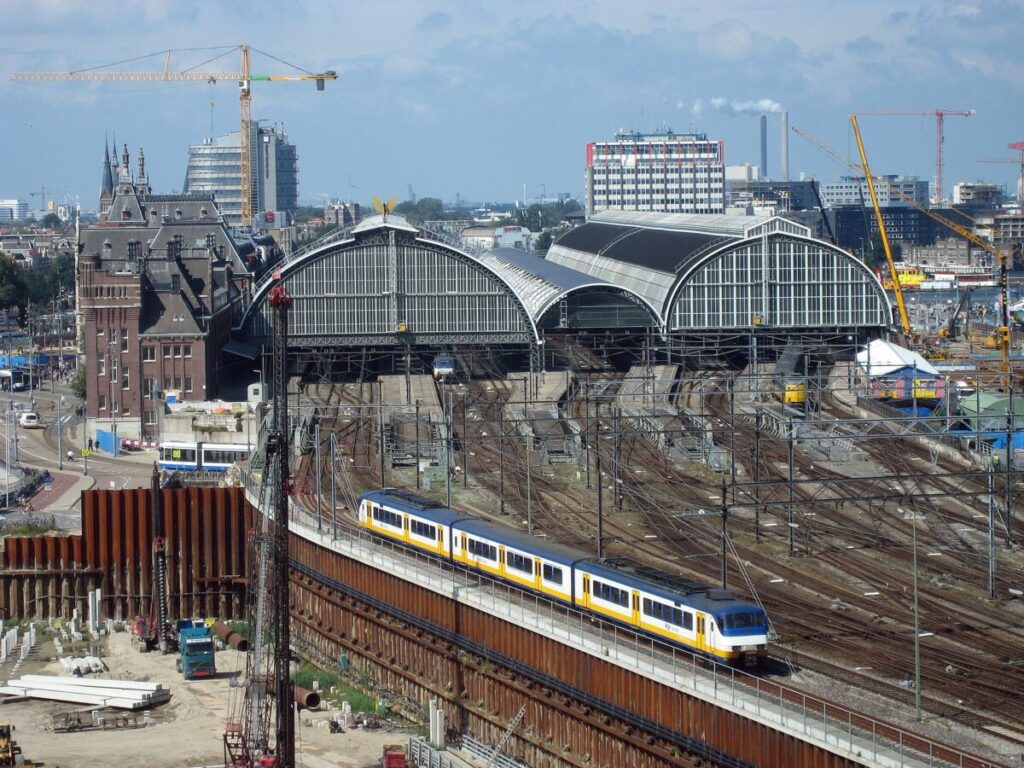
Amsterdam Centraal acts as the main hub. Trains arrive there, and you can immediately switch to trams, buses, ferries, or metro lines. GVB service points in the station sell passes and answer questions.
If you arrive by bus at Sloterdijk, you’re still well-connected. Trains to Centraal leave every few minutes, and the station has shops and places to wait if you need to kill time.
Some budget buses stop farther from the center, which complicates things. You might save €5 on the bus fare, but then spend 30 minutes and €3 getting into the city on public transport.
Night arrivals can be tricky. GVB night buses run after regular trams stop, but not as often. Trains slow down after midnight, too. If your bus rolls in at 2 am, it’s worth planning how you’ll actually reach your accommodation.
See Related: Charter Bus vs Multiple Van Rentals Cost: Full Group Travel Price Breakdown
Frequently Asked Questions

Travelers usually have specific questions about getting around Amsterdam and comparing costs between buses and trains. Payment options and ticket types can trip up first-time visitors.
What are the most cost-effective transportation options in Amsterdam?
Public transport day passes give you unlimited rides on trams, buses, and metro lines for one flat rate. The GVB day ticket covers the whole network and saves you money if you’re making more than a couple of trips.
Single tickets cost more per ride than day passes. You’ll pay about €3.40 for just one journey, which adds up fast if you’re bouncing around the city.
Actually, the free ferries behind Central Station are a hidden gem. They cross the IJ river to Amsterdam Noord and cost nothing—locals use them all the time.
How do I navigate the Amsterdam public transportation system?
Trams cover most tourist areas and neighborhoods. Maps at stops show the lines clearly, and trams come every few minutes during the day.
The metro system doesn’t have as many lines, but it connects the outer areas to the center quickly. It’s not as useful for sightseeing, but it’s great if you’re staying outside the main tourist zone.
Buses fill in the gaps where trams don’t go. Night buses take over when regular service stops, though they don’t run as often.
You have to tap in when you board and tap out when you exit. If you forget to tap out, you get charged the maximum fare, which is just annoying.
What are the average costs of bus and train tickets in the Netherlands?
Long-distance bus tickets from other European cities to Amsterdam start around €5 if you book early. Prices go up as the date gets closer, sometimes hitting €30 or more.
Train tickets within the Netherlands depend on the distance. Amsterdam to Rotterdam is about €17, while shorter trips run €5 to €10.
FlixBus and similar companies usually beat train prices by 30-50% on the same routes. The downside? Buses take longer since they deal with traffic.
International train routes almost always cost more than buses. For example, Brussels to Amsterdam by train might be €30-40, while the bus could be half that.
Can I use contactless payment methods like Apple Pay for public transit in Amsterdam?
Yep, you can tap your phone or credit card right on the card readers. Apple Pay, Google Pay, and contactless bank cards all work with OVpay.
This method is super convenient—you don’t need to buy tickets in advance. The system calculates your fare based on where you tap in and out.
Tourist cards and day passes still have to be bought separately. Contactless payment applies only to pay-as-you-go fares, not to special tourist deals.
Just make sure your card works internationally before you rely on it. Some cards from outside Europe don’t have the right tech enabled.
What are the differences between OVpay and GVB for transit payment?
OVpay lets you pay for rides with your bank card or phone—just tap and go. It charges you for each trip, and the price depends on how far you travel.
GVB, on the other hand, sells passes and tickets just for Amsterdam’s local transport. Their day passes cover unlimited rides, so you don’t have to think about individual fares.
If you’re bouncing around the city all day, GVB’s passes might actually save you some cash. But if you’re only hopping on public transport once or twice, OVpay probably makes more sense.
GVB also has tourist-friendly options, like the Amsterdam Travel Ticket, which bundles airport transfer with city transport. OVpay doesn’t do bundles like that.


