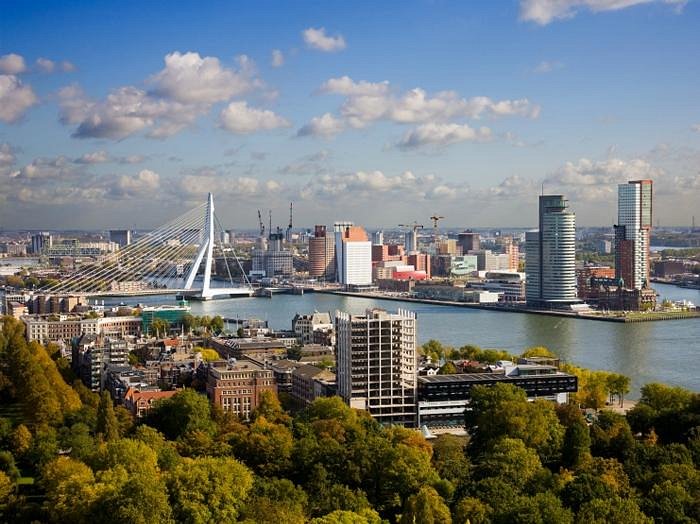
Rotterdam’s public transport system is honestly one of the best I’ve come across while covering European cities. Getting around here feels refreshingly simple once you get the hang of it. The city’s modern metro, tram, and bus network connects all the major areas, and the OV-chipkaart lets you hop between them without fuss. After years of navigating different cities, Rotterdam stands out for just how visitor-friendly its transport really is.
You’re not stuck with only the usual options, either. The compact city center makes walking and cycling genuinely practical, and water taxis zip you across the Maas River when you want a faster or just more fun route. Public transport runs from early morning until past midnight, so exploring Rotterdam feels straightforward, whether you’re here for a quick visit or staying a while.
Key Takeaways
- The OV-chipkaart works on all metros, trams, and buses throughout Rotterdam
- Water taxis and ferries offer unique alternatives to standard public transport
- Rotterdam’s transport system connects smoothly from the airport to major attractions
Essential Public Transport Overview
Rotterdam’s public transport runs on a modern network of metro lines, trams, and buses that get you anywhere in the city quickly. You can pay using either an OV-chipkaart or the newer OVpay contactless system. Knowing how these work saves you both money and hassle.
RET and Public Transport Networks

RET (Rotterdamse Elektrische Tram) runs the whole public transport network here—five metro lines, plenty of trams, and a big bus system that links the center with the outer neighborhoods.
The metro is the fastest way to cover longer distances. Trains come often, and you can bring your bike on board between 9 a.m. and 4 p.m., then again after 6:30 p.m. Trams are best for short hops within the center, but they don’t allow bikes at all.
Buses fill in the gaps where the metro and trams don’t reach. The BOB bus runs late at night when other services stop.
You can check schedules and plan routes using the RET app or website. Both show real-time departures, so you know exactly when your ride will show up.
How to Use the OV-chipkaart and OVpay

The OV-chipkaart is a reloadable smart card that works on all public transport in Rotterdam and the Netherlands. You can pick one up at metro stations, convenience stores, or the tourist office for a small fee.
Always check in when you board and check out when you leave—forgetting to check out means you’ll get charged the max fare, and that stings.
OVpay is the newer contactless option. Just tap your debit card, credit card, or phone on the reader when you board and again when you leave. No need to buy or reload anything; the system figures out your fare automatically.
The RET app helps you keep an eye on your OV-chipkaart balance and shows your recent trips.
Understanding Ticket Options and Rotterdam City Cards

Single-use paper tickets still exist, but they’re pricier than the OV-chipkaart or OVpay. You can buy them on trams and buses with coins, but this option’s fading out.
The Rotterdam Welcome Card gives you unlimited travel on RET buses, trams, and metros, plus discounts at museums and attractions. It comes in 1-day, 2-day, and 3-day versions.
If you’re staying longer, a rechargeable OV-chipkaart with credit makes sense. Load it with at least €20 to start—metro gates need a minimum of €4 just to let you through.
Day passes work if you’re planning lots of trips in one day. You can load these onto your OV-chipkaart at any metro station ticket machine.
Exploring Rotterdam by Metro
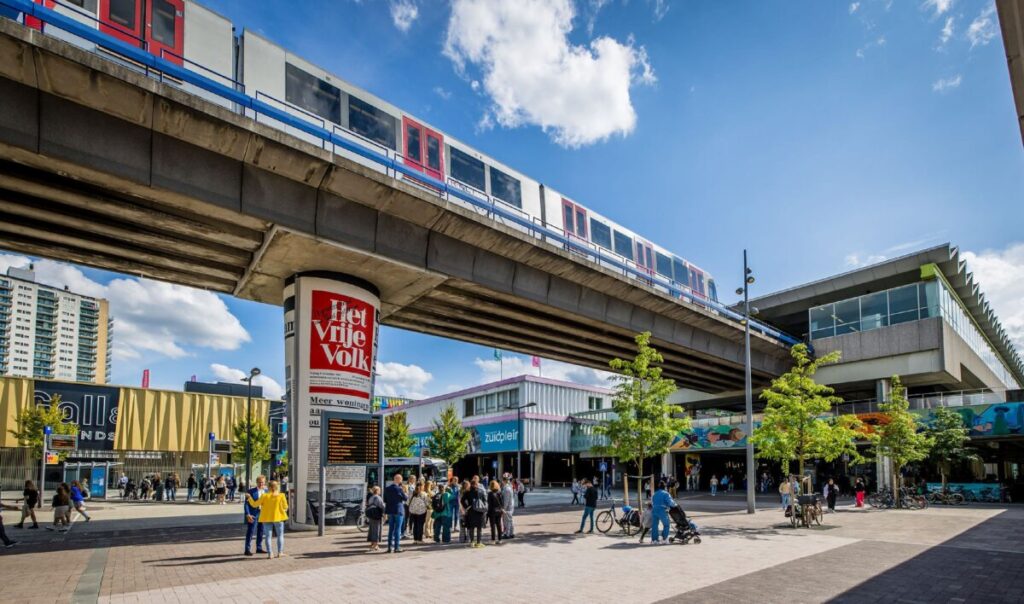
The metro system is one of the most reliable ways to get around, with four main lines connecting the center to neighborhoods and nearby cities. It’s fast, clean, and trains come often.
Metro Lines A, B, and C
Line A runs from Binnenhof through the center to Schiedam—perfect if you’re heading west. You’ll pass big stops like Rotterdam Centraal and Blaak, right in the thick of things.
Line B links the northern suburb of Nesselande to Hoek van Holland Beach, so it’s ideal for a beach day. This line also stops at Rotterdam Centraal, making transfers easy. The beach at Hoek van Holland is about 30 minutes from downtown, and if you bring your bike on the metro after 6:30 p.m., it’s an easy evening ride.
Line C, the newest, runs between De Terp and De Akkers, serving the southern parts of Rotterdam. It’s shorter than A and B but connects residential areas to the main network quickly.
All three lines cross at key stations, so transfers are a breeze. Route planning here isn’t a headache.
Line E: Rotterdam to The Hague and Beyond
Line E stands out because it goes well beyond Rotterdam. It connects Rotterdam Centraal to The Hague Central Station and even reaches The Hague Airport (Den Haag Airport).
The trip from Rotterdam to The Hague takes about 25 minutes—faster than a bus or tram. You’ll pass through suburbs and smaller cities like Laan van NOI and Nootdorp.
If you’re flying via The Hague Airport, Line E gives you direct access—no taxis or confusing transfers needed. Trains come often during peak hours, so you won’t wait long.
Key Metro Stations: Rotterdam Centraal, Blaak, Wilhelminaplein

Rotterdam Centraal is the busiest station. All metro lines meet here, and you can catch national trains too. The station’s been modernized, so switching platforms is straightforward. You’ll find ticket machines, shops, and cafes inside.
Blaak sits in the historic center near the cube houses and the old harbor. It’s a short walk from major tourist spots, markets, and plenty of places to eat. If you’re sightseeing, this is a great place to hop off.
Wilhelminaplein serves the Kop van Zuid waterfront district. The Erasmus Bridge is close by, along with the film museum and several hotels. It’s less hectic than Centraal but still really well-connected.
Tram and Bus Routes for Seamless City Travel
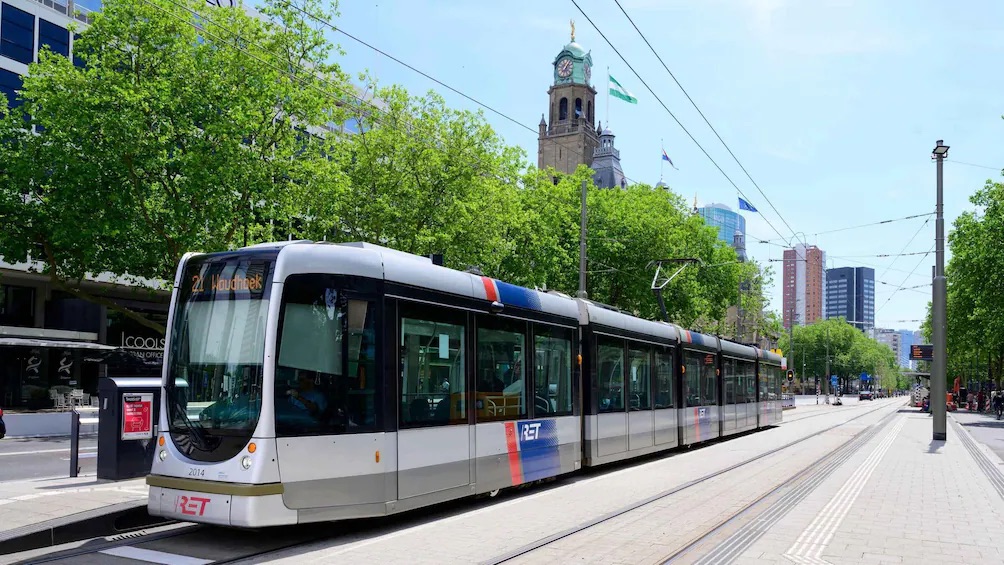
Rotterdam’s trams and buses cover the city thoroughly, connecting major districts with 9 tram lines and lots of bus routes that run from early morning until after midnight. RET runs both. Once you get the route structure and use the digital planners, getting around feels pretty intuitive.
Navigating Tram Routes Across City Districts
The tram system has 9 lines that crisscross the city, all meeting at Rotterdam Central Station. Transfers between lines are simple.
Lines 2, 4, 7, 8, 20, 21, 23, 24, and 25 each serve different neighborhoods. Trams run at street level, so you get good views and can spot your stop easily. Most run from about 6 a.m. to midnight, but check your line for exact times.
Trams are especially handy for getting to the Museum Quarter, Kralingen, and Delfshaven. Stops have yellow signs showing which trams serve them. If you’re heading to a particular attraction, chances are a tram gets you close.
Using the Bus Network for Greater Rotterdam
Buses go where trams can’t, reaching suburbs and neighborhoods across the region. RET runs standard buses all day, plus BOB night buses when regular service ends.
The bus network is your best bet for areas outside the center or places the metro and trams don’t reach. Routes link residential and commercial districts, shopping centers, and transport hubs.
But here’s something to keep in mind: buses follow street traffic, so travel times can change with congestion. During rush hour, your trip might take longer. Night buses run different routes, so double-check before assuming your usual bus is available after midnight.
Accessing Real-Time Timetables and Journey Planners
The RET app gives you live departure times, route maps, and service updates in one place. Download it before your trip and you can use it offline once you’ve loaded the basics.
For planning longer journeys across the Netherlands, 9292.nl is great. Just put in your start and end points, and it shows every possible route with estimated times.
Most big stops have digital displays showing real-time departures—usually accurate within a minute or two. The RET website has timetables too, but the app updates faster if there’s a delay or diversion.
Travelling by Water: Waterbus, Ferry, and Watertaxi
Rotterdam’s water transport lets you dodge traffic and see the city from a whole new angle. The Waterbus runs scheduled routes to nearby towns, watertaxis zip between 50 stops on demand, and ferries get you to destinations outside the metro area.
Waterbus Routes and Popular Destinations
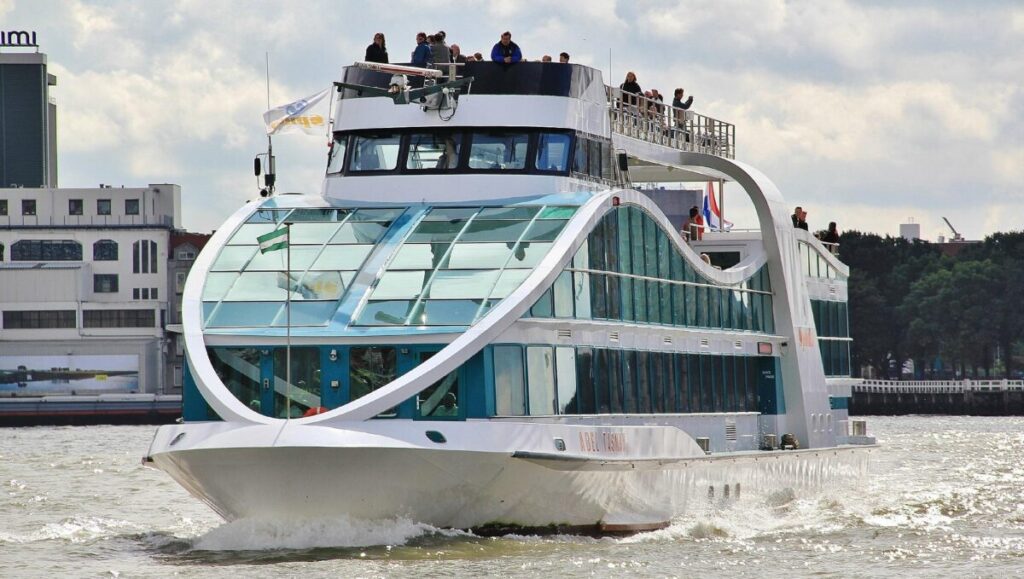
The Waterbus is basically a floating bus with set routes and timetables. Line 20 goes from Erasmus Bridge to Dordrecht, making it perfect for day trips along the Maas River.
If you’re heading to Kinderdijk for those iconic windmills, you’ve got two routes. Take the Waterbus to Ridderkerk (about 26 minutes from Rotterdam) and hop on the Driehoeksveer ferry for the last 10-minute stretch. Or go via Alblasserdam. Either way, it’s a lot more fun than sitting in a car.
Boats leave every 30 minutes starting at 7:19am. On weekdays, the last trip is at 10:40pm, but on weekends, service ends at 6:10pm. Popular stops include Papendrecht and Zwijndrecht—both worth a look if you’re venturing beyond the city center.
The ride from Erasmus Bridge to Katendrecht takes just 7 minutes by Waterbus. Honestly, it makes you wonder why anyone would bother with streets during rush hour.
Taking the Watertaxi Across the Maas
Watertaxis are where Rotterdam’s water transport really shines. These speedy boats run on-demand to 50 stations across Rotterdam and Schiedam. Just book through the Watertaxi Rotterdam app and a skipper takes you where you want to go.
The network covers the river and inner harbors, and it’s often faster than road transport for cross-water trips. About 700,000 people use it each year, which says a lot about how well it works.
You’ll pay more than for regular public transport, but you save time. If you’re near the SS Rotterdam or need to cross the Maas quickly, a watertaxi skips all the detours of land routes. You can also book boats for special events or tours if you want to see Rotterdam’s port from the water.
Download the app in the morning and book your trips ahead—it helps with availability.
Ferry Connections Beyond the City
The Aqualiner ferry links Rotterdam to Dordrecht and a handful of other spots further out. These aren’t your quick river crossings—they’re longer journeys that can swap out a train or bus ride if you’re up for something different.
Ferries reach places the metro skips entirely. If you’re plotting a multi-day regional adventure and hate doubling back through Rotterdam’s center, these boats make life easier.
Ferry timetables generally line up with other transport options, but you’ll want to check ahead—boats just don’t run as often as the metro or trams. Service drops off a bit on weekends, too.
Alternative Ways to Get Around Rotterdam
Rotterdam’s not short on ways to get around. You’ve got bike lanes threading through the city, waterfront paths for walking, and shared cars you can grab with just your phone.
Cycling and Bike-Sharing Services

This city is built for bikes. Dedicated lanes weave through the center and out into the neighborhoods. Locals ride everywhere—to work, the grocery store, even in the rain (which, honestly, shows up more than you’d expect).
Don’t own a bike? No problem. Bike-sharing programs make it easy. OV-fiets stations pop up at major transit hubs like Rotterdam Central, letting you rent a bike for about €4.70 per 24 hours. You’ll need an OV-chipkaart for these.
Dockless e-bikes and scooters from companies like Felyx and Check are scattered all over, too. Just grab their app, scan, and go. E-scooters usually cost €0.25-0.30 per minute.
Most big streets have those red-painted bike lanes, so you won’t be elbowing cars out of the way. Watch for tram tracks—hit them wrong and your front wheel can get stuck. And yeah, lock your bike. Theft happens, regardless of what the glossy brochures say.
Exploring the City on Foot
Rotterdam’s city center is compact enough that walking actually makes sense. From Central Station, you can reach the Markthal in about 15 minutes, then hit the waterfront in another 10.
The architecture alone is worth wandering for. You’ll pass the cube houses, the Erasmusbrug (locals call it “The Swan”), and all sorts of modern buildings you’d miss if you zipped by underground or in a car.
Most tourist spots cluster within 2-3 kilometers of each other. The Maritiem Museum, Kunsthal, and Museum Boijmans Van Beuningen are close enough to link up on foot. Just wear decent shoes—those cobblestones near Delfshaven look charming but can twist your ankle if you’re not careful.
The waterfront promenades are great for a stroll, especially along the Maas River. You can wander from the Erasmus Bridge past Hotel New York and the old harbor districts.
Using Shared and Rental Cars
Shared cars in Rotterdam work on a pay-as-you-go model. You only pay for what you drive. Greenwheels and MyWheels have cars parked all over—at Mobility Hubs and on the street.
Expect to pay €3-5 per hour plus €0.25-0.35 per kilometer, depending on the car. Gas and insurance come included. You book and unlock the car with an app.
Driving is pretty straightforward—roads are in good shape and the signs are clear. Parking, though, is pricey downtown. Rates run €4-5 per hour in most areas. Park+Ride spots on the edge of town cost about €1 a day if you don’t mind hopping on public transport to finish your trip.
You can rent cars the old-fashioned way from companies like Sixt and Europcar, near Central Station and at Rotterdam The Hague Airport. These are better for trips outside the city—not so much for daily city travel.
Airport Transfers and Arriving in Rotterdam
Rotterdam The Hague Airport sits just 7 kilometers from the center, so getting in is easy—buses, taxis, and shuttles run all day and night. Amsterdam Schiphol Airport is another option, with direct trains that get you to Rotterdam in about half an hour.
Rotterdam The Hague Airport (RTM)

Rotterdam The Hague Airport is the Netherlands’ third-busiest and serves both Rotterdam and The Hague. It’s set northwest of the city center—pretty convenient.
Bus 33 is the cheapest way into town. It connects the airport to Rotterdam Central Station and Meijersplein metro. The ride takes about 20-25 minutes, depending on traffic.
Taxis wait outside the terminal all day and night. The trip to central Rotterdam takes roughly 15 minutes in normal traffic. You’ll pay more than the bus, but honestly, it’s worth it if you’ve got a lot of luggage or you’re rolling in late.
You can book private transfers and shared shuttles online ahead of time—handy if you’re traveling with family or need a specific pickup.
Connections from Amsterdam Schiphol Airport
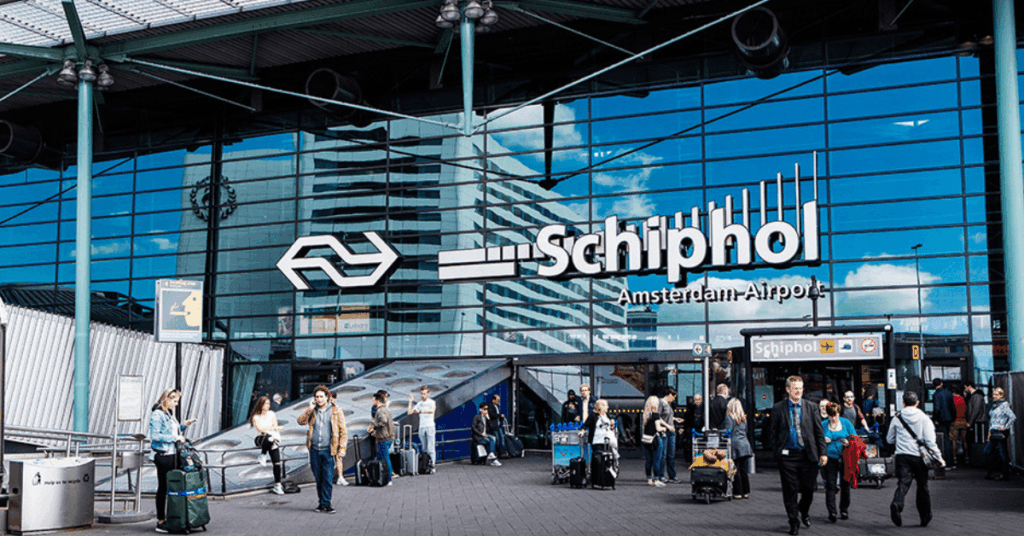
Some travelers prefer flying into Amsterdam Schiphol for better flight options or prices. It’s not a bad move—Schiphol connects to Rotterdam easily.
Direct trains run often from Schiphol to Rotterdam Central. The ride takes 25-35 minutes on Intercity trains. You’ll find the platforms downstairs—just follow the signs.
Tickets cost about €13-15 one way. Buy from the yellow machines in the airport or use the NS app.
Buses aren’t really worth it here—the train’s faster and more reliable. If you’re really pinching pennies and don’t mind a longer trip, a few regional buses do make the connection.
Traveling to the City Centre
Arriving at Rotterdam Central Station puts you right in the heart of the city. The station sits smack in downtown.
Most hotels and hostels are walkable or just a quick tram ride away. The metro and trams fan out from here, so you can reach any neighborhood easily.
If you’re staying by the waterfront or in Delfshaven, just hop on the metro or tram from the station. The system’s clean, efficient, and runs frequently. Single tickets go for about €4, but day passes are a better deal if you’re making several trips.
Taxis and Private Transport Options
Taxis in Rotterdam come in a few flavors: metered street pickups, fixed-price bookings, and even water taxis that skip the traffic and cut straight across the harbor.
Taxis in Rotterdam: Booking and Pricing

You can grab a taxi three main ways: hail one with the light on, call a company, or use apps like Uber or Bolt.
If you flag down a cab or get one at a stand, you’ll pay by the meter. The fare depends on distance, traffic, and time of day—so prices can swing, especially during rush hour.
Booking ahead locks in a fixed price, which is honestly less stressful if you hate surprises. No starting fees, no night surcharges, no extra luggage costs. You see the total before you even get in.
The main taxi stand at Rotterdam Central sits at Stationsplein, right out front. Just follow the “Taxi” signs from the platforms. It’s busy but moves quickly, so you usually won’t wait long.
Rotterdamse Taxi Centrale and Other Providers

Rotterdamse Taxi Centrale is a well-known local company. You can book by phone or app.
Other options include Staxi, which focuses on fixed-price rides, and the usual ride-sharing apps. Each has its own app, so you can check prices before booking.
For something different, try the Watertaxi Rotterdam app. These yellow boats are honestly one of the coolest ways to get around—zipping across the harbor instead of slogging through traffic. Book your rides in the morning if you’re planning to hop on and off all day.
Popular routes include rides to Rotterdam The Hague Airport (about 15 minutes), Schiphol Airport (around 45 minutes), and even Eindhoven Airport (roughly 75 minutes). Taxis make sense when you’ve got bags or need to catch an early flight.
Tips for Night Travel and Accessibility
Taxis run all night in Rotterdam, which is perfect if you’re out late and the metro’s shut down. You’ll spot cabs near nightlife spots, but calling ahead or using an app beats wandering around looking for one.
Most companies offer accessible vehicles for wheelchair users or folks with mobility issues. You have to request these when you book—they’re not always waiting at stands.
Keep your phone charged so you can use the apps. Downloading one before you need it saves hassle, especially late at night when you’re just ready to crash.
Rotterdam’s Most Convenient Travel Tools and Resources
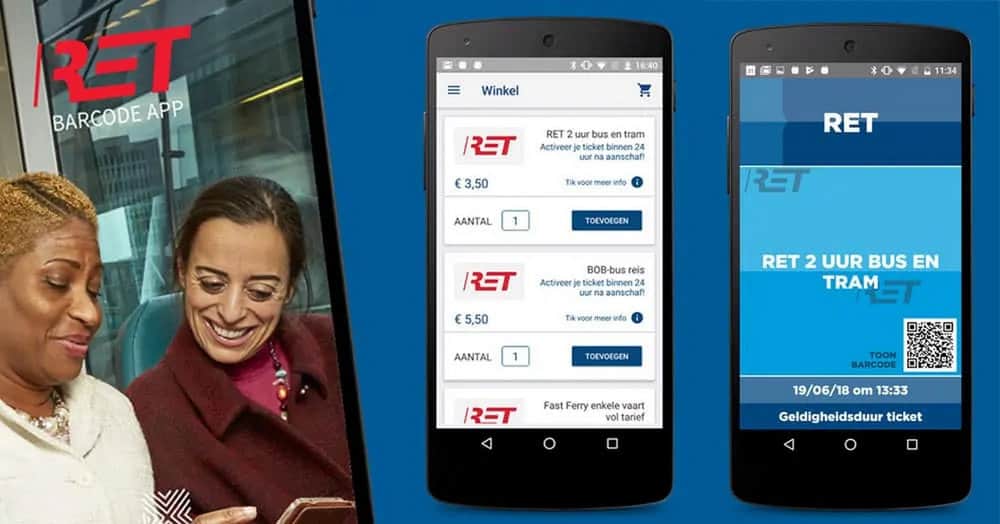
The RET app puts live transit info in your pocket, while tourist info centers around town offer in-person help with maps and local tips.
Using the RET App and Website
The RET app is a must for getting around by bus, tram, or metro. You can check live departures, plan your route, and see updates if something’s delayed or rerouted.
Download it before you show up—it saves confusion at the station. The app tells you which platform to use and how many minutes until your ride arrives. It’s free and works in English, which is a relief if you don’t speak Dutch.
The RET website has the same planning tools if you prefer a bigger screen. You can check timetables, look up ticket prices, and see if your bus is on time. Both the app and site let you save favorite routes, handy if you’re repeating trips to your hotel or a favorite spot.
One thing I appreciate—the app shows if bikes are allowed on the metro at your time. Remember, bikes aren’t allowed during rush hours; you can only bring them between 9 a.m. and 4 p.m., then again after 6:30 p.m.
Where to Get Local Travel Advice
Sometimes you just need to ask someone. Staff at metro stations and bigger tram stops can usually help with basics like routes or connections.
Hotel reception is another good bet. They deal with tourists all day and know the fastest ways to reach major sights by public transport.
If you’re at a hostel, chat with other travelers who’ve been here a few days. They often share real tips about which buses to skip during rush hour or shortcuts they’ve found.
Tourist Information Centres and City Guides
Rotterdam tourist information offices hand out free maps, brochures, and genuinely helpful advice about getting around. The main office sits right in the city center, staffed by folks who actually use the transit themselves.
You can grab printed tram and metro maps here, which come in handy—especially when your phone battery inevitably dies. They also sell the Rotterdam City Card, letting you ride RET transit as much as you want and giving you discounts at museums and restaurants.
The city guides they offer point out tram and bus routes that swing by spots like the Markthal and Cube Houses. Some even list travel times between neighborhoods, so you can plan your day without rushing everywhere.
Sightseeing on the Move: Attractions and Unique Tours
Rotterdam’s transit system isn’t just practical—it’s a sightseeing tool in itself, linking you to museums, historic places, and the waterfront. The city’s amphibious tours and harbor cruises give you views you just can’t get from the street.
Boat Tours and Water-Based Excursions

Rotterdam sits on Europe’s busiest port, so seeing it from the water feels like a must. Spido runs regular harbor tours that leave from near the Erasmus Bridge, letting you get right up close to container terminals and massive cargo ships.
The tours last about 75 minutes. Your captain narrates along the way, pointing out the wild engineering that keeps this port alive.
And then there’s Splashtours. These bright yellow amphibious buses cruise city streets, then—without warning—plunge into the Maas River. You board near Erasmus Bridge, and the whole road-to-water transition happens while you’re still in your seat. It’s touristy, sure, but honestly, it’s a blast. Kids especially go nuts for it.
It’s easy to book most boat tours online, and I’d suggest doing that if you’re visiting in summer. You can reach the docks by tram lines 7 and 20, or just walk from Rotterdam Centraal in 20 minutes.
Historic Sites Along Transit Routes
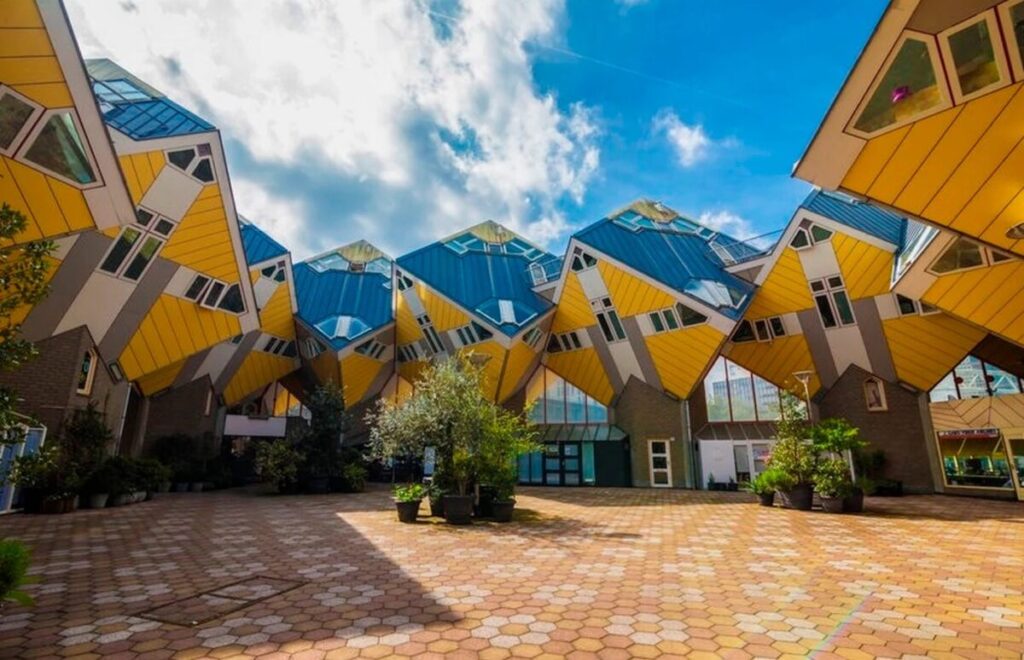
Taking the tram or metro in Rotterdam, you’ll pass by a bunch of major landmarks. The Cube Houses (Kubuswoningen) perch right above Blaak metro station—just pop up from the platform and you’re there.
Delfshaven, one of the few areas that survived the 1940 bombing, sits along tram 4 or metro line D. This old harbor neighborhood shows you what Rotterdam looked like before the war. The windmill and old warehouses feel like a different world compared to the modern center.
The Maritime Museum is on tram route 7, in a historic building by Leuvehaven. Your transit pass gets you there, but you’ll need a ticket to go inside.
Travel to Boijmans Van Beuningen, Euromast, Katendrecht

Boijmans Van Beuningen is closed for renovation until 2028, but the mirrored Depot next door lets you see the museum’s collection up close. Tram 7 to Museumpark drops you right in Rotterdam’s main cultural zone.
The Euromast tower gives you 360-degree views from 185 meters up. Hop on tram 8 toward Spangen, and get off at Euromast. The ride from Centraal takes about 15 minutes. On a clear day, you can see all the way to the North Sea.
Katendrecht—once the red-light district, now a hip spot—sits at the harbor’s southern tip. Metro line D to Rijnhaven gets you close, then it’s a short walk over the bridge. These days, the peninsula is packed with food halls and waterfront hangouts.
| Attraction | Best Transit Option | Travel Time from Centraal |
|---|---|---|
| Boijmans Depot | Tram 7 to Museumpark | 10 minutes |
| Euromast | Tram 8 to Euromast | 15 minutes |
| Katendrecht | Metro D to Rijnhaven | 8 minutes |
You can easily visit all three in a day if you’ve got an all-day transit pass.
Frequently Asked Questions
People always have questions about Rotterdam’s public transport—how to use it, what it costs, whether it’s safe. Here’s what you should know.
What options are available for public transport in Rotterdam?
Rotterdam’s metro, tram, and bus system (run by RET) covers the city well. The metro has five lines (A–E) and trains show up every 4 minutes at most stations.
Trams run through many neighborhoods, while buses fill in the places the metro and tram skip.
Water taxis zip along the Maas River, giving you a pretty unique way to get around and see the harbor at the same time.
What are the ticket prices for public transportation in Rotterdam?
You pay for public transport here based on how far you go. You’ll need an OV-chipkaart (a rechargeable card) to use the metro, tram, and bus.
Single rides start at about €2.50. But if you’re planning more than a couple trips, just load money onto an OV-chipkaart instead of buying single tickets each time.
The Rotterdam city card can save you some cash if you’re hitting up a lot of attractions—it covers unlimited public transport and gives you discounts at museums and other spots.
Is there an efficient tram network available in Rotterdam?
The tram system works great for short trips and checking out different neighborhoods. It’s not as fast as the metro, but it gets the job done.
Trams run often during the day. You can check live times in the RET app.
The tram connects with metro stations and bus stops, so swapping between them is pretty straightforward. That’s handy for reaching places that aren’t right on one line.
Are ride-sharing services like Uber available in Rotterdam?
Yep, Uber runs in Rotterdam. You’ll also find other ride-sharing and taxi services around the city.
They’re more expensive than public transport, obviously. But if you’re out late or lugging heavy bags, sometimes you just want the convenience.
Bike-sharing (like OV-FIETS and Lime) gives you another option. Rotterdam’s bike lanes are excellent, so honestly, cycling is one of the best ways to get around.
Which areas in Rotterdam are considered less safe to visit?
Rotterdam usually feels safe for visitors. The public transport works well, and you can use it day or night without much worry.
Still, like in any big city, it’s smart to pay attention, especially after dark. Keep an eye on your stuff when trams or buses get crowded—pickpockets know what they’re doing.
The historic center and main tourist spots see plenty of patrols, so most folks feel comfortable exploring. If you’re not sure about a neighborhood, locals or your hotel staff probably have the latest scoop.


