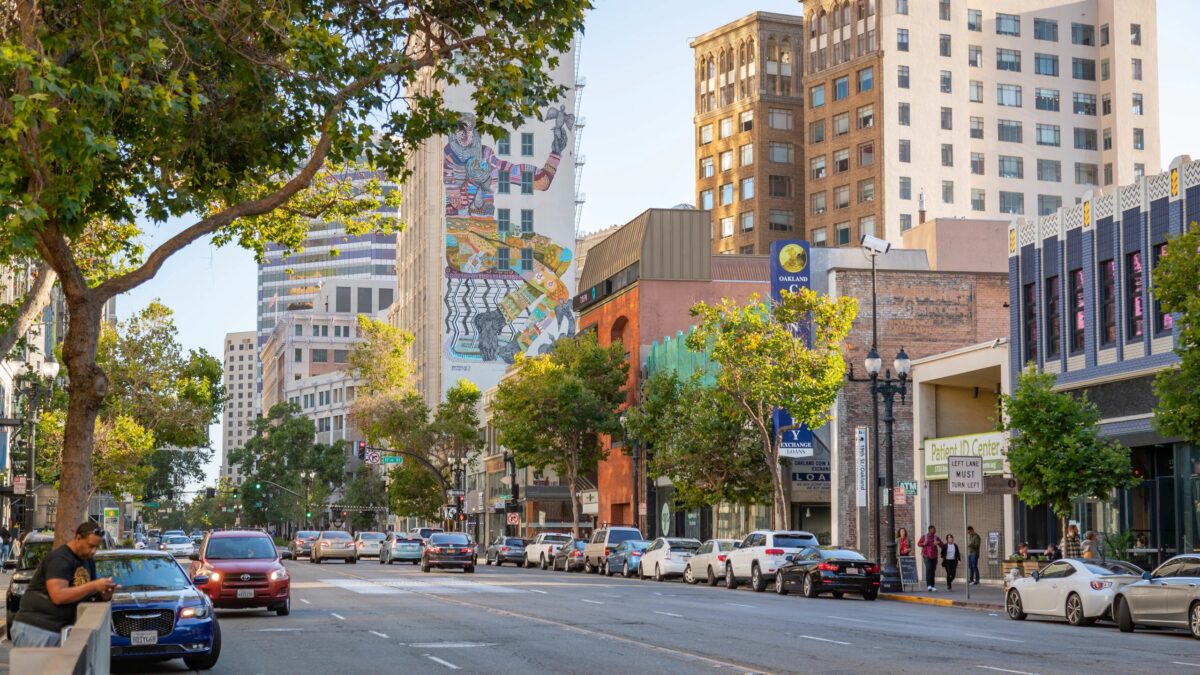
I’ve spent years hopping on and off buses in cities across the country, and Oakland has become one of my favorite places to explore without a car. This Bay Area city sits right between San Francisco and Berkeley, and getting around is honestly easier than most visitors expect. Oakland offers a bunch of ways to get around—AC Transit buses, BART trains, ferries, bikes, and ride-sharing services connect you to neighborhoods, attractions, and nearby cities. You really don’t need to rent a car to experience what makes this city special.
The public transit system works well if you know the basics. AC Transit buses cost $2.10 for a local ride, and BART trains connect you to both Oakland International Airport and San Francisco in under 30 minutes. But it’s not just about trains and buses—bike rentals, scooters, and ferries give you flexibility depending on where you’re headed and how much time you have.
Key Takeaways
- Oakland’s public transit includes AC Transit buses, BART trains, and SF Bay Ferry; these connect you throughout the city and beyond
- You can explore most neighborhoods and attractions without a car using bikes, scooters, or the free Broadway Shuttle downtown
- A Clipper Card works across all transit systems and saves time compared to paying cash for each ride
Getting Around Oakland: Key Transportation Options
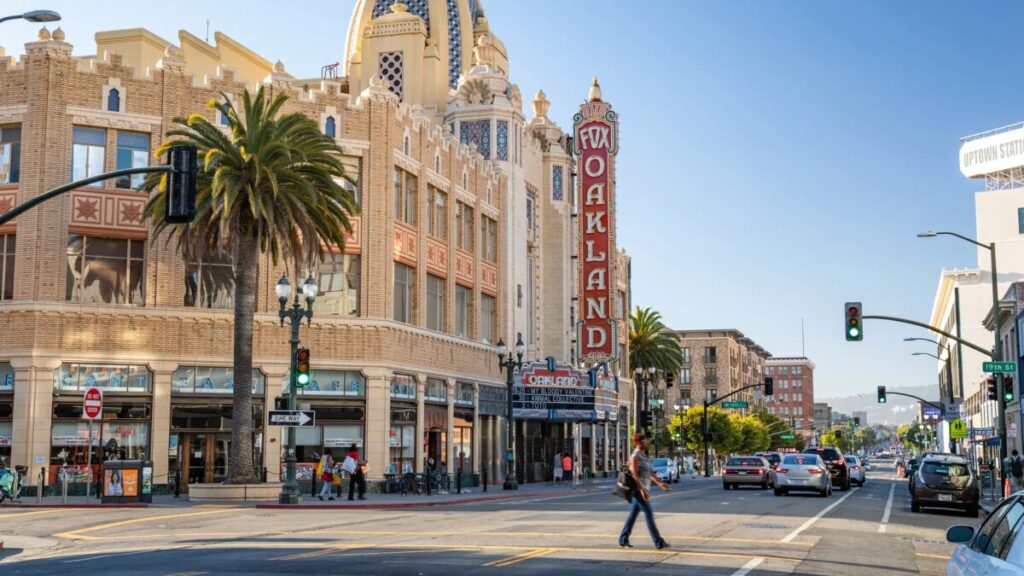
Oakland gives you solid public transit through BART and AC Transit buses, plus bike-friendly streets and walkable neighborhoods. Getting around without a car? Totally doable.
Public Transportation Overview

BART (Bay Area Rapid Transit) is your workhorse for getting around Oakland and the wider Bay Area. The all-electric train system covers 121 miles of track and connects you directly to Oakland International Airport and San Francisco. With 45 stations throughout the region, it’s honestly pretty simple to hop on and reach most major destinations.
AC Transit runs the bus network in Oakland. Local fares are $2.10 for adults, cash or Clipper Card. AC Transit buses also offer Transbay service to San Francisco, plus connections to Berkeley and other East Bay communities. You can bring your bike on board—just check their site for any time restrictions.
Grab a Clipper Card and you can use it on BART, AC Transit, and other Bay Area transit. It’s an all-in-one card that tracks your passes, discount tickets, and cash value. If you’re commuting downtown, the Broadway Shuttle (“the Free B”) is actually free and connects BART, the ferry terminal, and Amtrak stations.
The San Francisco Bay Ferry gets you from Jack London Square to San Francisco in under 20 minutes. Snacks and a full bar onboard—way better than sitting in traffic, honestly.
Biking and Electric Scooters

Oakland really earned its reputation as a bike-friendly city. The street grid and mild weather make cycling practical pretty much all year. You can rent bikes through Ford GoBike (now Bay Wheels) or grab a LimeBike electric scooter to zip around different neighborhoods.
Bay Area Bikes has two rental spots—one in Jack London Square and another Uptown. If you’re mixing transit, bicycles are allowed on AC Transit buses, BART trains, and ferries. Just double-check the routes and any peak-hour restrictions before loading your bike on.
Local breweries have even delivered kegs by bike here. If that doesn’t say something about the cycling culture, I don’t know what does.
Walking in Oakland
Oakland’s compact layout makes walking surprisingly practical. The dense street grid means you’ve got residential areas, shops, and parks all mixed together within a short distance. Walking from one end of the Oakland Business Improvement District to the other takes about 15 minutes.
The mild climate lets you walk comfortably most of the year. Different neighborhoods have their own character, though some parts get hillier than others depending on your route.
Navigating Oakland with Public Transit
Oakland’s public transit system connects you to downtown, the waterfront, nearby cities, and both major airports—trains, buses, and ferries cover all the bases. These options are reliable and cheaper than rideshares, especially with a Clipper Card for hopping between systems.
BART: Bay Area Rapid Transit
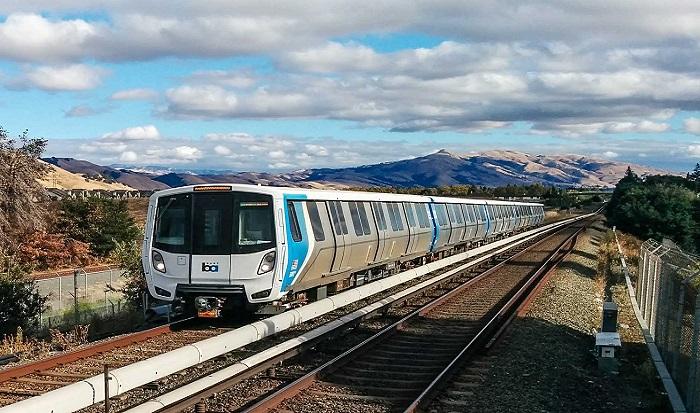
Bay Area Rapid Transit runs all-electric trains that’ll get you pretty much anywhere in Oakland and beyond. The system covers 121 miles of track with 45 stations spread throughout the East Bay, San Francisco, and down to Millbrae.
BART connects directly to Oakland International Airport via the BART to OAK line. The station sits right across from Terminal 1, so it’s super convenient if you’re flying in or out. You can also catch BART from San Francisco International Airport if that’s your landing spot.
Key BART Features:
- Runs daily with frequent service
- Accepts Clipper Card or cash
- Bikes allowed on trains (check for time restrictions)
- Direct airport connections
The trains run fast and skip traffic entirely, which is a huge plus during rush hour. You pay based on distance, so trips within Oakland cost less than rides to San Francisco or other Bay Area cities.
AC Transit Buses
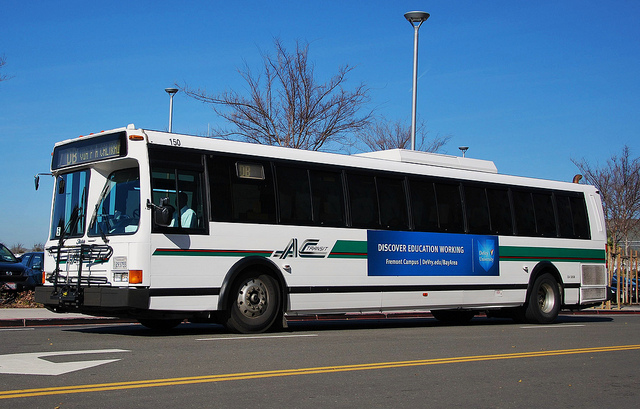
AC Transit operates the local bus network throughout Oakland and neighboring communities like Berkeley. Adult fare is $2.10 per ride, and you’ll need exact cash or a Clipper Card since drivers don’t make change.
The buses run frequently on main routes, though service slows down in the evenings and weekends. Line 96 and other routes connect to BART stations, the ferry terminal, and major neighborhoods. Some routes even cross the bay with Transbay service to San Francisco.
You can bring your bike on AC Transit buses, which gives you more flexibility once you reach your destination. Bike racks do fill up during busy times, so have a backup plan just in case.
Check the AC Transit website before you travel since fares change and routes get updated now and then.
San Francisco Bay Ferry Services

The San Francisco Bay Ferry is hands-down the most scenic way to travel between Oakland and San Francisco. Boats leave from Jack London Square and cross the bay in under 20 minutes—beats bridge traffic any day.
There’s a full bar and snacks onboard, so the ride feels a little like a mini cruise. The ferry also connects Oakland to Alameda, giving you another option if you’re exploring the waterfront areas.
Free parking (with validation) at the ferry terminal makes it easy to drive there and hop on. Bikes are welcome on the ferries too, so you can ride around San Francisco once you arrive.
The Broadway Shuttle
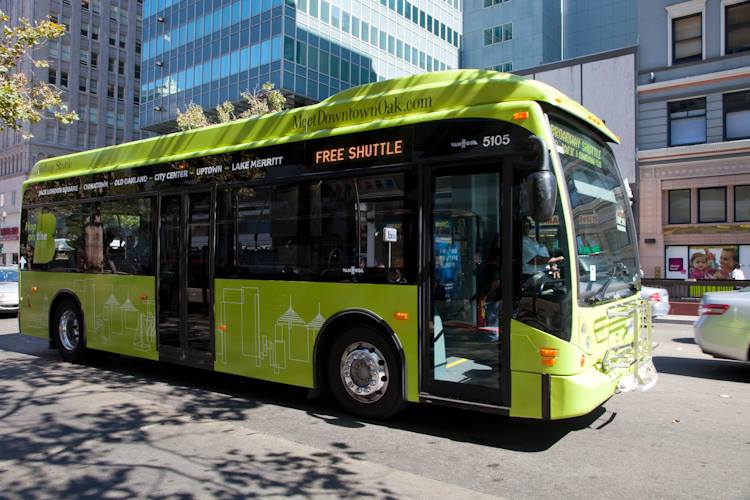
The Broadway Shuttle—locals call it “the Free B”—does exactly what its name suggests. This free shuttle connects BART stations, the San Francisco Bay Ferry terminal, and Amtrak Capitol Corridor to downtown Oakland offices and businesses.
Look for green “B on Broadway” signs marking the stops. You can hop on and off wherever you see these signs, which is perfect for getting around downtown without walking forever. The shuttle runs frequently during business hours, though service is more limited on evenings and weekends.
Alternative Transportation: Bikes, Scooters, and Beyond
Oakland’s become one of the most bike-friendly cities in America, with plenty of options for getting around on two wheels. Bike share programs and electric scooters are scattered throughout the city, so it’s easy to hop on and explore from Jack London Square to Lake Merritt without a car.
Bike Share Programs
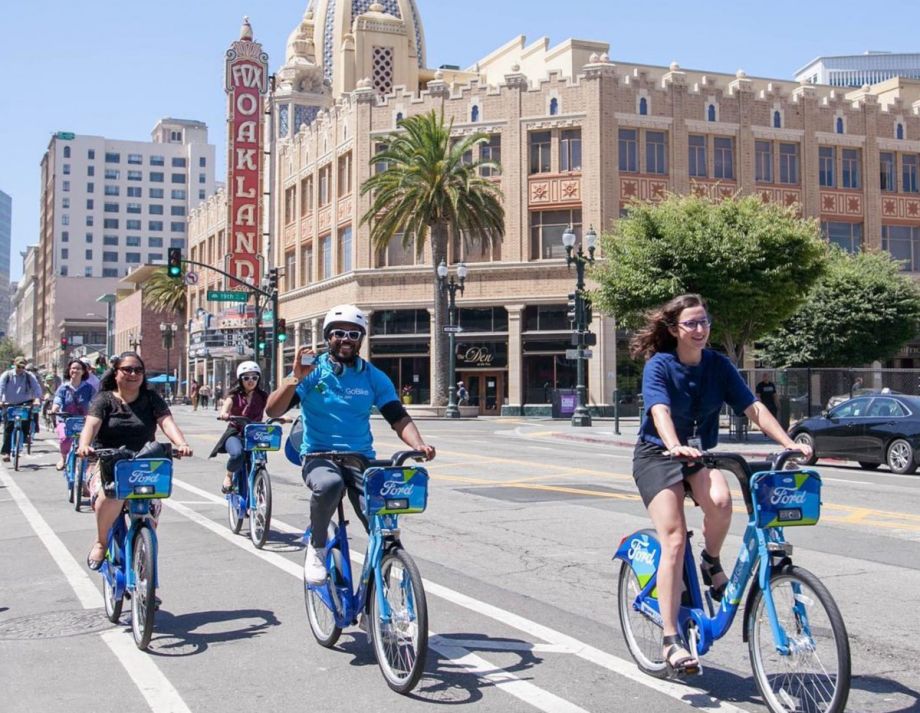
You’ll find bike share stations all over Oakland, especially near popular spots like Jack London Square and around Lake Merritt. FordGoBike (now Bay Wheels) is the main bike share program, with hundreds of bikes at docking stations across the city.
The bikes are pretty easy to use. Grab one with a smartphone app or at the kiosk. Daily passes run about $3 for a single ride, while memberships give you better rates if you’re planning to ride a lot during your visit.
Bay Area Bikes runs rental shops in Jack London Square and Uptown if you want a bike for longer. They’ve got a good selection and the staff actually know the best routes around the city.
One thing to keep in mind—you can take your bike on BART, AC Transit buses, and the ferry. Just check schedules since there are some restricted times during rush hour.
Electric Scooters and Rentals
Electric scooters have taken over Oakland in a big way. LimeBike and Lyft scooters are everywhere, so you won’t have trouble finding one when you need it.
The cost is reasonable—usually $1 to unlock and around 15-30 cents per minute. Both companies offer discount programs if you qualify, which can bring the price down quite a bit. Lime Access, for example, has served millions of discounted trips for riders who need affordable transportation.
Download the apps before you start exploring. You’ll need them to unlock scooters and find available ones nearby. Scooters work great for short trips and getting between transit stops. They’re faster than walking but slower than biking, so they’re perfect for cruising around neighborhoods.
Just remember—not on the sidewalks. Stick to bike lanes and streets.
Safety Tips for Cyclists
Oakland’s streets can be tricky if you’re not used to city cycling. The hills are no joke in some areas, so pace yourself if you’re not in top shape.
Always wear a helmet. Seriously, the roads get busy and drivers aren’t always paying attention. Most bike share programs don’t provide helmets, so bring your own or pick one up at a local shop.
The Lake Merritt loop is one of the safest and most scenic routes for cyclists. It’s a popular spot with dedicated paths that keep you away from heavy traffic. If you’re new to biking in Oakland, start there.
Watch for car doors opening into bike lanes. It happens more than you’d think, especially in busy areas downtown. Give parked cars some space when you can.
Night riding? You need lights—front white, rear red. It’s California law, and honestly, it keeps you visible to drivers who might not see you otherwise.
Getting Around by Car, Ride Share, and Taxi
Oakland sits at the center of major Bay Area highways, so cars are a practical choice for exploring the city and beyond. Ride-sharing apps usually cost $8-$15 for most trips, and taxis are still reliable at hotels and events.
Car Rentals and Driving Tips
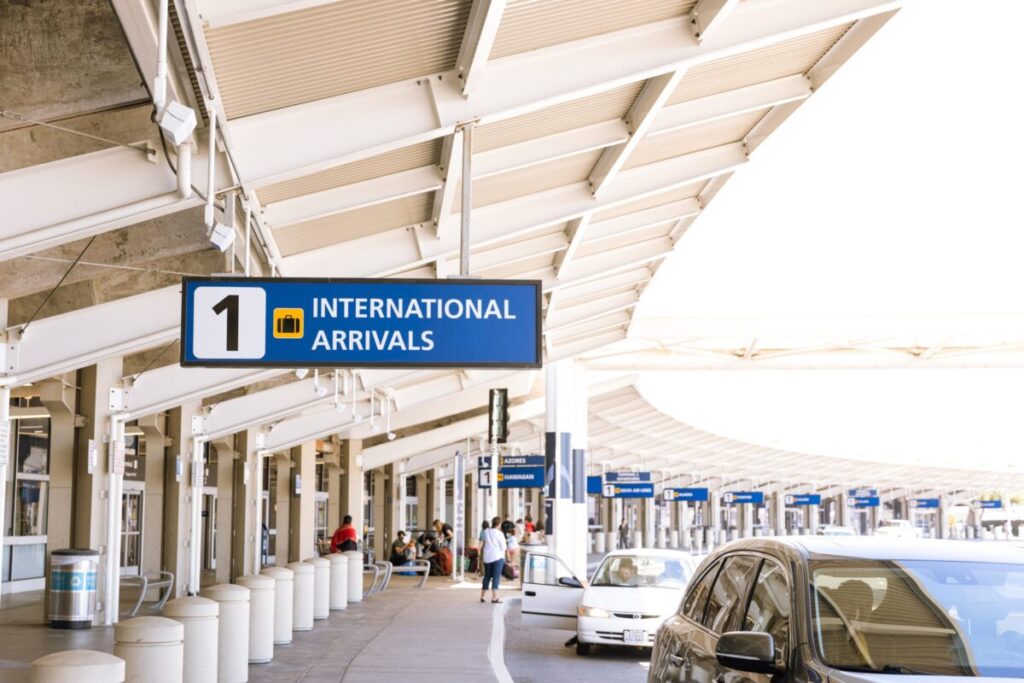
You’ll find car rental offices at Oakland International Airport (OAK) and the Oakland Convention Center downtown. Major companies operate at both spots, and you can also try short-term options like Gig Car Share (new members can use promo code TRYGIG for $15 off) or Zipcar.
Driving gives you quick access to San Francisco, Berkeley, and even wine country in Napa and Sonoma. The highway network is extensive, but traffic gets heavy during rush hours, especially on main routes.
Parking can get tricky in busy areas like downtown and Uptown. You’ll have better luck in residential neighborhoods. Street parking usually requires payment during business hours, so keep quarters handy or download a parking app.
If you’re planning day trips to Tahoe or Yosemite, a rental car makes the most sense. Public transit won’t get you to those destinations efficiently.
Ride-Sharing Apps
Uber and Lyft work well across Oakland. Most rides between neighborhoods cost $8–$15, but prices spike during surge times. In busy spots like Jack London Square and downtown, you’ll usually get picked up fast.
These apps are a solid choice for evening trips when you’d rather skip parking hassles or waiting for the bus. Most drivers know Oakland inside out and might even tip you off to local gems worth visiting.
OAK Airport sets aside marked zones for ride-share pickups. It’s typically cheaper than a taxi for getting to your hotel.
Taxi Services

Traditional taxis still cruise Oakland, and you’ll spot them at big hotels, the Oakland Convention Center, and sports venues. No need to book—just walk up and hop in.
Drivers take cash and cards, but it’s smart to double-check before you ride. Cabs come in handy if your phone dies or you’re stuck somewhere with weak cell service.
For airport trips to OAK Airport, cabs are reliable but pricier than ride-shares. On the plus side, you won’t get hit with surprise surge pricing.
Plan Your Visit: Best Times, Where to Stay, and Getting to Major Destinations
Oakland’s easier to navigate if you time your trip right and pick a place to stay that actually works for public transit. Weather’s mild most of the year, but some months bring more festivals and smoother bus rides.
Best Time to Visit Oakland

Spring and fall really are the best times to visit. March through May usually means temps in the 60s and 70s, and you get the Oakland Art Murmur and music festivals without summer crowds.
September to November offers similar weather and the bonus of harvest season at local farmers markets. Still, Oakland’s Mediterranean vibe means you can visit almost anytime. Summer (June–August) gets warm but rarely too hot—think 75–80°F tops. Mornings can be foggy, though.
Winter (December–February) brings more rain. It’s not a dealbreaker for bus travel, but you’ll want a rain jacket and should expect the occasional delay. The upside? Hotels drop their prices and you’ll have places like Jack London Square mostly to yourself.
Choosing Your Accommodation

Downtown puts you right at the center of AC Transit’s network. You’re close to the 19th Street BART station and tons of bus lines heading all over Oakland.
Uptown’s great too—artsy feel, plus you’re near the Broadway corridor with frequent buses. Jack London Square looks gorgeous but can feel a bit isolated at night, though the free Broadway Shuttle links you to BART during the day.
If you’re watching your budget, try Temescal or Rockridge. They’re cheaper and still well-connected. The 51 and 12 buses run through Temescal all the time. Wherever you stay, make sure you’re within a 5–10 minute walk of BART or a major bus line—it matters way more than being next to the main sights.
Getting to and from Oakland International Airport
The airport sits about 10 miles south of downtown, and you’ve got a few decent bus options. AC Transit Line 73 runs straight between the airport and downtown, usually taking 30–40 minutes depending on traffic.
The cheapest way combines the AirBART shuttle ($2) with BART. AirBART picks you up outside the terminals and drops you at Coliseum BART in about 15 minutes. From there, it’s just one stop to downtown Oakland.
If you’re heading to other Bay Area spots, that BART link opens up the whole region. Line 73 also connects to Fruitvale BART for more options. Both run often during the day but thin out after 8 PM—so plan ahead if your flight’s late.
Exploring Top Oakland Neighborhoods and Landmarks Without a Car
Most of Oakland’s popular neighborhoods sit close together, linked by buses, BART, ferries, and walkable paths. You can get to Jack London Square, Lake Merritt, downtown, and outdoor spaces with public transit or just your own two feet.
Jack London Square and the Waterfront

Jack London Square anchors Oakland’s waterfront with restaurants, shops, and regular events right on the bay. The San Francisco Bay Ferry docks here, connecting you to San Francisco and Alameda in under 20 minutes.
The Broadway Shuttle (locals call it “the Free B”) runs between Jack London Square, BART, and downtown for free. Just hop on when you see the green “B on Broadway” logo. AC Transit buses stop here too.
Strolling Jack London Square takes maybe half an hour for the main waterfront stretch. You’ll pass Heinold’s First and Last Chance Saloon (Jack London’s old hangout), street performers, farmers markets on Sundays, and lots of outdoor seating—weekends get lively.
Want to go further? The ferry terminal building rents bikes for the bay trail. Honestly, arriving by ferry just beats traffic—you get snacks, a bar, and bay views on the way.
Lake Merritt and the Loop

Lake Merritt sits in the middle of Oakland, with a 3.4-mile path (the Lake Merritt Loop) that draws joggers, walkers, and cyclists all day. Several AC Transit bus lines stop around the lake, and Lake Merritt BART puts you steps from the eastern shore.
The Oakland Museum of California is on the south side at 1000 Oak Street. It covers California art, history, and natural sciences. From Lake Merritt BART, it’s a quick five-minute walk.
Around the lake, you’ll spot Grand Lake Theatre’s neon sign, Children’s Fairyland (the country’s first storybook theme park), and the Pergola and Colonnade on the north end. The neighborhood’s super walkable, too.
Lakeside Park lines the northeast shore with gardens, a boathouse, and lots of places to sit. On weekends, local food vendors set up near the Grand Avenue entrance. Bring snacks and watch the pelicans and herons—Lake Merritt was actually America’s first wildlife refuge.
Downtown and Uptown Highlights

Downtown Oakland packs Art Deco buildings, galleries, restaurants, and bars into walkable blocks. Uptown (around Broadway and Telegraph) has become the city’s entertainment center, with the Fox and Paramount theaters hosting concerts and shows.
Multiple BART stations serve the area, including 19th Street and 12th Street. AC Transit buses run often along main streets. The Free B shuttle links downtown spots so you don’t have to walk forever with tired feet.
Oakland’s Chinatown sits between 7th and 11th streets—one of the oldest in the country. You’ll find small groceries, dim sum, and bakeries. Fridays are the busiest.
The Paramount Theatre on Broadway is worth a look, even if you’re not seeing a show. This 1931 Art Deco gem offers tours on the first and third Saturdays. City Hall is nearby at 14th Street, and its Beaux-Arts style makes it a fun photo stop.
Parks, Trails, and the Great Outdoors
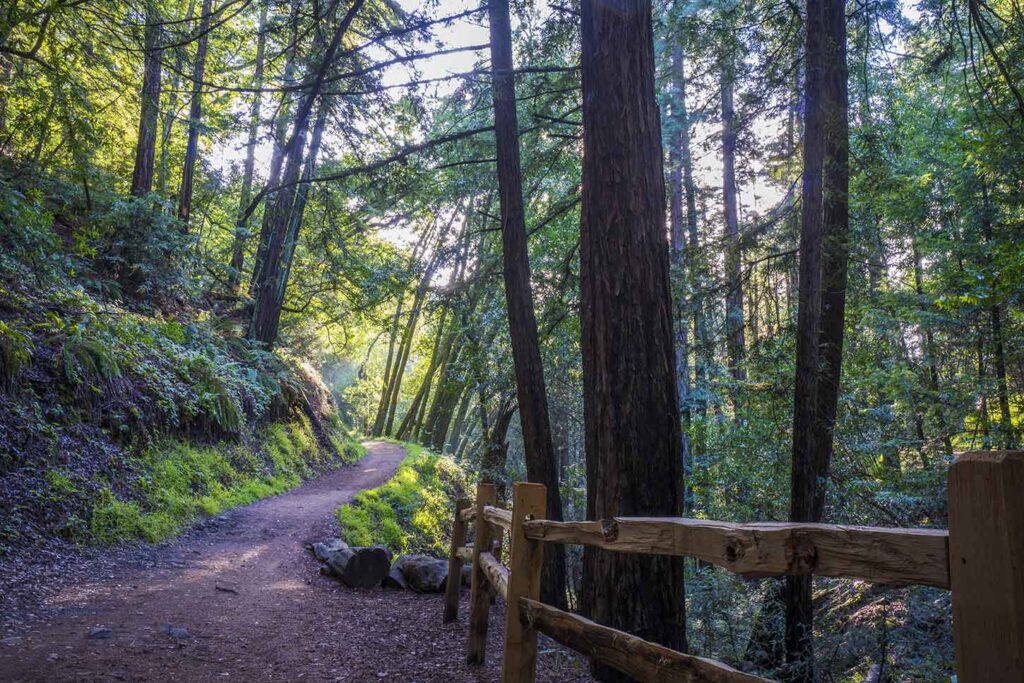
Joaquin Miller Park sprawls across 500 acres in the Oakland hills with redwoods, hiking trails, and city views. AC Transit line 339 takes you from downtown to the park entrance, but this bus doesn’t run as often as others—check the schedule before you go.
Redwood Regional Park protects even more redwoods with 40 miles of trails. Getting there without a car takes some planning—you’ll need AC Transit and maybe a transfer or two, depending where you start.
Honestly, the hillside parks are the trickiest for car-free visitors since transit isn’t as frequent. But Lake Merritt, the bay trail, and smaller parks like Mosswood Park stay easy to reach by bus or BART.
The East Bay Regional Park District keeps trails throughout Oakland’s hills. If you’re serious about hiking, you might want to rent a bike or grab a rideshare for the climb, then use transit to get back down. Some trails lead right into neighborhoods where you can catch a bus after your hike.
Frequently Asked Questions
Oakland’s got plenty of ways to get around, from electric trains and buses to bikes and ride-shares. Here are answers to questions folks ask all the time about getting around the city.
What are the best public transportation options in Oakland?
BART and AC Transit are your main options for public transit. BART runs electric trains connecting Oakland to the airport, San Francisco, and the East Bay. With 45 stations, it’s easy to hop on and off.
AC Transit handles the bus routes. It’s $2.10 for a local adult pass (cash or Clipper Card). Buses run frequently between San Francisco and Oakland, and they reach nearby cities like Berkeley.
The San Francisco Bay Ferry is worth a look if you’re traveling between Oakland and San Francisco or Alameda. It’s under 20 minutes across the bay, and you can grab a snack or drink from the onboard bar. Free parking comes with validation—not bad.
Can I use ride-sharing services like Uber in Oakland?
Yep, Uber and Lyft work all over Oakland. Just open the app, request a ride, and a driver picks you up like anywhere else.
Ride-sharing comes in handy when buses aren’t running or you need to get somewhere fast. Hotels and big event venues are easy pickup points.
Prefer taxis? They’re around too. You’ll find cabs waiting at most hotels and major events.
What is the coverage area of Oakland’s BART system?
BART covers a pretty wide area across the Bay. Trains run from Oakland International and SFO into Oakland and the East Bay.
You can also ride BART from San Francisco down to the Millbrae/Caltrain station past SFO. With 45 stations, you’ve got good coverage for commuting or exploring.
The new BART station at Oakland International sits right in the parking lot across from Terminal 1. At SFO, the station’s in International Terminal G, so airport connections are pretty straightforward.
Is it feasible to explore Oakland without a car?
You can absolutely get around Oakland without a car. The city’s known as one of America’s most bike-friendly places, which says a lot about the infrastructure here.
Public transit covers most places you’d want to go. BART, AC Transit buses, and ferries connect downtown, the waterfront, and nearby neighborhoods.
Biking’s huge—one local brewer even delivers kegs by bike. You can rent bikes through FordGoBike or hop on a LimeBike scooter to cruise different areas. Bikes are allowed on ferries, AC Transit, and BART, but check their sites for any time restrictions.
The Broadway Shuttle (aka “the Free B”) offers free rides connecting BART, the San Francisco Bay Ferry, and Amtrak to downtown offices. Just look for the green “B on Broadway” sign to hop on or off.
What are the operating hours for the Broadway Shuttle in Oakland?
Honestly, the search results don’t give exact operating hours for the Broadway Shuttle. Probably best to check the shuttle’s official website or just call 511 to get the latest schedule.
This shuttle’s a free ride, mostly for commuters and folks heading downtown. Since it connects with BART, ferry, and Amtrak, it probably runs during regular weekday commute hours, but that’s just a guess.
You could also try 511.org for trip planning across Bay Area transit. They usually have the most current info for the Broadway Shuttle and other local options.


