
Getting around Santorini doesn’t have to stress you out, even if the island’s winding roads and summer crowds seem a bit much at first glance. You’ve got five main ways to get around: local buses, taxis, rental cars, ATVs and scooters, and boats for the coast. Each one comes with its own quirks, and what works best depends on where you’re staying and what you’re hoping to see.
Honestly, your choice depends on your budget and how you like to travel. Most folks end up mixing it up—maybe you take the bus to Oia, then rent an ATV for a day to chase down those hidden beaches or sleepy villages.
This guide breaks down each option so you can pick what fits your trip. I’ll get into real costs, booking tips, and which areas are easier to reach with different types of transport.
Key Takeaways
- Santorini offers buses, taxis, rental vehicles, and boats as main transportation options
- Renting a car or ATV gives you the most flexibility to explore beyond tourist areas
- Public buses are budget-friendly but get crowded during peak summer season
Best Ways to Get Around Santorini

Santorini transportation really comes down to what matches your travel style and budget. You’ll have to balance freedom and cost, convenience and adventure.
Choosing the Right Transport for Your Itinerary
If you’re hoping to hit several beaches, wineries, and villages in a single day, renting a car makes the most sense. The island’s not huge—just about 18 kilometers long—but bus schedules rarely line up with sunset plans or those last-minute detours to a tucked-away taverna.
If you’re sticking to Fira or Oia, you might not need a rental at all. Both towns are super walkable, and buses connect them pretty reliably during daylight. But if your hotel is tucked away from the main bus routes, you’ll probably spend a chunk of your budget on taxis.
ATVs and scooters are a blast, but honestly, they’re not the best for couples who want to ride together comfortably. The roads twist and narrow, especially near Imerovigli. I’d only go for this if you’re confident with sharp curves and don’t mind showing up to dinner windswept and sun-kissed.
Tour packages are handy for first-timers who want the highlights without any hassle. You won’t deal with parking or navigation, but you’re on someone else’s schedule, so there’s that tradeoff.
What to Expect from Each Option
Rental cars go for about €40-70 per day in summer. You’ll find both manual and automatic, though automatics cost extra. Parking in Oia after 10am? Forget it. Most villages have free spots nearby, though.
Public buses run every 30 minutes or so between major towns in peak season. Single tickets are €2-3, but things get packed between 4-6pm. Fira’s the main hub, and the last buses leave early—around 10pm in summer.
Taxis don’t use meters; drivers just quote you a flat rate. It’s about €20-30 from Fira to Oia, or €25 from the airport to most hotels. You’ll need to call ahead—don’t bother trying to flag one down on the street.
ATVs cost €25-40 a day and only require a basic driver’s license. Gas is cheap, but you’ll be out in the sun and wind all day long.
Budget vs. Convenience Comparison
| Transport | Daily Cost | Best For | Limitations |
|---|---|---|---|
| Bus | €10-15 | Solo travelers, tight budgets | Limited evening service |
| Rental Car | €40-70 | Families, flexible schedules | Parking struggles in peak hours |
| ATV/Scooter | €25-40 | Adventurous couples | Weather dependent, limited storage |
| Taxi | €60-100+ | Stress-free sightseeing | Adds up quickly |
The bus is by far the cheapest way to get around Santorini if you’re solo. But if you split a car rental with two or three people, it’s about the same—and you get way more flexibility.
And hey, your time matters. Waiting 45 minutes for a bus to Perissa Beach when you could drive there in 15? That’s a sunset you’re missing out on.
Getting Around Santorini by Bus
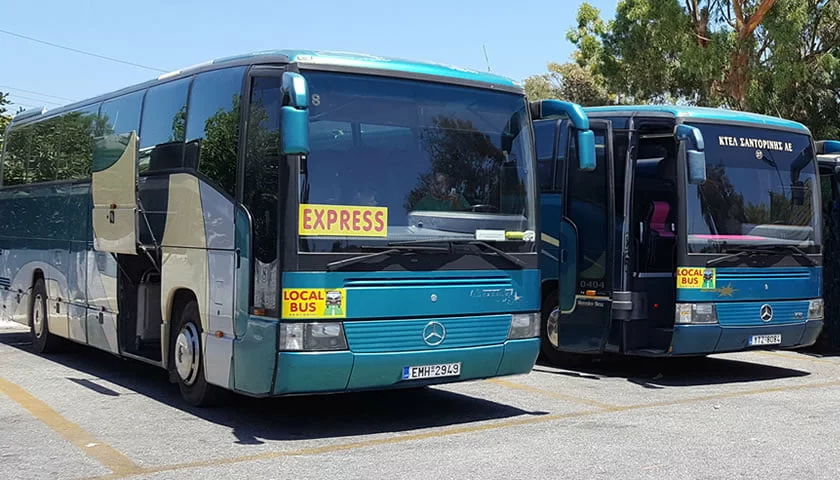
The KTEL bus system connects all major towns and beaches, running from a central hub in Fira. Tickets cost between €2.00 and €2.50 per ride, and you’ll need cash. In summer, buses run often, but they’re usually packed—think standing room only.
Guide to the KTEL Bus Network
KTEL runs Santorini’s public buses, and here’s what a lot of guidebooks gloss over: every route starts and ends in Fira. So, if you’re in Oia and want to get to Perissa Beach, you can’t go direct. You’ll ride Oia to Fira, then Fira to Perissa—two tickets.
Tickets are €2.00 for short trips like Fira to Oia, and €2.50 for longer ones like Perissa or Kamari. No day passes, no round-trip deals. If you’re bouncing around the island, it adds up quickly.
Bus frequency changes a lot with the seasons. June to September, Fira-caldera buses run every 20-30 minutes. Beach routes are every 30-60 minutes. If you’re here in winter, service drops way down—some routes only run twice a day.
Fira Bus Station: The Island’s Main Transit Hub
The Fira bus station is the heart of the network. Usually, 4 to 6 buses line up, each with a yellow sign in the window for the destination. Sometimes, the airport and ferry port buses aren’t labeled at all, which is confusing.
When you get there, check the info kiosk for route questions. The latest schedules are posted on a board—snap a photo with your phone, because the official KTEL website rarely updates. I wish it were better, but it’s just not.
The bus to Athinios Ferry Port doesn’t run on a set schedule. Instead, it lines up with ferry arrivals and departures, which change every day.
Tips for Using the Bus System Efficiently
Arrive early at bus stops, especially in July and August. Popular routes like Fira to Oia fill up fast, and if a bus is full, it won’t stop. You could be waiting a while for the next one.
Always carry cash in euros. Conductors won’t take cards, even though a few new buses are testing tap-to-pay. Don’t count on it. Bring small bills and coins, especially for your first ride from the airport or port.
At big stations, you’ll pay an attendant before boarding, or sometimes after you sit when the conductor comes around. At smaller stops, flag the bus down—wave and make eye contact with the driver. Once on board, just wait for the conductor to collect your fare.
If you need to get off at a lesser-known stop like Finikia or Exo Gonia, tell the driver when you board. Some buses have buzzers, but honestly, you need to know where you are. The landscape all blends together. Sitting near the driver helps, or just follow along on Google Maps if you’ve got data.
And just a heads up about Greek transportation strikes: they pop up with almost no warning and can shut down all buses, ferries, and flights. May 1st is notorious for a big national strike—avoid booking anything important that day if you can.
Taxis and Private Transfers in Santorini

Santorini’s got maybe 40 to 50 taxis for the whole island, so getting one in busy months is surprisingly tough. Fares are higher than most Greek islands, and you’ll need to book ahead if you want a taxi you can count on.
Finding and Booking Taxis in High Season
Here’s the deal: taxis in Santorini are like unicorns when you need them most. From May to September, demand totally overwhelms supply.
You’ll spot taxi stands in Fira near the main square and bus station, at the airport by arrivals, and in Oia close to the bus terminal. But don’t expect a taxi to always be there. On summer afternoons when cruise ships dock or during sunset rush, you might wait half an hour or more.
Best bet? Book ahead. Call a local taxi service or ask your hotel to arrange one (though they often add a markup). Some people get lucky calling the morning of, but in July and August, that’s a gamble.
If you’re staying somewhere remote like Perivolos or Vlychada, forget about flagging a taxi. You’ll have to call, and sometimes the driver won’t even know exactly where your villa is.
Uber technically exists in Santorini, but with so few drivers, it’s basically a mirage. I wouldn’t rely on it.
Fixed Rates, Fares, and Local Taxi Apps
Santorini taxi fares are steep compared to the rest of Greece. A short hop in Fira runs €10-15, which feels wild for a five-minute ride.
Here’s what you’ll usually pay:
| Route | Typical Fare |
|---|---|
| Airport to Fira | €20-40 |
| Fira to Oia | €20-30 |
| Airport to Oia | €30-40 |
| Fira to Perissa Beach | €20-25 |
Prices jump at night or if you’re booking last minute in peak season. Most Santorini taxi drivers don’t use meters for tourist routes—they just quote a fixed price. Always confirm before you get in.
Payment is usually cash, though more drivers take cards now. Still, don’t count on it—bring euros.
Short trips between Fira, Firostefani, and Imerovigli might run €15, even though you could walk it in 20 minutes. The pricing doesn’t always make sense, but that’s just how it goes here.
Private Transfer Services Explained
Private transfers aren’t your average Santorini taxi. You’re booking a specific driver and vehicle ahead of time, usually online or through your hotel. The car arrives right when you need it, the driver already knows your details, and the price is set—no surprises.
This option does cost more than a regular taxi (think €10-20 extra sometimes), but honestly, the peace of mind is worth it. For airport or port pickups, it’s a small price to pay to skip the uncertainty.
Why people like it: guaranteed pickup, no waiting around, newer cars with actual air conditioning, and drivers who usually speak pretty good English. If you’re feeling fancy, some services even offer luxury rides, but a standard car gets the job done for most.
You can book through your hotel, local transfer companies, or big international platforms. Just double-check your pickup spot—Santorini addresses can be confusing, and GPS isn’t always reliable in those twisty village alleys.
You can book a driver for a whole day of sightseeing, but expect to pay €150-250 or more. Just remember, your driver isn’t a licensed tour guide, so don’t count on a deep dive into the island’s history.
Driving in Santorini: Car, ATV, and Scooter Rentals
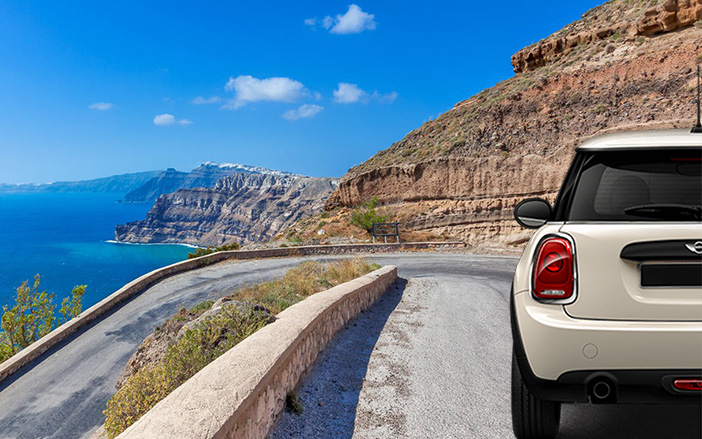
Renting your own wheels in Santorini gives you total freedom, but those narrow cliff roads and sometimes wild traffic can make it a nerve-wracking adventure. Before you decide to drive, get familiar with the local rules, parking headaches, and safety basics.
Car Rental: Pros, Cons, and Local Rules
With a car, you can reach hidden beaches and little villages the buses skip. You leave when you want, and you’re not packed onto a bus with dozens of other tourists.
But the roads? They’re seriously tight. You’ll squeeze past oncoming cars on cliffside bends where it feels like there’s barely space for one vehicle. Some stretches don’t even have guardrails between you and a sheer drop. Not for the faint of heart.
Parking is brutal. In Fira and Oia, you might circle forever hunting for a spot that just doesn’t exist. When you finally find one, it’s often a creative mess—cars jammed onto sidewalks, half-blocking alleys, you name it.
Greek rental agencies want your passport and a credit card. Most set the minimum age at 21 or 23. Expect to pay €30-60 per day, depending on the car and time of year.
Check your rental car carefully before leaving. Snap photos of any scratches or dents. Some agencies try to blame you for old damage if you don’t have proof.
ATVs and Scooters: What to Know Before You Ride
ATVs and scooters are everywhere here. They’re cheaper than cars, easy to park, and make zipping between villages a breeze.
But accidents are common. Some roads are slick marble, especially after rain. Scooters can skid on loose gravel. Drivers take corners like they own the place, and you’ll share those narrow lanes with giant tour buses.
Helmets are the law in Greece, even if you see tourists ignoring them. Don’t risk it—a helmet really could save your life here.
ATV rentals usually run €20-40 per day. Scooters are a little less, around €15-30. Most shops don’t ask for a motorcycle license for ATVs under 50cc, but you’ll need one for anything bigger.
Check your travel insurance before you rent. A lot of policies don’t cover scooter or ATV accidents, and you don’t want to get stuck with a massive bill if something goes wrong.
International Licenses and Safety Considerations
You need an International Driving Permit (IDP) to drive legally in Greece. Your home license isn’t enough. The IDP translates your license into Greek and costs about $20 from your local auto club.
Some rental shops won’t ask for it, but Greek police can fine you if you’re caught without one. Worse, your insurance might not cover you if you get in an accident while driving illegally.
For scooters over 50cc, you need a real motorcycle license. Some shops ignore this, but it’s a big risk. If you crash and don’t have the right license, you’re on the hook for all the costs.
Greece drives on the right. Speed limits are 50 km/h in towns, 90 km/h on main roads, though locals often treat those as suggestions. Buckle up—seatbelts are required for everyone.
Parking and Traffic Tips for Visitors
If you’re driving to Oia or Fira, get there early. Parking disappears by mid-morning, especially anywhere near sunset. You might have to park a good 20-minute walk from where you actually want to be.
Main parking in Fira is near the bus station and along the ring road. Oia has a public lot at the village entrance, but it’s tiny and usually a mess.
Don’t trust Google Maps for drive times in Santorini. It doesn’t factor in how slowly you’ll crawl along cliff roads or the time you’ll waste looking for parking. Add at least 30% to whatever Google tells you.
Watch for scooters popping out of side streets with zero warning. Locals know every curve by heart and drive like it. You don’t.
If someone flashes their headlights, it usually means they’re coming through and you should back up or pull over. On narrow roads, the uphill driver generally gets the right of way.
Gas stations close early and are scarce outside main towns. Fill up in Fira or Kamari before heading anywhere remote. Running out of gas on a cliff road? That’s a hard no.
Alternative Transportation Options

Buses and rentals aren’t the only ways around Santorini. The island’s got some unique options that double as sightseeing. Tours handle logistics for you, the famous hiking trail shows off the best views, and bikes let you explore on your own terms.
Guided Tours: Effortless Island Exploration
Tours with included transport are a lifesaver if you don’t want to stress about driving or figuring out bus schedules. You just show up, someone else handles the details, and you actually get to enjoy the ride.
Most tours pick you up from your hotel and hit several spots in one go—wineries, beaches, villages—without the parking drama or missed buses. Drivers often share local tidbits you’d never find in a guidebook.
Wine tours are especially popular since the vineyards are scattered and buses don’t go there. You can sample your way across the island without worrying about who’s driving back.
Popular tours:
- Oia sunset trips with transport included
- Volcano and hot springs boat cruises
- Wine tasting tours with multiple stops
- Full-island tours covering beaches and traditional villages
Booking through sites like GetYourGuide or Viator lets you compare what’s out there and see real reviews before you decide.
Walking the Famous Fira to Oia Trail
The hike from Fira to Oia sounds tough, but it often ends up being the best part of the trip. The 10-kilometer trail follows the caldera edge, so you get jaw-dropping views of the cliffs and the sea the whole way.
The path winds through Fira, Firostefani, and Imerovigli before you hit Oia. Along the way, you’ll pass blue-domed churches, local homes, and plenty of places to stop for coffee or lunch with a view. It takes about three to four hours if you’re taking it easy and snapping photos.
Start early or late to dodge the midday heat. The trail’s mostly exposed, and there’s not much shade. Wear real sneakers or hiking shoes—the marble and stone can get slippery.
Once you reach Oia, hop a bus back to Fira instead of hiking all the way again. Buses run regularly during the day, but they fill up fast near sunset.
Cycling and E-Bike Rental Insights
Bikes and e-bikes give you more freedom than walking and aren’t nearly as intimidating as driving a car or ATV. E-bikes are especially handy here—Santorini is basically one long hill.
Standard bikes work for flatter roads between beaches like Perissa and Kamari. If you want to tackle the hills or get up to the caldera villages, go electric. Your legs will thank you.
Rental shops are everywhere in Fira and most villages. It’s cheaper than a car and way less hassle to park. Just lock your bike up anywhere—no endless circling required.
Traffic can get wild in peak season, though. The roads are tight, and drivers don’t always give cyclists much space. Stick to quieter routes when you can, and always wear a helmet.
Why e-bikes are great:
- Climb steep hills without killing yourself
- Much easier to park than cars or ATVs
- More eco-friendly than gas vehicles
- Cover more ground than walking
Getting to and From Santorini: Arrivals and Transfers

Santorini has two main entry points: the airport and Athinios Port. Most people fly in from Athens or other European cities, while ferries connect the island with mainland Greece and other Cycladic islands.
Santorini Airport and Port Arrival Logistics
Santorini Airport is tiny but somehow manages a surprising amount of summer traffic. It’s about 6 kilometers from Fira, the island’s capital.
The airport’s basic—don’t expect much more than essentials. Once you grab your bags, you’ve got a few ways to get to your hotel. Taxis wait outside but are in high demand and usually charge €20-30 for most trips.
Buses run between the airport and Fira for around €2, but they’re not super frequent and might not sync with your flight. Many travelers just book a private transfer ahead of time. It costs more, but after a long flight, not having to scramble for a ride is pretty nice.
If you’re looking for flights, book as early as you can for peak season (June through September). Prices skyrocket if you wait, and popular routes sell out fast.
Navigating Athinios Ferry Port
Athinios Port clings to the island’s western cliffs, about 400 meters below the main road. It’s the main ferry terminal—if you’re arriving by boat, this is where you’ll land.
The port’s all business, not much charm. There’s a small waiting area, ticket booths, and a couple of cafes. Ferries from Piraeus (Athens’ main port) usually take 5-8 hours, depending on the kind of boat, but high-speed catamarans shave it down to about 5 hours.
Getting from Athinios Port to your hotel takes a bit of advance thought. The road up is steep, narrow, and zigzags along the cliff. Buses meet most ferries and cost around €2-3 to Fira, but they fill up fast and won’t drop you everywhere.
Taxis hang around but not in huge numbers. In busy times, you might stand around for 30-45 minutes. Pre-booking a transfer is just easier—especially if you’ve got big bags or your ferry gets in late, after the buses have stopped.
Connectivity to Neighboring Islands
Santorini sits down in the southern Cyclades, so it’s a handy base for island hopping. Ferries run regularly to Mykonos, Naxos, Paros, and Ios during the sailing season.
Athinios Ferry Port handles all inter-island routes. Fast ferries to Mykonos take 2-3 hours, while the regular ones need 4-5. Naxos is closer—about 2 hours if you pick a fast boat.
Book ferry tickets online or grab them at the port, but if you’re coming in July or August, do it ahead of time. Schedules shift with the weather and season, and from November through March, sailings thin out a lot. Some routes only run in summer, so double-check timetables before you plan any day trips.
Exploring Beyond the Beaten Path
Santorini’s quieter corners are worth seeking out. If you pick your accommodation wisely and get creative with transport, you can escape the crowds—even if you’re not driving yourself.
Reaching Santorini’s Hidden Gems

The lesser-known villages hide away from the caldera chaos. Pyrgos is a tangle of whitewashed lanes and barely any tour buses. Megalochori keeps its old wine caves and grand houses mostly to itself.
If you’re not renting a car, you’ll need to plan. Buses run from Fira to Pyrgos several times a day. But for places like Emporio or Megalochori, you’ll have to check schedules carefully and accept that departures aren’t frequent.
Taxis work for spontaneous trips to beaches like Vlychada, with those wild lunar cliffs, but the cost adds up quickly. Some folks rent scooters for a day or two to get out to these quieter spots, then stick to buses and tours for the rest of their stay.
Guided tours sometimes swing through out-of-the-way wineries and villages. Not a bad move if you want some local insight and don’t feel like fussing with directions.
Best Bases for Your Stay
Fira’s the most flexible spot if you’re exploring without a car. The main bus station connects you to almost everywhere, and tour operators usually pick up from Fira hotels. Plus, you’ll have the widest choice of restaurants and shops.
Kamari and Perissa put you close to black sand beaches and feel a bit more local. Buses run there too, though not as often as to Fira. These towns are easier on your wallet for accommodation and draw more Greek vacationers than international crowds.
Pyrgos sits in the island’s center and feels like real village life. But honestly, a car’s almost a must here since buses are rare. Same goes for Imerovigli—even with those killer caldera views.
Things to Do Without a Car
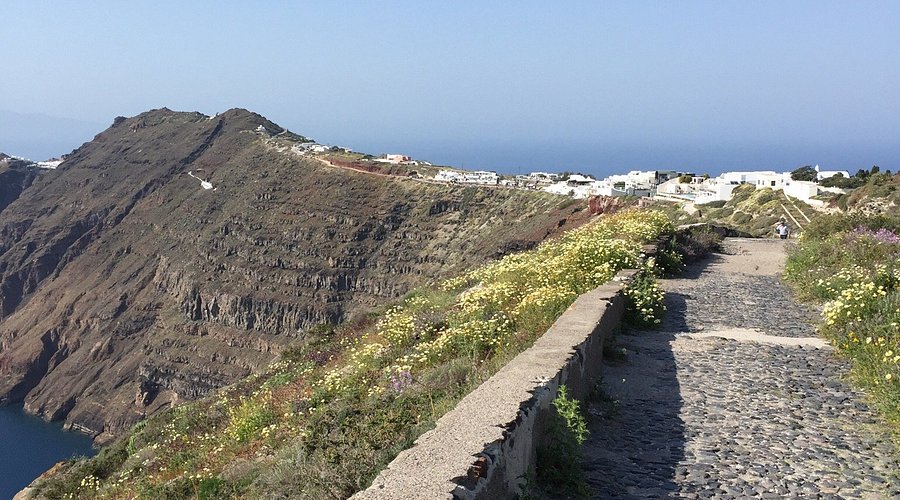
Walking trails link several major towns. The Fira to Oia hike takes about three hours, all along the caldera with views that’ll stop you in your tracks. You’ll stroll through Firostefani and Imerovigli—no parking headaches.
Beach hopping works if you use the bus. Summer routes run to Kamari, Perissa, and Red Beach. Just check the return times so you’re not stuck after dark.
Wine tours with transport included let you sample without worrying about those winding roads. Boat trips to the volcano and hot springs leave from the old port. There’s plenty to do on Santorini without your own wheels, as long as you plan a bit and don’t mind rolling with the schedule.
Frequently Asked Questions
Most visitors wonder about getting around—bus timetables, taxi prices, all that stuff. Here’s what you actually need to know.
What are the best options for public transportation on Santorini?
The KTEL bus system is your main way to get around. All routes start and end at the main Fira station, so you’ll probably have to change buses there to reach different parts of the island.
Tickets cost between 1.60 and 2.20 euros, depending on your stop. You pay on the bus—a ticket seller comes down the aisle as you leave.
Buses work well in shoulder season, but in July or August, they get packed. Sometimes you can’t even get on the first bus that shows up.
The buses do reach all the main towns and beaches—Oia, Kamari, Perissa, even the airport.
Bring cash. The buses are supposed to take cards, but honestly, don’t count on those machines working.
What should one expect when renting a car in Santorini, and are there any insider tips?
Renting a car gives you the most freedom to see the island beyond the crowds. You’ll find rental agencies at the ferry port, airport, and in Fira and Oia.
Roads are pretty good for a Greek island. Most are paved, just a few back roads are gravel.
Parking in Fira and Oia is a pain. Sometimes you spend more time searching for a spot than actually sightseeing.
If you’re coming in high season, book your car early. There aren’t endless rentals, and prices jump when they start to run out.
Some people go for ATVs or scooters. They’re easier to park and squeeze down the narrow lanes, but you’re totally exposed to the sun, which can be brutal in July and August.
How does one navigate from the cruise port to the main attractions in Santorini?
The cruise port sits at the bottom of the caldera, so you have to get up to Fira to start exploring. You’ve got three options.
The cable car is the fastest—three minutes, about 6 euros each way.
You could ride a donkey up the steps, but honestly, that’s controversial these days. Over 500 steep steps, and animal welfare’s a real concern.
If you’re up for it, you can walk those same steps. It’s a sweaty climb, especially in the heat.
Once you’re in Fira, you can catch buses to other towns or grab a taxi. Plenty of cruise passengers book tours that include port pickup, too.
Are taxi services on Santorini affordable, and what are the alternatives for short distances?
Taxis are pricey and tough to find—there are only 25 on the whole island.
No meters, so agree on the fare before you get in. Expect 20-30 euros from the airport to Fira, and 35-40 euros to Oia.
Even short trips can run 30 euros or more. Using taxis as your main way of getting around adds up fast.
For short hops in Fira or Oia, just walk. Both towns are mostly car-free anyway.
The local bus is the budget move for longer trips between towns—under 3 euros a ride.
Some hotels run shuttles to beaches or attractions. Ask when you book; it can save you a chunk of change.
Is it feasible to enjoy a trip to Santorini without a personal vehicle, and how?
You can totally visit Santorini without renting a car, especially if you’re just there for a night or two. Plenty of travelers do this and honestly, it works out fine.
Most folks hang out in Fira and Oia. Both towns are super walkable, and there’s a beautiful hiking trail connecting them—expect to spend about 3 or 4 hours if you want to take it all in.
KTEL buses run between the beaches and villages. They hit all the main places you’d want to check out.
For spots like the Akrotiri archaeological site or wine tasting, just book an organized tour. They’ll sort out the transport, so you don’t have to stress about it.
Taxis come in handy for airport or ferry transfers, especially with luggage. It’s smart to pre-book to skip the hassle of waiting.
If you’re hanging around for more than three days, though, not having your own car might start to feel restrictive. The buses aren’t super flexible, and honestly, taxis get expensive if you use them every day.


