Tour Overview
Leave a Review!
Other Top-Rated Tours in Melbourne
Explore Other Travel Guides & Reviews
Spending a day with Australian wildlife sounds amazing, but trying to coordinate transport between Melbourne, Healesville Sanctuary, and Phillip Island can honestly turn into a headache. Multiple hours on the road, confusing signs, and that nagging feeling you’ll miss the penguin parade at sunset? Not exactly relaxing.
This full-day bus tour takes all that hassle off your plate, rolling two of Victoria’s best wildlife experiences into one smooth trip. You can just sit back, knowing the transport and timing are sorted, and actually enjoy the animals instead of stressing about logistics. The tour starts with a pickup from your Melbourne accommodation, then you’ll get up close with koalas and kangaroos at Healesville Sanctuary before heading to Phillip Island’s wild coastline to watch little penguins waddle home at dusk.
The tour covers all those details that usually make road trips stressful. No rental cars, no GPS drama, no parking nightmares, and you won’t miss the penguins because you got stuck in traffic.
Key Takeaways
- This tour brings together Healesville Sanctuary’s animal encounters with Phillip Island’s coastline and penguin parade—all in a single day
- You skip driving stress with Melbourne hotel pickup, comfy air-conditioned transport, and pre-arranged timing at each spot
- The day includes hands-on wildlife viewing, ocean lookouts at The Nobbies, and reserved seats for the famous penguin parade
Highlights Of The Healesville Sanctuary and Phillip Island Wildlife Park Bus Tour

This tour bundles two of Victoria’s most loved wildlife experiences into one easy day. You’ll meet native animals in settings that feel wild, then catch one of nature’s most charming spectacles at sunset.
Iconic Wildlife Experiences
At Healesville Sanctuary, you’ll find Australia’s most iconic creatures in a bushland setting that feels miles from Melbourne’s busy streets. The sanctuary specializes in native animals you just won’t see anywhere else. Koalas nap in eucalyptus trees, and kangaroos and wallabies hop around open areas where you can wander right alongside them.
The platypus viewing area is a real highlight. Platypuses are famously elusive in the wild, but here, you can actually watch them glide around in a purpose-built habitat. Birds of prey swoop through the air during demonstrations—wedge-tailed eagles and kookaburras showing off their skills.
Later, Phillip Island flips the script with the famous Penguin Parade. After sunset, little penguins return from fishing at sea. They’re the tiniest penguin species, only about 13 inches tall. Watching hundreds of them march up the beach to their burrows is surprisingly moving—one of those things that sticks with you.
Best Times for Visits
Tours usually leave Melbourne early, around 7:30 or 8:00 AM, so you get to Healesville Sanctuary right as it opens. That means fewer crowds and animals that are still lively before the midday heat kicks in.
The penguin parade’s timing changes with the season since it’s all about sunset. In summer (December-February), penguins show up around 8:30 or 9:00 PM, so it’s a long day out. In winter, they arrive earlier—about 5:30 PM—which is easier if you’ve got kids or just don’t want to be out late.
What Sets This Day Tour Apart
Wine Hop and Coastal Tours and similar companies handle all the logistics, so you don’t waste time on maps or parking. The drive is about an hour each way to Healesville, then another 90 minutes to Phillip Island. That’s a lot of mileage you don’t have to worry about.
The coaches are air-conditioned and comfortable, and you get about three hours at Healesville Sanctuary to wander at your own pace. Before the penguin parade, most tours swing by The Nobbies lookout where you might spot fur seals on the rocks. At the end of the day, the bus drops you back at your accommodation—no need to figure out late-night transport.
Healesville Sanctuary: Native Animal Encounters
Healesville Sanctuary sits in the Yarra Valley, about an hour from Melbourne, and it’s where you can get genuinely close to Australia’s most iconic wildlife. The 70-acre bushland setting makes it feel more like a walk in the wild than a typical zoo, and you’ll spot animals here that are tough to see elsewhere.
Kangaroos, Koalas, and More

You can stroll right up to kangaroos at Healesville—they’re surprisingly chill about human visitors. Unlike some zoos where glass or fences separate you, here you’re in their space. Sometimes they just lounge in the grass, and if you’re patient, you’ll get pretty close for photos.
The koalas are another crowd-pleaser, even if they’re usually snoozing. When they’re awake, you’ll notice how deliberate and slow their movements are. The sanctuary also has dingoes, emus, and Tasmanian devils—definitely not animals you’ll bump into on a casual bushwalk back home.
What really sets this place apart is the bushland feel. The animals have space to roam through native vegetation, so you’re basically visiting them in something close to their natural habitat. Sometimes you have to look a bit harder to spot them, but that’s half the fun.
Platypus and Birds of Prey

The platypus viewing area is worth lingering at, even if these shy critters take a bit of patience to spot. Healesville has one of the few successful platypus displays anywhere, and watching them glide underwater is oddly hypnotic. They’re most active during feeding times, so check the schedule when you arrive.
The birds of prey show is a must-see. Wedge-tailed eagles, owls, and other raptors swoop just overhead. The handlers talk about how these birds hunt and survive, and when one flies so close you feel the wind off its wings, you get a real sense of their power.
Live Animal Shows and Presentations
Throughout the day, keepers give talks where they bring out native animals and share stories and facts you won’t find on the signs. These aren’t flashy shows—they’re more like passionate chats about conservation and what these species face in the wild.
The talks move around the sanctuary and focus on different animals. Maybe you’ll watch a wombat amble around while learning about their burrows, or see how reptiles warm themselves in the sun. The keepers genuinely care about their animals, and that comes through in how they share their knowledge.
Exploring Phillip Island Wildlife and Coastal Scenery
Phillip Island packs a punch with wildlife encounters and ocean views that’ll make your Melbourne day trip feel totally worth it. You’ll spot animals in natural settings and walk along some of Victoria’s most dramatic coastline.
Phillip Island Wildlife Park Experience

The animal encounters here go way beyond just peering at creatures from a distance. You’ll see native species in landscapes that actually look like home for them, which makes the whole thing feel more authentic.
At different stops around the island, you might spot wallabies grazing and catch glimpses of all sorts of birds in the coastal scrub. But the real showstopper comes at dusk with the Penguin Parade. Little penguins—only about 33 centimeters tall—emerge from the surf and waddle across the sand to their burrows in the dunes.
It sounds touristy, but it’s genuinely fantastic. The penguins just do their thing, totally unfazed by the crowd, so you get to watch real behavior, not some staged act.
Diverse Native Fauna

Phillip Island isn’t just about penguins. The seal colonies at Seal Rocks are wild—Australia’s biggest fur seal colony lives here, with thousands of seals lounging on the rocks.
You’ll also see seabirds like shearwaters (or mutton birds) that nest in massive colonies. During breeding season, their numbers are almost hard to believe.
Koalas live in the island’s woodlands, though they’re a bit trickier to spot than penguins. If you know where to look, your chances go up. All in all, the mix of marine mammals, seabirds, and land animals makes Phillip Island feel like a mini version of southeastern Australia’s wildlife scene.
Guided Coastal Walks
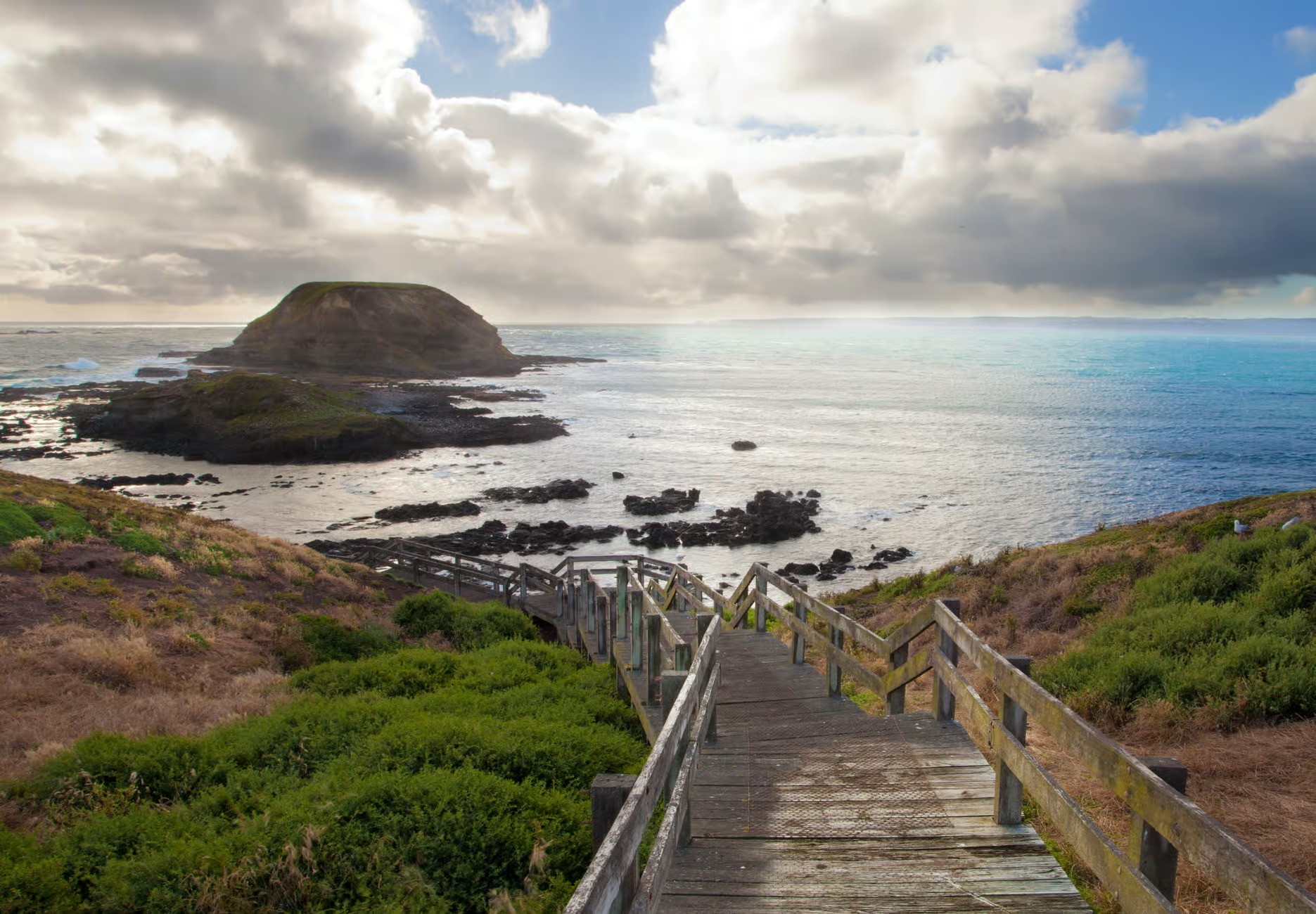
The boardwalks and lookouts at The Nobbies put you right at the edge of some seriously rugged ocean scenery. These elevated paths wind along cliff tops, offering fresh views at every turn.
The walk out to the blowhole is pretty easy—maybe 15-20 minutes if you’re taking your time. Bring a jacket; the wind here doesn’t mess around. On clear days, you can see for miles along the coast.
The paths are well-kept with plenty of viewing spots, so you’ll probably find yourself stopping often, whether it’s for photos or just to take it all in.
The Nobbies: Boardwalks, Seal Rock, and Rugged Ocean Vistas
At Phillip Island’s southwestern tip, The Nobbies drops you right into the wild drama of Bass Strait’s coastline. Fur seals take over the rocky outcrops, and boardwalks wind above pounding surf. It’s just minutes from the Penguin Parade, but it feels like another world where cliffs meet the Southern Ocean.
Nobbies Boardwalk Adventure

The boardwalk runs for about 500 meters along cliff tops that really let you feel the ocean’s energy. Elevated walkways twist around the headland, so the view changes constantly as you move along.
The path takes you right out to the blowhole. When the tide’s up, seawater blasts through the rocks with enough force to make you stop and stare. It’s a reminder of just how relentless the ocean can be.
Here’s a tip: peek underneath the boardwalk. Little penguins sometimes nest in the spaces below, so you might spot them shuffling around even in daylight. The boardwalks are built to protect their homes while letting you get a close look.
The loop takes maybe 20-30 minutes if you’re just walking, but honestly, you’ll want more time for photos and seal watching.
Spectacular Seal Rock

About 1.5 kilometers offshore, Seal Rocks juts out of the Bass Strait—a cluster of dark, jagged islands. This is where you’ll find Australia’s largest fur seal colony, with something like 16,000 seals owning these rocks as their home turf.
You’re not getting close enough to touch them (and honestly, who wants to?), but the boardwalk viewing platforms let you watch them sprawled on the rocks or slicing through the waves. Bring binoculars if you can. The seals go wild in the morning and late afternoon, either chasing fish or heading home after a feed.
Best viewing times:
- Early morning – seals heading out to hunt
- Late afternoon – colony most active
- Winter months – breeding season brings larger numbers
Between May and October, keep your eyes peeled for migrating whales gliding by. Humpbacks and southern right whales cruise this stretch of water as they move between Antarctica and warmer breeding grounds.
Nobbies Tourist Centre Insights
The Nobbies Centre is closed at the moment, so don’t count on grabbing a coffee or checking out any indoor exhibits. The Antarctic Journey attraction that used to run here is also off the cards for now.
Most tours make a quick bathroom stop at the Penguin Parade Visitor Centre instead. It opens at noon and has the basics. It’s maybe five minutes back along the coast by car.
The boardwalks and car park are still open, which is really what you’re here for anyway. Coastal walks and wild wind, not indoor displays. The viewing platforms are all you need to take in the rugged beauty of this windswept corner of Phillip Island.
Phillip Island Penguin Parade: Witness Little Penguins Up Close
The Phillip Island Penguin Parade is home to the world’s largest colony of little penguins. You get to watch these tiny seabirds waddle up from the ocean to their sandy burrows every evening at sunset. There are viewing platforms, boardwalks winding through the colony, and a few ticket options if you want to get closer to the action.
Understanding the Penguin Parade

The penguin parade happens every night of the year at Summerlands Beach, right after sunset. You’re watching a natural ritual that’s been going on for thousands of years—these little penguins spend their days fishing and come home to feed chicks or crash for the night.
The visitor center opens at 12 pm daily (2 pm on Christmas Day). But here’s the thing: you should show up at least an hour before the penguins are expected, especially during peak season from mid-December through January. Penguins don’t arrive on a set schedule—they roll in with their “rafts” throughout the evening.
You’ll need to book ahead. General viewing tickets start at $33 for adults and $16.50 for kids aged 4-15. The tiered seating overlooks the beach, but in summer, seats aren’t guaranteed—sometimes you end up standing.
If you want to splurge, Penguins Plus ($90 for adults) gets you closer to the action, Underground Viewing ($100) puts you behind glass as penguins waddle past, and the Ultimate Adventure Tour ($125) takes you to a quieter stretch of beach away from the crowds.
Little Penguins Habitat
Little penguins are the smallest penguin species on the planet, just 13 inches (33 cm) tall. Around 40,000 of them call the Summerlands Peninsula home, living in burrows scattered throughout the dunes. This is their permanent address, not just a pit stop.
After watching the penguins arrive on the beach, you’ll walk through the colony itself. You can spot burrows dug into sandy dunes, catch that unmistakable penguin smell, and hear them calling out to their mates. The 1.8 km boardwalk lets you explore without trampling their habitat.
What really stands out here is the conservation turnaround behind it all. The whole peninsula was once packed with beach houses. Every single one was bought and removed to bring back the penguin habitat. It’s honestly one of Australia’s most impressive wildlife conservation wins.
Keep an eye out for other critters too. Swamp wallabies, eastern barred bandicoots, and Cape Barren geese all hang out here with the penguins.
Tips for the Best Viewing
No photography or filming is allowed during the penguin parade—camera flashes and phone screens mess with the penguins and might even drive them away from their burrows. Staff enforce this rule, and if you break it, you’re out.
Dress warmly, even in summer. The beach gets cold and windy after sunset, and you’ll be sitting outside for half an hour or longer waiting for the penguins. Layers are your friend since the visitor center is heated but the viewing areas definitely aren’t.
The place is totally cashless—bring a contactless card for food, drinks, or souvenirs. Parking is free, and the drive from Melbourne takes about 90 minutes, plus another 20 from the bridge to the parade entrance.
If you’re coming during school holidays or long weekends, expect traffic. Leave extra time and always pre-book—tickets sell out fast during busy periods. Phillip Island is best reached by car, and public transport won’t get you back to Melbourne after the show wraps up at night.
Getting There: Tour Logistics and What To Expect

The tour leaves from Melbourne’s CBD with handy pickup options, runs for about 11 hours, and the bus has air con and Wi-Fi. Knowing the basics helps you plan your day and pack smart for the long day ahead.
Departure Locations and Transfers
Your day kicks off with a pickup from Melbourne’s central business district around 10:00 am. Wine Hop and Coastal Tours handles this route, collecting everyone from a set meeting spot in the CBD. Most operators don’t do hotel pickups for this tour, so you’ll need to get yourself to the departure point.
The first leg is about an hour to Healesville Sanctuary. It’s not as far as the Great Ocean Road, but grab breakfast before you board—the bus doesn’t serve food. Some people mention the roads to Phillip Island get a bit bumpy later in the day, so if you get motion sick, maybe pack something for that.
Arrive at least 15 minutes early to the meeting spot. The buses can fit up to 240 travelers, but most aren’t full.
Duration and Daily Schedule
Block out 11 hours for this day trip. You’ll get about four hours at Healesville Sanctuary, which gives you enough time to see the koalas, kangaroos, and even platypuses without rushing. The sanctuary part is pretty chill—you can grab lunch there if you didn’t pack anything.
After Healesville, the group heads to the Nobbies Centre on Phillip Island for roughly three hours. That covers the boardwalks and seal spotting at Seal Rock. Last stop is the Penguin Parade, with around three hours including dinner time. The penguins usually show up at sunset, and you’ll watch from the viewing platforms.
The ride back to Melbourne is about an hour, so expect to get back to the city around 9:00 pm or later, depending on traffic.
On-Bus Comforts and Amenities
The coach has climate control and free Wi-Fi, which is handy for sharing photos or catching up on messages. Seats are standard tour bus style—fine for the trip, but don’t expect anything fancy. If you’re planning to nap, a neck pillow helps.
No food service on board, but you can bring your own snacks and drinks. The bus stops for restrooms at each major attraction, but there’s no bathroom on the vehicle itself. Not all coaches have USB charging ports, so bring a portable charger if your phone battery doesn’t last long.
Your guide sits up front, sharing commentary along the way and pointing out wildlife when they spot it. They’re usually good at managing timing at each stop and keeping everyone in the loop.
Frequently Asked Questions
Planning a combined tour to these two wildlife spots brings up all sorts of questions about timing, what you’ll actually see, and little extras that can make the trip more memorable.
What unique wildlife encounters can one experience at Healesville Sanctuary?
You can get up close to platypuses, which is pretty rare—these shy animals are tough to spot in the wild. The sanctuary has special viewing areas where you can watch them swim and dive.
The birds of prey shows are a highlight. You get to see wedge-tailed eagles, owls, and other raptors show off their hunting skills. These run at set times during the day.
Walking through the kangaroo and wallaby zones lets you get surprisingly close to these Aussie icons. They’re used to people and often just lounge near the paths. The koala viewing areas are set up so you can see them at eye level without bothering them.
Can visitors participate in feeding sessions or animal encounters on the Phillip Island Wildlife Park bus tour?
The regular bus tour doesn’t include hands-on feeding sessions at Phillip Island Wildlife Park. Most tours are all about the Penguin Parade viewing, which happens naturally at sunset and doesn’t involve direct interaction.
At Healesville Sanctuary, you might get closer encounters depending on what’s offered that day. Some activities cost extra and need booking ahead.
The Penguin Parade is strictly look-but-don’t-touch to protect the little penguins. You’ll watch from viewing platforms as they waddle up from the ocean.
What amenities are available for families with children at both wildlife parks?
Both places have clean bathrooms and baby change rooms scattered around. Healesville Sanctuary is especially family-friendly with stroller-friendly paths, though a few areas are a bit hilly.
You’ll find cafes and picnic spots at both sites where kids can take a breather. The Phillip Island Nature Parks visitor center has a gift shop loaded with penguin-themed souvenirs—kids usually love it.
Healesville has shaded rest areas, which are a relief on hot days. But honestly, you’ll do a fair bit of walking at both parks, so comfy shoes for everyone are a must.
What are the best times to visit Healesville Sanctuary and Phillip Island to avoid the crowds?
Weekdays outside school holidays are your best shot at a quieter Healesville Sanctuary. The place gets busiest from 11am to 2pm, so arriving early pays off.
At Phillip Island, crowds are kind of unavoidable at the Penguin Parade since everyone turns up at sunset. Winter (June–August) is less crowded than summer, though it’s chillier.
Penguin viewing times shift with the seasons since they come ashore at dusk. Check the sunset time for your date—arriving too early means a long wait.
Are there guided tours available at Healesville Sanctuary, and how do they enhance the visit?
Healesville runs keeper talks and presentations throughout the day instead of full guided tours. These talks happen at certain animal exhibits and give you a behind-the-scenes look at animal behavior and conservation work.
The keeper presentations are included in your entry. They’re usually 15–20 minutes and packed with info. You’ll pick up things about Aussie wildlife you wouldn’t get just reading the signs.
Some bus tours have a guide who gives info during the drive, but you explore Healesville on your own once you arrive. That means you can linger at the exhibits that interest you most.
Does Phillip Island Wildlife Park offer nighttime tours to see the penguins, and should these be booked in advance?
The Penguin Parade at Phillip Island rolls out every evening at sunset, all year round. It’s not really a “nighttime tour” in the strict sense—it’s more this amazing natural event where the little penguins waddle back after a long day fishing at sea.
Honestly, booking ahead is a smart move, especially if you’re thinking about visiting between December and February. The viewing platforms don’t fit huge crowds, and tickets can disappear days before.
Most bus tours from Melbourne bundle the Penguin Parade viewing into their package, so once you grab your spot on the tour, you’re set. If you’re heading out on your own, booking online first is just easier—and saves you from showing up and missing out.