Tour Overview
About
- E-Ticket
- 30 per person
Experience this amazing tour. Discover the local sights and sounds with our guided experience. Perfect for all types of travelers.
Key Features
Sightseeing, Local Guide
Leave a Review!
Other Top-Rated Tours in Munich
Explore Other Travel Guides & Reviews
Munich Hop-On Hop-Off Bus Tour 48-Hour Ticket Overview
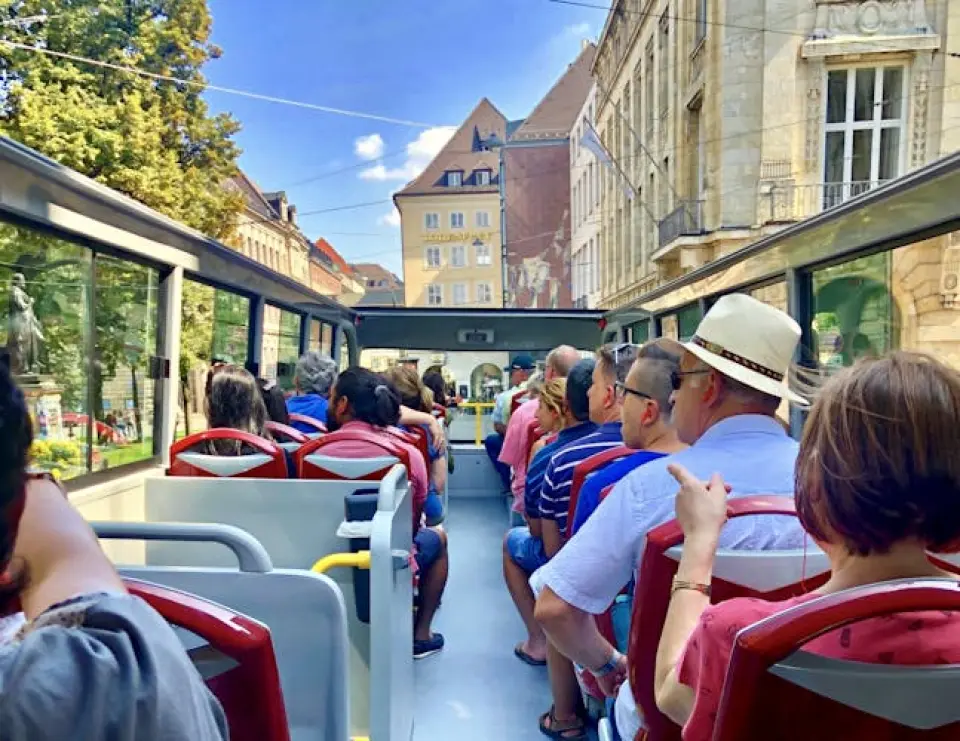
The 48-hour ticket gives you two full days to roam Munich’s best attractions from the comfort of a double-decker bus. With access to multiple routes, you can see everything from the historic city center to landmarks like Nymphenburg Palace and Olympic Park without worrying about transport logistics.
What the 48-Hour Ticket Includes
Your ticket gives you unlimited rides on both the Green and Orange lines for 48 hours from your first boarding. The Green line loops through Munich’s city center, stopping at Marienplatz, the Kunstareal art district, and the Eisbach wave where you might catch surfers—yes, even in winter.
The Orange line heads out to places like Nymphenburg Palace, BMW Welt and Museum, Olympic Park, and Schwabing. Buses show up every 20 to 30 minutes, so you won’t be left hanging if you hop off somewhere.
There’s a free audio guide in 9 languages—German, English, Italian, Spanish, Chinese, Japanese, Russian, Portuguese, and French. When you show your booking confirmation at the Tourist Information office at Marienplatz, you also get a free city map and half off the official city guide. Not bad.
How the Hop-On Hop-Off System Works
It’s simple enough. Board at any of the 11 stops around Munich starting at 10 am (last departures change with the season—5 pm in regular months, 3 pm from October 20th).
Show your QR code ticket to the driver. Don’t try to use your credit card receipt—it won’t fly. Have the actual ticket ready, either on your phone or printed out.
Ride as long as you like. If something grabs your attention, hop off and wander. When you’re ready to keep moving, just wait at the stop for the next open-top bus. The full Grand Circle route takes about 2.5 hours if you don’t get off at all, but honestly, who’s doing that?
Main Benefits of the 48-Hour Pass
The best part about the 48-hour pass is the freedom. Two days means you can slow down and actually enjoy each stop. Maybe you want to hang out at Nymphenburg Palace for a while or take your time with a beer in Schwabing—go for it. No need to rush.
Weather not cooperating? No problem—you’ve got another day. Munich’s packed with things to see, and squeezing in Viktualienmarkt, the Hofbräuhaus, three Pinakothek museums, and Olympic Park in just one day is, well, a stretch.
Double-decker buses give you killer views from the top. If the weather turns, you can duck downstairs to the covered seating. So, rain or shine, you’re set.
Routes and Major Landmarks Covered
Munich’s hop-on hop-off system runs two routes that together cover the city’s main sights, from royal palaces to modern Olympic venues. Stops are close to major attractions, so you can wander from food markets to art museums without much hassle.
Green and Orange Line Highlights
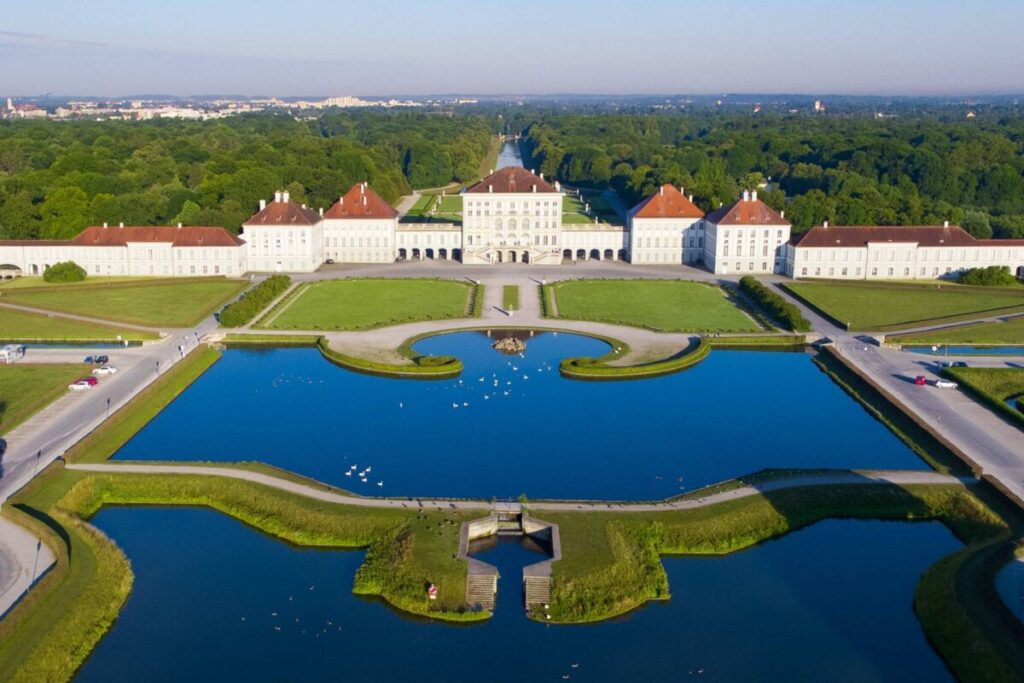
The two main routes split Munich\’s attractions in a way that actually fits how most people want to explore. The Green Line goes through the historic center and out to Nymphenburg Palace, with stops at Marienplatz, Odeonsplatz, and the Kunstareal museum district.
The Orange Line heads north to Olympiapark and BMW World & Museum—a great side trip if you’re into cars or like modern architecture. Both lines stop at Karlsplatz (locals call it Stachus), which is where you can switch between routes.
Buses run every 30 minutes on each line during peak season. Grab a route map when you board—some stops are seasonal or get added for special events, and it can get a little confusing.
Convenient Starting Points
Most folks start at Marienplatz since it’s the center of everything, but you can hop on at any stop along either route. Karlsplatz is another good choice because both lines meet there and you’re right at the edge of the old town.
If you’re staying near the main train station, the stop at Foto-Annahme gets you on board fast. You really can start anywhere. Your 48-hour ticket kicks in the moment you board, not when you buy it.
Explore Munich’s Iconic Squares
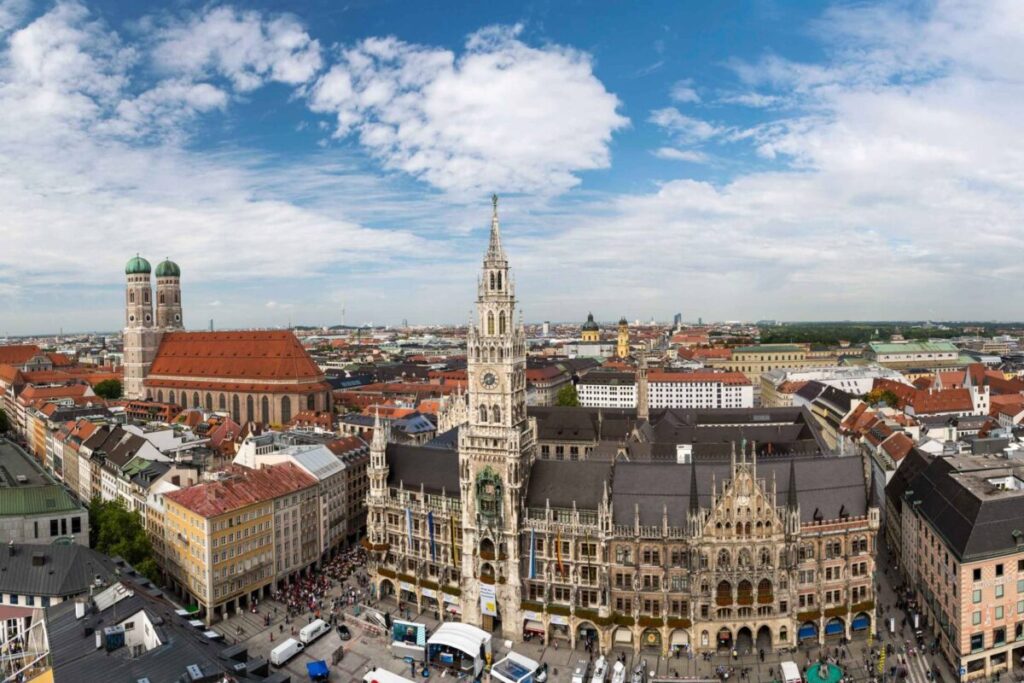
The Green Line hits Munich’s three most important squares. Marienplatz is where the famous Glockenspiel does its thing at 11am and noon (plus 5pm in summer). Viktualienmarkt food market is just a block south and totally deserves at least an hour of your time.
Odeonsplatz gives you the Theatine Church and Feldherrnhalle, and it’s your gateway to the English Garden, where you can watch surfers on the Eisbach wave. Max-Joseph-Platz puts you at the National Theatre and Residenz palace. You can walk between these, but the bus is a lifesaver if your feet get tired.
Museum District Route
The Kunstareal stop on the Green Line drops you in Munich’s art district. You’ve got the three Pinakotheken museums—Alte, Neue, and Moderne—each with its own vibe and era.
The Deutsches Museum has its own stop and honestly needs most of a day if you’re into science and tech. It’s huge—almost too much.
BMW Museum takes about two hours, and you can book a factory tour if you want. The museum district routing is genuinely smart because these places eat up time and walking between them isn’t fun.
Top Sights and Attractions Accessible with the Tour
The 48-hour ticket gets you to Munich’s best landmarks across two bus routes, from palaces and Olympic grounds to lively markets and museums. Stops are close to the big attractions, so you can explore at your own pace.
Nymphenburg Palace and Park
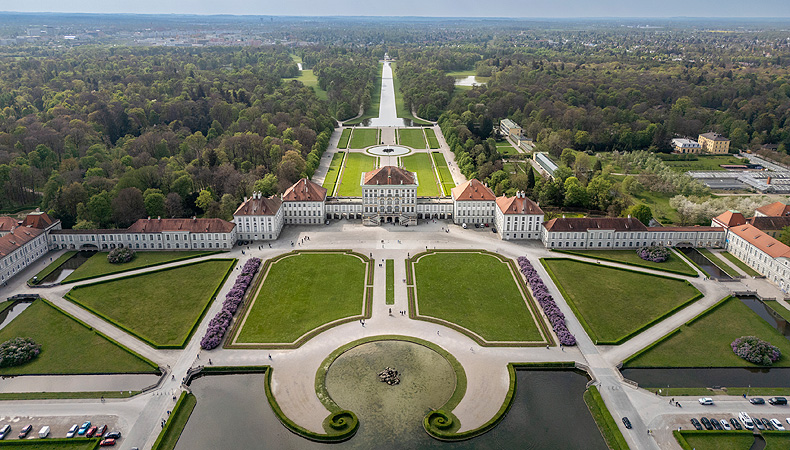
This baroque palace sits on the Orange Line and deserves at least a couple hours. The Wittelsbachs built it for summer, and you can see why. The palace feels grand but somehow still lived-in, not sterile like some museum spaces.
The park behind the palace is where it really shines. There are lakes, hidden pavilions, endless tree-lined paths. The Amalienburg hunting lodge—tucked away in the grounds—has a Hall of Mirrors that honestly rivals Versailles. No kidding.
Try to visit in the morning. The tour buses stop right at the entrance, which saves you a long walk from the metro. Garden access is free, even if you skip the palace interior.
Olympiapark and BMW World & Museum
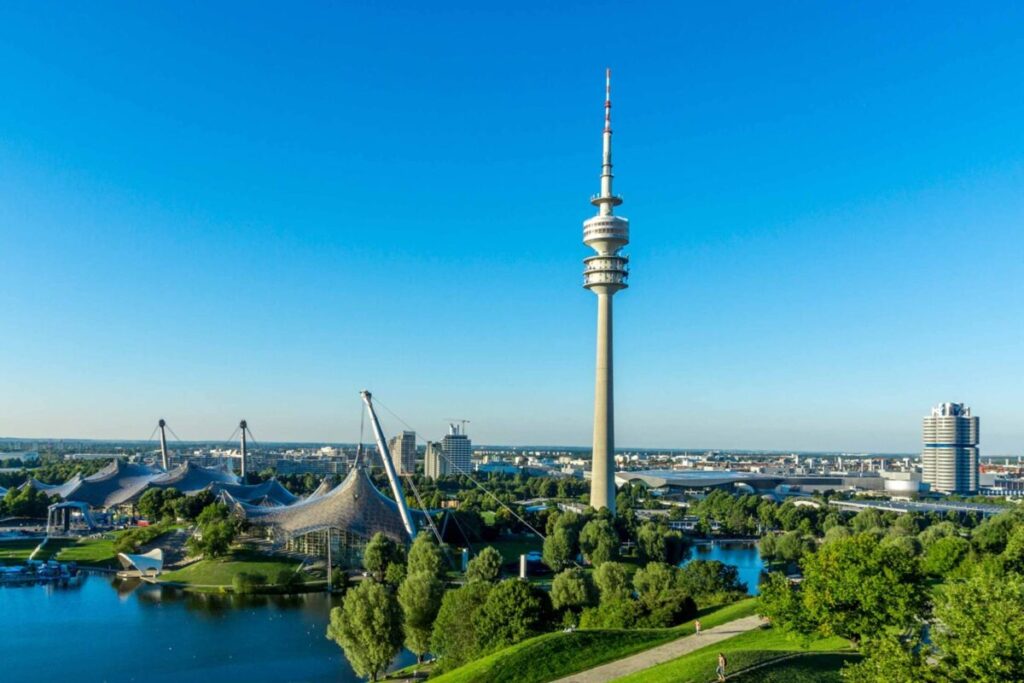
The Orange Line drops you right at this modern side of Munich. Olympiapark was built for the 1972 Olympics, and the architecture still feels futuristic. That tent-like stadium roof is unmistakable.
You can wander the park for free or take the elevator up the Olympic Tower for city views—on a clear day, you might even spot the Alps. The park hosts concerts and events all year, so check the schedule if you’re curious.
BMW World is next door and worth a look even if you’re not a car fanatic. The building is all curves and glass, and inside you can see concept cars and people picking up their new BMWs. The BMW Museum costs extra but gives you a look at the company’s history and some pretty cool vintage cars.
Marienplatz, Viktualienmarkt, and Hofbräuhaus
Marienplatz is Munich’s heart and sits on the Green Line. The New Town Hall dominates the square, and the Glockenspiel does its show twice a day (three times in summer). Show up at 11am or noon to catch it—yes, it’s crowded, but it’s a must-see at least once.
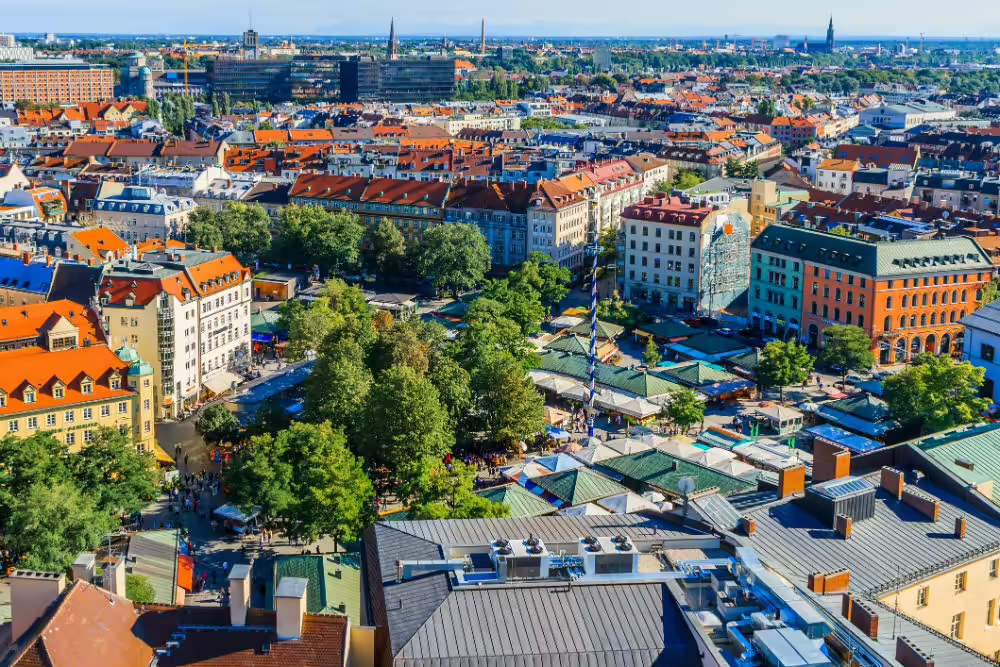
Walk five minutes south and you’re at Viktualienmarkt, the city’s main food market since 1807. This place isn’t just for tourists—locals shop here for produce, cheese, and snacks. Grab a leberkäse sandwich and find a seat at the beer garden in the middle.
Hofbräuhaus is a few blocks northeast of Marienplatz. Sure, it’s touristy, but it’s also the real deal—a beer hall that’s been around since 1589. The place gets loud and lively, especially in the evening. Order a liter of beer and some pretzels, and just enjoy the chaos. The buses stop close enough that you can work it into your route easily.
Cultural Landmarks: Museums and Kunstareal
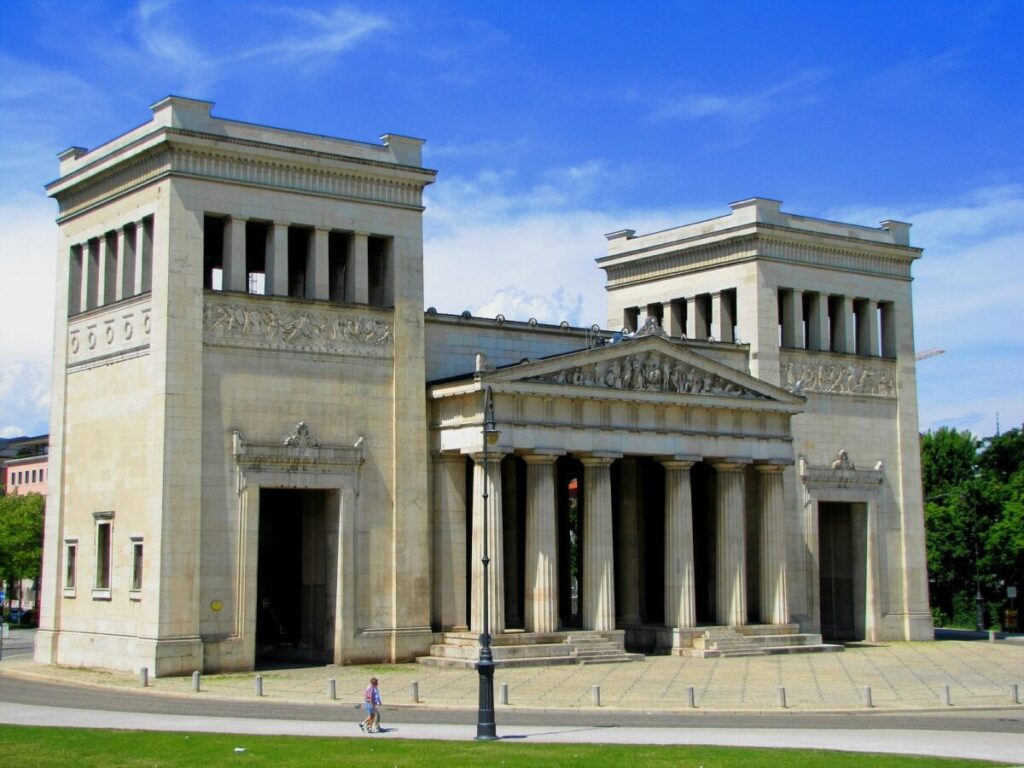
Munich’s museum quarter, the Kunstareal, puts several top museums within walking distance. The Green Line stops at Max-Joseph-Platz, so you’re in the right zone for a culture fix.
The three Pinakotheken galleries cover art from medieval times to today. Alte Pinakothek has Old Masters—think Rubens and Dürer. Neue Pinakothek picks up with 19th-century works, and Pinakothek der Moderne covers the last hundred years or so. You could spend days here, but even a quick stop at one adds something to your trip.
The Deutsches Museum sits on an island in the Isar River, reachable from the Green Line. It’s one of the world’s biggest science and tech museums. Heads up: parts have been under renovation, so check what’s open before you go. The aviation and maritime sections alone are worth a look.
Onboard Features and Services
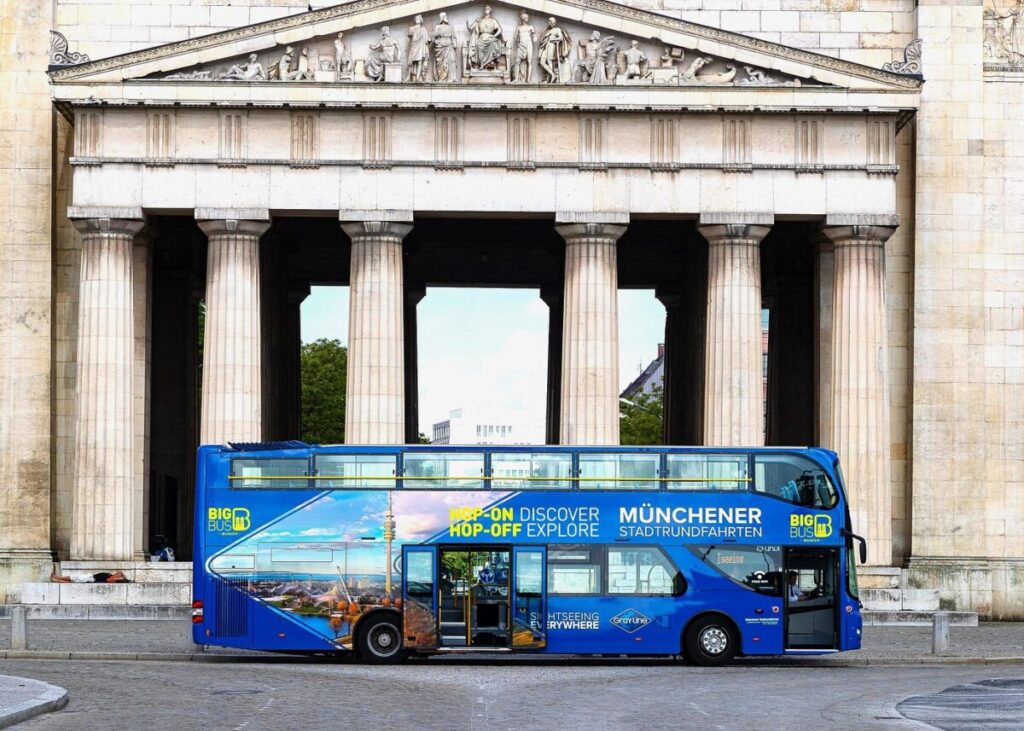
Munich’s hop-on hop-off buses have plenty of features to make sightseeing easier. You’ll get audio guides in several languages, free WiFi, and comfy seats on the open-top double-deckers. It’s not fancy, but it’s a solid way to get around and actually see the city.
Audio Guide and Multilingual Commentary
Your ticket gives you access to an audio guide with pre-recorded commentary about Munich’s landmarks and history as you travel between stops. The guide comes in 10 languages—German, English, French, Italian, Spanish, Portuguese, Russian, Chinese, and Japanese.
When you board, you’ll get your own set of headphones. The audio starts up automatically as the bus nears each landmark, so you don’t have to fiddle with buttons or worry about missing anything. GPS triggers the right info at the right time.
The commentary covers everything from Marienplatz and its famous Glockenspiel to the history of Bavarian beer culture. You’ll hear facts about when buildings went up, who lived where, and why certain places matter to Munich’s story.
Onboard WiFi and Accessibility
All buses offer free WiFi, though sometimes the connection can be spotty depending on where you are in the city. Once you’re seated, just look for the network name—usually posted near the stairs—and connect.
Staff members onboard are happy to answer questions or help you figure out which stop is best for your plans. Most buses are wheelchair accessible, but the open-top upper deck does require stairs. If you stay on the lower level, you’ll still get the audio guide, just without the panoramic views.
Comfort and Bus Facilities
The open-top upper deck is where you’ll find the best views, but Munich weather can turn on a dime. In winter or rain, the lower deck has a roof and windows. Some buses have removable covers up top for light rain, but don’t count on staying totally dry if the weather gets wild.
Seats on the upper deck are decent for the ride, though not super cushy. The front rows offer the best views, but they fill up fast at busy stops like Marienplatz. Honestly, if you want a prime seat, waiting for the next bus can be worth it since they come pretty often.
Tour Schedule, Frequency, and Flexibility

The 48-hour Munich hop-on hop-off ticket gives you plenty of freedom to explore the city your way. Buses run all day with regular departures, so you decide when and where to get off.
Bus Departure Times and Frequency
Most routes get rolling at 10:00 AM from main spots like Karlsplatz/Stachus or Hauptbahnhof. The last buses usually head out between 4:00 PM and 5:00 PM, with times shifting a bit depending on the season and route.
Buses show up every 15 to 30 minutes on busy routes like the Red Line (City Tour), which covers Old Town, Odeonsplatz, and Marienplatz. Other lines come every 30 minutes, while specialty routes like the Blue Line (Schwabing Tour) are less frequent—every 2 hours in winter, hourly in summer.
This schedule means you can hop off for lunch or check out a museum without stressing about missing the next bus. Just watch the last departure times—they sneak up faster than you think, so give yourself time if you want to do a full loop.
Validity and Duration of the Pass
Your 48-hour ticket starts ticking from the moment you board your first bus—not when you buy it. So, if you hop on at 2:00 PM Thursday, you’re good until 2:00 PM Saturday.
The ticket covers consecutive calendar days, so you get real flexibility. You can use it on multiple routes—maybe the Green and Orange lines from one company or the Red, Purple, and Blue from another. Some passes include every route, while basic ones stick to one or two lines.
The 48-hour option is great if you’re in Munich for a weekend and want to skip buying single transit tickets. You get unlimited rides during that window, so hop on and off as much as you want—no counting stops or worrying about extra fees.
Flexible Cancellation and Booking Policies
You can cancel most Munich hop-on hop-off tickets up to 24 hours before your scheduled start time and get a full refund. No hoops to jump through, no weird penalties.
This refund policy makes booking ahead a lot less stressful. If the weather turns or your plans shift, just cancel a day early and you’re set. Some tickets even stay valid for 12 months after purchase, so you’ve got plenty of wiggle room.
One thing to keep in mind—on FC Bayern match days, tours with the Allianz Arena might get cancelled last minute. You’ll get your money back, but it’s smart to check the football schedule if that’s a must-see stop for you.
Tips for Maximizing Your 48-Hour Ticket Experience
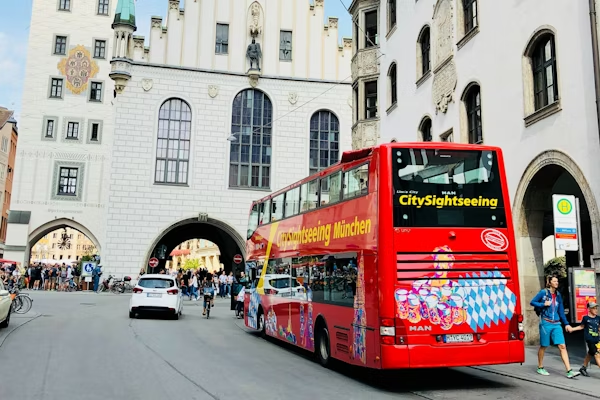
The 48-hour ticket gives you enough time to see Munich properly, but a little planning helps you hit the highlights and find a few hidden gems. Some advance planning mixed with flexibility on the ground can turn a good trip into a really great one.
Planning Your Route Efficiently
Take a look at the bus route map before your first day. Buses usually run three main routes linking Munich’s big attractions, with stops every 15-20 minutes depending on traffic. Try to group nearby sights together instead of bouncing all over the city.
If you’re up early, mornings before 10 AM are golden. Buses are quieter, and you’ll have a better shot at snagging a front-row seat for photos. Big attractions like Nymphenburg Palace and the BMW Museum open early, so you can knock out major stops while you’re still fresh.
Download an offline map of the routes to your phone. The bus WiFi is handy, but don’t rely on it for directions. I’ve been burned by spotty connections before, and having a backup map really saves you some hassle.
Group attractions by neighborhood—hit Marienplatz, St Peter’s Church, and the Jewish Museum together since they’re close. Then use the bus to jump out to places like the Olympic Grounds or Nymphenburg Palace instead of trekking across town on foot.
Making the Most of Each Stop
Don’t try to see everything at every stop. Pick a couple of attractions that actually interest you instead of rushing through five just to say you did. Forty-eight hours sounds like a lot until you realize how much there is to do.
Budget your time based on what you care about. Nymphenburg Palace? You’ll want at least 90 minutes if you’re seeing both the inside and gardens. Marienplatz? You can catch the Glockenspiel and soak up the vibe in about 30-40 minutes if you’re not shopping.
The audio guides on the bus are actually pretty decent between stops. They give you context and sometimes mention cool, lesser-known spots. But don’t feel like you have to listen the whole time—sometimes just watching the city roll by is the best part.
Pack snacks and water. Sure, museum cafes and beer gardens are fun, but they can eat into your sightseeing time. A quick pretzel on a bench can mean more time for exploring.
Suggested Itineraries for Two Days
Day One: Focus on Munich’s historic core. Start at Marienplatz around 9 AM to see the Glockenspiel at 11. Walk to St Peter’s Church and climb the tower for the view (all 299 steps are worth it). Then jump on the bus to Nymphenburg Palace for the afternoon, and head back to the center for dinner in a traditional beer hall.
Day Two: Go for the modern and artsy side. Begin at BMW World and the museum—even if you’re not a car person, the building is wild. Head to the Olympic Grounds for a stroll where history happened in 1972. Spend your afternoon bouncing between neighborhoods you missed, maybe checking out the Frauenkirche or the Opera House area.
But honestly, leave some space for surprises. If something catches your eye through the bus window, hop off and check it out. That’s the beauty of these tickets—you’re in charge of your own schedule.
Where and How to Buy Munich Hop-On Hop-Off Bus Tour Tickets
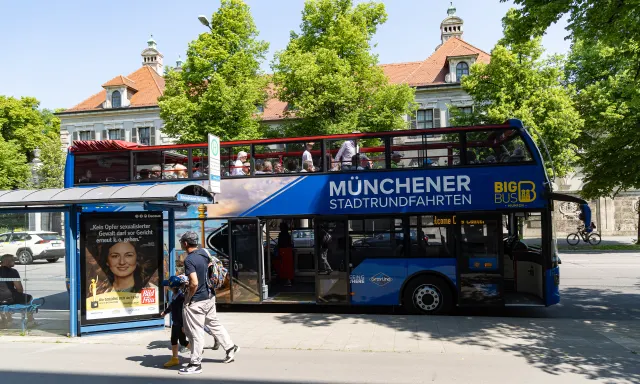
You’ve got a few ways to buy tickets for your Munich hop-on hop-off adventure—book online before you go, or just grab one from the driver. It really depends on how you like to travel and whether you want to lock in your plans or keep things flexible.
Official Ticket Outlets and Online Booking
Booking your 48-hour Big Bus ticket online usually gets you the best deal. Tickets start around €34.78 online, compared to the full €37.00 if you buy in person.
The main perk? You skip the lines. Once you’ve got your digital ticket, just hop on at any stop—no need to stand around at a ticket booth. You’ll pick your start date when booking, and your 48 hours begin when you first board.
Most booking platforms let you buy Munich hop-on hop-off bus tickets in advance. They show real-time availability and often let you change your dates for free. Tickets go straight to your email, so nothing physical to keep track of.
Booking at Bus Stops and Tourist Offices
If booking online isn’t your thing, just buy tickets on the spot. Drivers sell them directly, though you might pay the full rate instead of getting that online discount.
You’ll find physical ticket outlets at Marienplatz and Karlsplatz/Stachus. The main starting point at Stop #1 (on Sonnenstraße by BUDDY Hotel) has staff to help you figure out the routes.
The Munich tourist office sells bus tour tickets as well. Many hotels carry them too, which is handy if you’re staying central. Just ask your hotel concierge if they have Big Bus tickets before you head out.
Choosing the Right Ticket Option
Your choice depends on how much of Munich you want to cover. The 48-hour ticket gives you access to both the Green Line and Orange Line, while the cheaper 24-hour option just covers the Green Line city center.
Think about your plans before you decide. The Green Line hits the big sights like Marienplatz, Oper, and Stachus. The Orange Line adds Nymphenburg Palace, Olympiapark, and Schwabing to your tour.
Ticket includes:
- Pre-recorded audio commentary in 9 languages
- Unlimited hopping on and off at all stops
- Access to route lines based on your ticket type
- Free date changes if you book online
Buses run daily, but frequency varies by route. Check the service info pages for each line before you pick your ticket duration.
Frequently Asked Questions
People planning to use the Munich Hop-On Hop-Off bus service usually want to know about ticket prices, how often buses come to each stop, and how long it takes to do a full loop of the city.
What are the ticket prices for the 48-hour Hop-On Hop-Off Bus Tour in Munich?
A 48-hour ticket for the Big Bus Munich Hop-On Hop-Off tour starts at €46 per person. That covers two full days to wander Munich however you like.
Children ages 4 to 14 can travel with a discounted child ticket, while kids under 4 ride free—pretty handy if you’re bringing the family. Just a heads up, though: every child 14 or under has to be with an adult on the bus.
If you’ve got a big group—say, 15 people or more—there’s a group discount available. You’ll need to buy those tickets in person from the staff at Stop #1 at Karlsplatz/Stachus. No option to book online for groups, which is a bit old-school, but there it is.
How frequently do the buses run on the Munich Hop-On Hop-Off tour?
Buses swing by about every 20 minutes at each stop. You probably won’t have to wait long if you jump off to check something out.
The service runs every day, all year. Sure, extreme weather or a big city event could throw things off, but that’s pretty rare.
It’s a good idea to check their website for any last-minute updates before you set out. And honestly, with these frequent departures, planning your day feels pretty relaxed—you don’t have to stress about catching a particular bus.
How long is the duration of a full circuit on the Munich Hop-On Hop-Off bus without disembarking?
The tour runs on two routes, each with a different length. The Green Line usually takes about 60 minutes to do the full loop if you stay on board the whole time.
The Orange Line is a bit longer—plan on roughly 80 minutes for the entire circuit. That one swings by spots like Nymphenburg Palace, BMW World, and Olympiapark.
Of course, these times might shift a little depending on traffic or if there’s a random road closure somewhere in Munich. And if you’re actually hopping on and off at different stops (which, let’s be honest, is half the fun), you’ll want to give yourself more time to see everything.
Key Highlights & Inclusions
- ✓ Sightseeing
- ✓ Local Guide